Medication Rash Treatment: A Comprehensive Guide
Learn how to identify and manage medication rashes with our comprehensive guide on effective treatments and prevention strategies.
Estimated reading time: 7 minutes
Key Takeaways
- Early recognition of drug-induced rashes can prevent severe complications.
- Stopping or adjusting the offending medication is the first and most crucial step.
- Over-the-counter and prescription treatments can relieve symptoms and support recovery.
- Prevention through medical history review and genetic testing reduces risk.
- Seek immediate medical attention for signs of serious cutaneous adverse reactions.
Table of Contents
- Introduction
- Recognizing Medication-Induced Rashes
- Causes and Risk Factors
- Medications commonly linked to rashes
- Risk factors that predispose individuals
- Management and Treatment Options
- Stopping or adjusting the medication
- OTC treatments for mild reactions
- Prescription & advanced treatments
- Home care & supportive self-care
- When to seek professional medical advice
- Follow-up & monitoring
- Prevention and Further Guidance
- Strategies to help prevent medication-induced rashes
- Consult a professional before stopping or changing medication
- Resources for further reading and self-help
- Conclusion
- FAQ
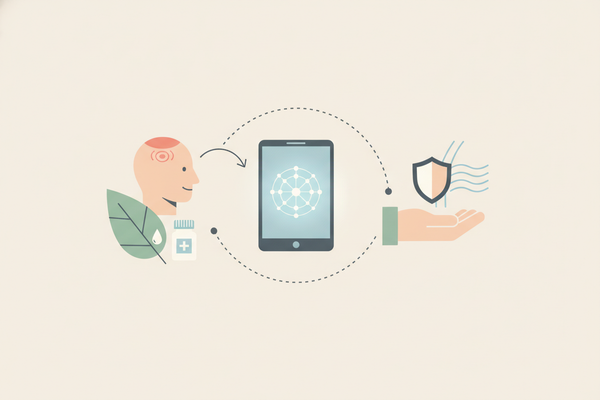
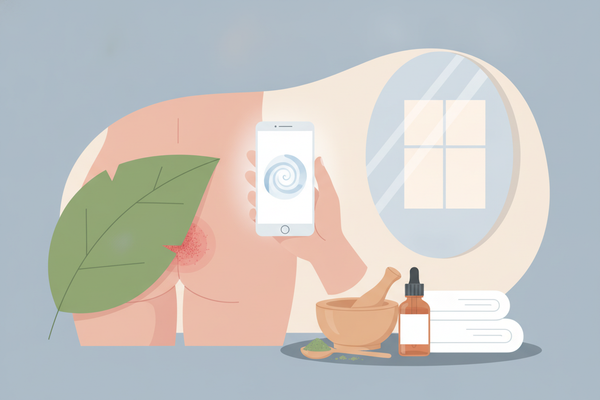
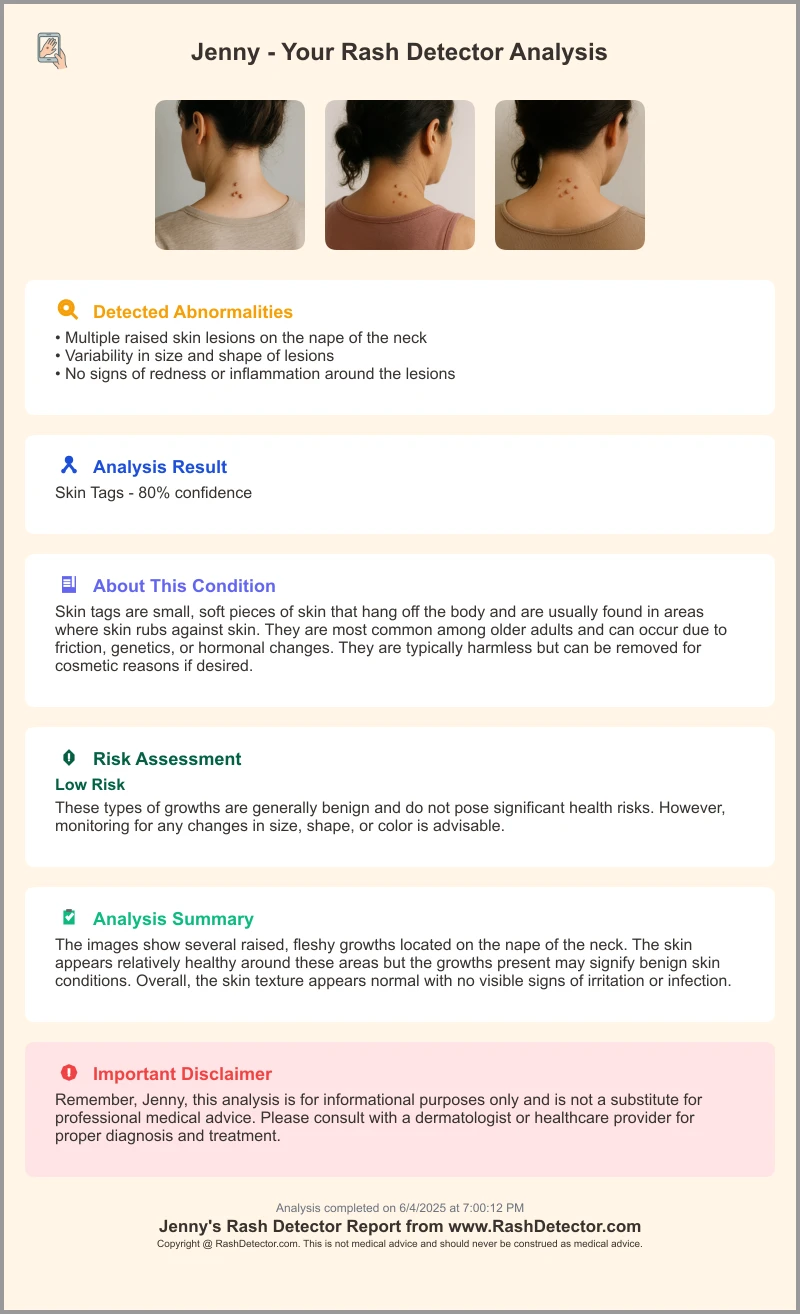
Medication rash treatment begins with understanding what a medication rash is. A medication rash is a skin reaction triggered by a prescription, over-the-counter drug, or supplement. It often reflects an immune response but may arise through non-allergic mechanisms. For a quick, personalized evaluation of your rash, try the Rash Detector AI Skin Analysis App. Upload three images of your rash and get an AI-driven sample report instantly.
Recognizing Medication-Induced Rashes
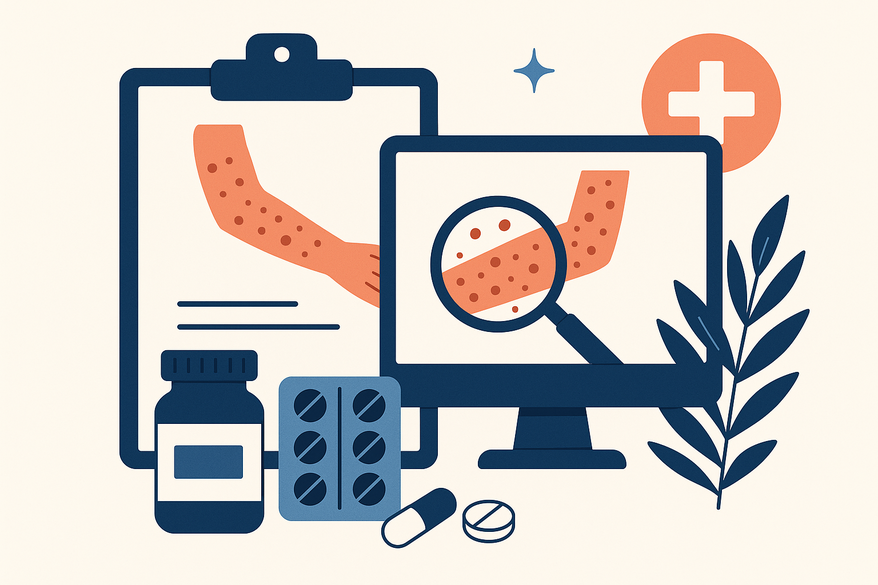
Medication-induced rashes—or drug eruptions—can present in several ways. Early recognition supports prompt intervention. Common patterns include:
- Morbilliform (measles-like) rash: red, flat or slightly raised spots that often spread from the trunk outward.
- Urticaria (hives): raised, itchy welts that migrate over hours.
- Itching (pruritus) and swelling of skin, lips, or eyelids.
- Blistering or peeling in severe reactions.
- Timing variations: immediate (minutes to hours) or delayed (days to weeks).
Systemic “red flags” indicating serious cutaneous adverse reactions (SCAR) include fever, fatigue, mucosal sores, and respiratory symptoms. For additional detail on early signs and symptom patterns, see identifying drug-induced rash symptoms.
Causes and Risk Factors
Medications commonly linked to rashes
Some drug classes carry a higher risk of rash: antibiotics (penicillins, sulfonamides), anticonvulsants (carbamazepine, lamotrigine), allopurinol, NSAIDs, antivirals, chemotherapy agents, and contrast dyes. High-risk drugs for SJS/TEN include certain anticonvulsants, allopurinol, and sulfa antibiotics.
Risk factors that predispose individuals
- Personal or family history of drug allergies
- High doses or rapid escalation
- Polypharmacy and viral infections (e.g., amoxicillin in mononucleosis)
- Genetic predisposition (specific HLA types)
- Comorbidities such as HIV or autoimmune diseases
Management and Treatment Options
The cornerstone of medication rash treatment is stopping the offending drug plus symptom relief and supportive care.
Stopping or adjusting the medication
- Rashes often resolve 1–2 weeks after discontinuation; full recovery may take longer.
- Abrupt cessation of some drugs can be dangerous—always follow clinician guidance.
- Consider switching to lower-risk alternatives when possible.
OTC treatments for mild reactions
- Oral antihistamines (diphenhydramine, cetirizine) relieve itching and hives.
- Topical corticosteroids (hydrocortisone) reduce inflammation and itching.
- For more on over-the-counter itch relief, check the OTC anti-itch guide.
Prescription & advanced treatments
- Stronger oral antihistamines, oral corticosteroid courses, or IV corticosteroids for systemic involvement.
- Epinephrine for anaphylaxis; IVIG or immunosuppressives for SJS/TEN in specialized care.
- For comprehensive strategies on managing drug allergy rashes, see managing drug allergy rashes.
Home care & supportive self-care
- Cool compresses or lukewarm baths to soothe itching.
- Gentle, fragrance-free cleansers and moisturizers; avoid harsh soaps.
- Loose, soft clothing; rest and hydration; monitor for warning signs.
When to seek professional medical advice
Seek urgent care if you notice difficulty breathing, facial swelling, rapid blistering, or high fever. Severe SCAR signs warrant immediate emergency attention.
Follow-up & monitoring
Confirm improvement after drug withdrawal, monitor for late complications (e.g., organ involvement), consider diagnostic tests, and update medical records to prevent re-exposure. Engage specialists for complex cases.
撮影やイベントに使う衣装は、再現度に加えて動きやすさと着用時間も考えて選びましょう。サイズやセット内容を確認する場合は、バニーガール 衣装 セットから候補を探せます。商品が届いたら付属品とサイズを早めに確認し、必要な調整を本番前に済ませましょう。
Prevention and Further Guidance
Strategies to help prevent medication-induced rashes
- Share a complete medication list and past reactions with every clinician.
- Start high-risk drugs at low doses with slow titration.
- Use genetic or allergy testing (HLA screening) when indicated.
- Avoid re-exposure to drugs that caused severe reactions; monitor skin during new therapies.
Consult a professional before stopping or changing medication
Abrupt discontinuation can endanger patients on essential therapies; always seek clinician advice on alternatives and documentation.
Resources for further reading and self-help
- Merck Manual: drug rashes overview
- Children’s National: drug rash health library
- GoodRx: drug rash skin reaction guide
- Johns Hopkins: drug rash patient information
- Harvard Health Blog: when drug rash is more than a rash
Conclusion
Medication rashes range from mild morbilliform eruptions to serious SCAR syndromes like SJS, TEN, and DRESS. Early recognition, stopping the culprit agent, symptom relief, and supportive care are key to effective treatment. Severe cases may require hospital-level interventions. Always consult healthcare professionals before changing or stopping medications to ensure safety. Timely recognition, informed decisions, and close follow-up enhance patient outcomes.
FAQ
- What is a medication rash?
A skin reaction triggered by a drug, which may involve allergic or non-allergic mechanisms and varies in appearance. - How are medication-induced rashes diagnosed?
Diagnosis is based on clinical history, timing of drug exposure, skin examination, and occasionally diagnostic testing. - How can mild rashes be treated at home?
Use oral antihistamines, topical corticosteroids, cool compresses, and avoid irritants to manage symptoms. - When should I seek medical attention?
Seek immediate care if you experience difficulty breathing, facial swelling, rapid blistering, high fever, or other systemic symptoms.