Medication Rash Treatment: Recognize, Manage, and Prevent Skin Reactions
Learn effective medication rash treatment methods, including recognizing symptoms and prevention strategies. Ensure safe, tailored management for skin reactions.

Estimated reading time: 12 minutes
Key Takeaways
- Medication-induced rashes can range from mild maculopapular reactions to severe cutaneous adverse reactions.
- Early recognition and accurate diagnosis—through history, exam, and tests—are crucial to prevent complications.
- Treatment strategies include discontinuing the culprit drug, symptomatic relief, and sometimes desensitization under supervision.
- Preventive measures like maintaining an updated allergy list, genetic screening, and safe introduction protocols reduce future risks.
- Urgent red flags (e.g., blistering, mucosal involvement, high fever) warrant immediate medical attention.
Table of Contents
- What Are Medication-Induced Rashes?
- Recognizing Symptoms of Medication-Induced Rashes
- Diagnosing Medication-Induced Rashes
- Medication Rash Treatment Options
- Preventing Medication-Induced Rashes
- Conclusion
- Additional Resources
- FAQ
What Are Medication-Induced Rashes?
Medication-induced rashes are drug-induced skin eruptions caused by prescription, OTC medicines, or supplements. They range from mild exanthems to severe cutaneous adverse reactions (SCARs).
Mechanisms of Reaction
- Allergic (IgE-mediated) hypersensitivity: immune cells produce IgE antibodies that trigger mast cell degranulation and histamine release.
- Non-allergic: includes direct mast cell activation (pseudoallergy) and photosensitivity, where UV light plus certain drugs causes free radical damage.
Common Culprit Drug Classes
- Antibiotics: penicillins, sulfonamides
- Anti-seizure medications: phenytoin, carbamazepine
- Nonsteroidal anti-inflammatory drugs (NSAIDs)
- Allopurinol (used in gout)
- Other classes: antiretrovirals, diuretics, chemotherapy agents
Risk Factors and Vulnerable Populations
- History of drug allergies or previous rashes
- Polypharmacy in older adults
- Atopic dermatitis and other allergic conditions
- Genetic predispositions, e.g., HLA-B*5801 increases risk with allopurinol
Real-World Note: At Johns Hopkins Medicine, up to 10% of hospital inpatients develop some form of drug rash, most commonly exanthems and urticaria. Early recognition reduces hospital stays and prevents progression to Stevens-Johnson syndrome. Johns Hopkins Medicine – Drug Rashes
Recognizing Symptoms of Medication-Induced Rashes
Early identification of a drug rash guides timely medication rash treatment and prevents complications.
Common Signs
- Maculopapular rash: diffuse flat (macules) or raised (papules) red spots
- Urticaria (hives): transient welts, intensely itchy
- Pruritus: generalized itching without visible lesions
- Erythema: widespread redness
- Papules, vesicles, bullae, pustules, desquamation (peeling)
Differentiation from Other Skin Conditions
- Contact dermatitis: local rash at contact site vs. diffuse drug-related rash
- Viral exanthem: often preceded by fever and respiratory or gastrointestinal symptoms
- Eczema: chronic, flexural distribution with lichenification
- Heat rash: pin-point vesicles in sweat-prone zones like the neck and chest
Serious-Reaction Red Flags
- Mucosal involvement: oral, ocular, or genital ulcers
- Widespread blistering or skin peeling
- High fever (>38.5°C) or systemic malaise
- Facial or limb swelling, lymphadenopathy
For a deeper dive on distinguishing specific drug rash presentations and monitoring progression, refer to Identifying and Managing Drug-Induced Rash Symptoms.
Documentation Tips for Medication Rash Treatment
- Record onset date/time and medication start date
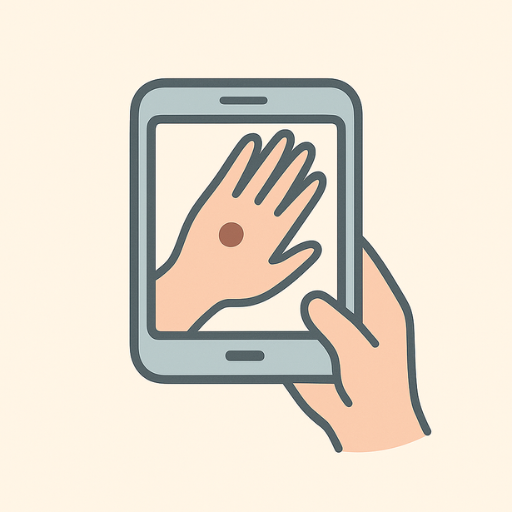
- Photograph rash progression daily from multiple angles
- Note distribution, size, color, and whether lesions coalesce
- Track associated symptoms: fever, swelling, joint pain
- Log response to home remedies or OTC treatments
Source: Harvard Health – When Is a Drug Rash More Than Just a Rash?
Diagnosing Medication-Induced Rashes
Accurate diagnosis ensures correct medication rash treatment and avoids unnecessary drug discontinuation.
Clinical Approach
- Detailed medical history: review all prescription, OTC, and herbal products
- Medication timeline: correlate drug initiation and rash onset (typical window: 7–14 days)
- Physical skin exam: inspect for target lesions, mucosal involvement, distribution pattern
Diagnostic Tests
- Skin biopsy: histological features distinguish exanthem from erythema multiforme or vasculitis
- Patch testing: identifies delayed-type hypersensitivities, especially for topical agents (Mayo Clinic)
- Blood work: CBC with differential (eosinophilia suggests drug hypersensitivity), liver and renal panels
- Serologic tests: specific IgE testing when an IgE-mediated allergy is suspected
When to Seek Urgent Care
- Respiratory distress or wheezing
- Facial, tongue, or throat swelling (angioedema)
- Sustained high fever and diffuse blistering
- Mucosal ulcerations in mouth, eyes, or genital areas
What to Expect During Evaluation
- In-depth interview about all medications and supplements
- Physical exam focusing on skin and mucosal surfaces
- Discussion of prior reaction severity and resolution
- Possible referral to a dermatologist or allergist for specialized testing
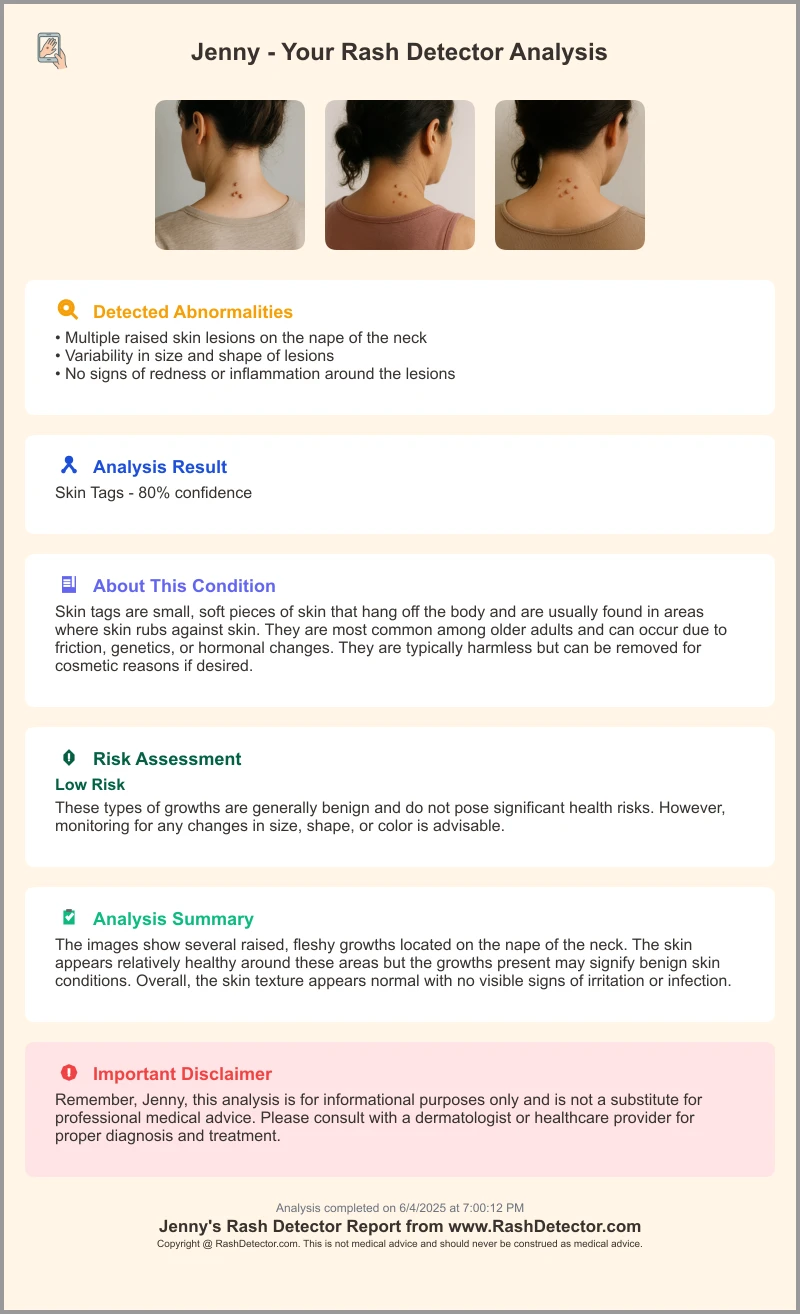
Additionally, digital tools like Rash Detector can supplement clinical evaluation by generating initial assessments based on uploaded images.
Medication Rash Treatment Options
Choosing the right strategy depends on rash severity, medication importance, and patient risk factors.
Immediate Actions Under Medical Guidance
- Discontinue or switch the suspected medication whenever possible
- If the drug is essential (e.g., anti-epileptics), consider desensitization protocols under allergist supervision
- Always consult before stopping critical therapies to avoid disease rebound
Symptomatic Treatments
- Oral antihistamines:
– First-generation: diphenhydramine for rapid relief of itching
– Second-generation: cetirizine or loratadine for longer-lasting, non-sedating relief - Topical corticosteroids:
– Low-potency (hydrocortisone 1%) for face, intertriginous areas
– Medium- to high-potency (triamcinolone, clobetasol) for thick skin on palms and soles - Systemic corticosteroids:
– Short-course prednisone taper (5–7 days) for widespread inflammation
– Taper based on clinical improvement to avoid rebound rash - Adjunctive measures: cool compresses, calamine lotion, colloidal oatmeal baths
For long-term strategies in drug allergy scenarios, see Managing Drug Allergy Rash: A Comprehensive Guide.
Long-Term Management Strategies
- Update medical records and allergy bracelets or cards
- Avoid cross-reactive drugs within the same chemical class
- Formal allergy evaluation or desensitization for essential drugs
- Personalized action plan for future exposures
Complementary Skin-Care Measures
- Use fragrance-free, pH-balanced cleansers and ceramide-based moisturizers
- Wear loose, breathable cotton clothing to minimize friction
- Avoid direct sun exposure on inflamed areas or use broad-spectrum sunscreen
- Keep nails trimmed and apply gloves at night to prevent scratching
Preventing Medication-Induced Rashes
Effective prevention minimizes risk and guides safe medication rash treatment.
Maintain an Up-to-Date Medication and Allergy List
- Include all prescription drugs, OTC products, supplements, and known allergies
- Share the list with all healthcare providers and pharmacists
- Wear a medical alert bracelet or carry an allergy card
Genetic and Allergy Screening
- Ask your doctor about HLA screening before high-risk medications (e.g., HLA-B*1502 with carbamazepine; HLA-B*5801 with allopurinol)
- Consider patch testing for suspected contact allergens before starting topical therapies
Safe Medication Introduction
- Introduce one new medication at a time
- Monitor closely for 7–14 days after starting
- Keep a symptom diary to capture subtle changes
Professional Advice Only
- Never start or stop medications without consulting a healthcare professional
- Use telehealth or in-office visits to report early rash signs
- Educate family members or caregivers on red flags and when to seek help
Clear communication and patient education are key to preventing recurrent drug rashes in vulnerable populations. For additional prevention tips, see 10 Expert Tips to Prevent Recurring Rashes.
Conclusion
Medication rash treatment hinges on early recognition, accurate diagnosis, and tailored management. You’ve learned the definition of medication-induced rashes, how to spot warning signs, which diagnostic tests to expect, and a full range of treatment options—from immediate discontinuation to desensitization protocols and complementary skin care. Preventive tips, like maintaining an allergy list and genetic screening, further reduce risk.
Remember urgent red flags: breathing problems, facial or throat swelling, blistering, mucosal sores, and high fever. If you encounter any of these, seek emergency medical care. For any new or unexplained rash, consult your healthcare provider for personalized medication rash treatment recommendations.
Additional Resources
ウィッグを通販で探すときは、つむじ、毛量、長さ、セットできる範囲を確認しておくと安心です。サイズやセット内容を確認する場合は、刀剣乱舞 コスプレウィッグから候補を探せます。セットするときは耐熱温度を守り、目立たない部分から少量ずつ試しましょう。
- Johns Hopkins Medicine – Drug Rashes
- Harvard Health – When Is a Drug Rash More Than Just a Rash?
- Mayo Clinic – Contact Dermatitis Diagnosis & Treatment
- IU Health – Drug Rashes
- American Academy of Dermatology
- American College of Allergy, Asthma & Immunology
- National Eczema Association
FAQ
- What is the first step if I develop a rash after taking a new medication? Discontinue the drug if possible and seek medical advice immediately, especially if symptoms worsen.
- How can I tell if a rash is drug-related or caused by another factor? Consider timing relative to drug initiation, rash distribution, associated symptoms, and consult a healthcare provider for evaluation.
- Are there genetic tests to predict the risk of a drug rash? Yes, HLA screening (e.g., HLA-B*1502 for carbamazepine, HLA-B*5801 for allopurinol) can identify high-risk individuals.
- When should I seek urgent medical care for a rash? Seek care if you experience blistering, mucosal ulcers, high fever, facial or throat swelling, or difficulty breathing.
- Can I safely reuse a medication after developing a rash? Only under specialist supervision with formal allergy evaluation or desensitization protocols to avoid recurrence.