Medication Rash Treatment: Recognize, Manage, and Prevent Skin Reactions
Learn about medication rash treatment, how to identify drug-induced skin reactions, effective management options, and preventive measures.
6 min read
Key Takeaways
- Medication rashes vary from mild itchiness to severe, life-threatening reactions.
- Early recognition and documentation of symptoms can speed diagnosis and care.
- Treatment often involves stopping the offending drug and using antihistamines or corticosteroids.
- Preventative measures include sharing allergy history, daily skin monitoring, and sun protection.
Table of Contents
- Understanding Medication-Induced Rashes
- Identifying a Medication-Induced Rash
- When to Seek Professional Help
- Medication Rash Treatment Options
- Preventative Measures and Monitoring
- Conclusion
- Additional Resources
Understanding Medication-Induced Rashes
Medication-induced rashes, also known as drug eruptions, occur when medications or their metabolites trigger skin reactions. These can be immune-mediated (IgE or T-cell pathways), non-allergic irritations, photosensitivity, or idiosyncratic responses. Common culprits include:
- Antibiotics: Penicillins (e.g., amoxicillin), cephalosporins, sulfa drugs
- NSAIDs: Ibuprofen, naproxen, diclofenac
- Anti-seizure medications: Phenytoin, carbamazepine, lamotrigine
- Allopurinol, HIV and cancer therapies, ACE inhibitors, diuretics, psychiatric medications
- Corticosteroids/anabolic steroids (can cause steroid acne), topicals, supplements
Source: Harvard Health – When is a Drug Rash More Than Just a Rash?
Identifying a Medication-Induced Rash
Recognizing early signs can prevent complications and guide treatment:
- Redness, itching/pruritus, hives, swelling (angioedema)
- Blisters, peeling skin, burning or pain sensations
- Systemic symptoms: fever, malaise, sore throat, GI upset
- Timing: First exposure often takes 1–2 weeks; repeat exposures may occur within hours.
- Documentation tips: List all medications, record start dates, describe rash distribution and sensations, and take dated photos.
Learn more in our guide on Identifying and Managing Drug-Induced Rash Symptoms.
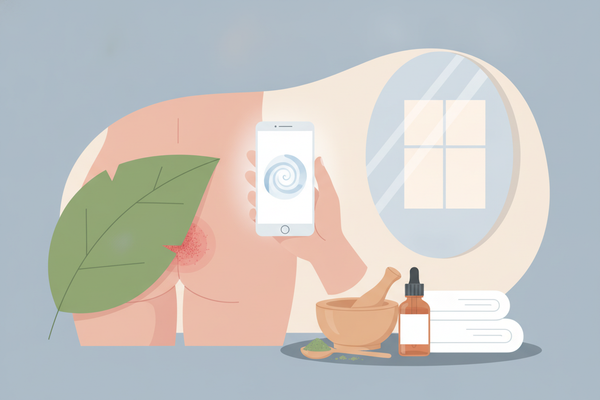
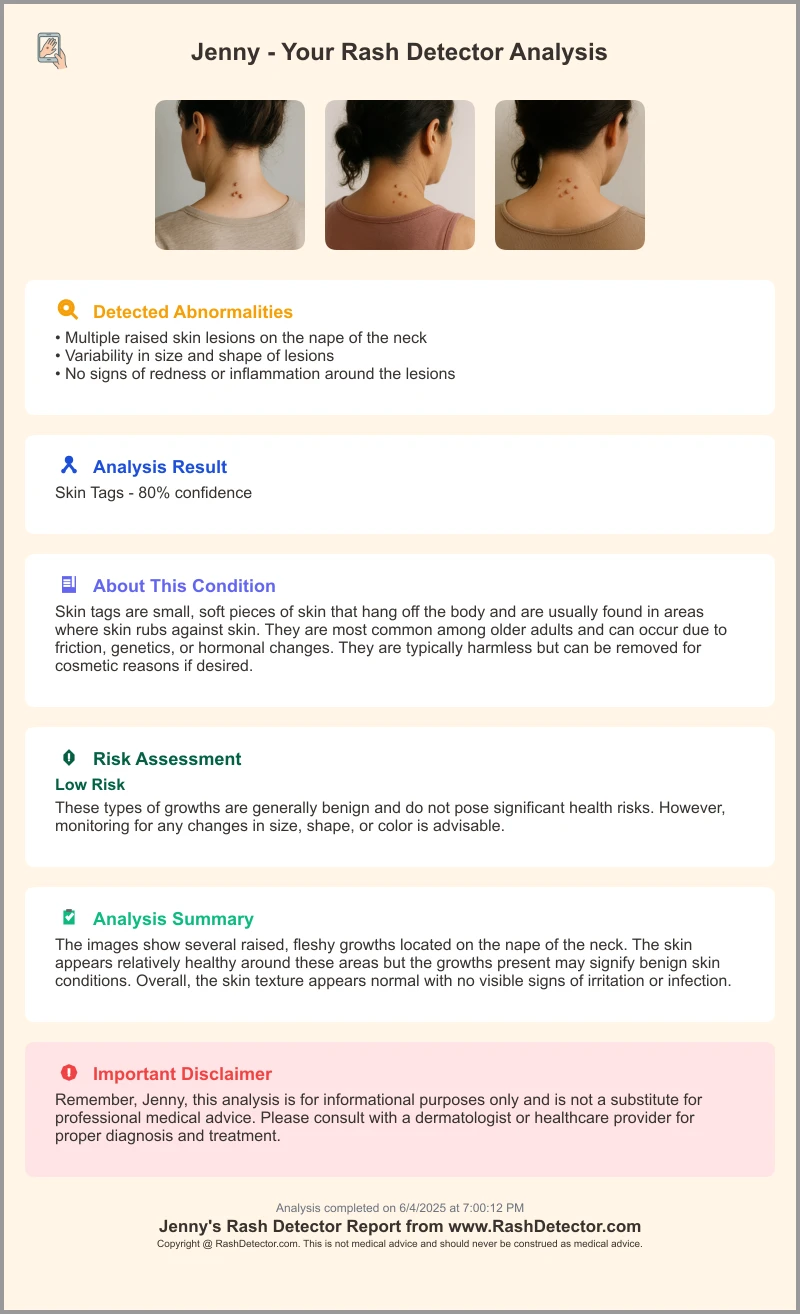
To streamline your tracking, try Rash Detector, an AI-powered skin analysis app that generates instant sample reports.
When to Seek Professional Help
Seek emergency care if you experience:
- Difficulty breathing, swelling of lips, tongue or throat
- Widespread blisters or peeling skin
- High fever with systemic signs
For non-emergencies, consult a doctor within 24–72 hours if a new or worsening rash appears after starting a medication, especially if accompanied by fever or joint aches.
Medication Rash Treatment Options
- Stop or switch the offending medication under medical guidance.
- OTC treatments: Oral antihistamines (cetirizine, loratadine), topical hydrocortisone 1% cream. See our overview of OTC vs Prescription Rash Treatment.
- Prescription therapies: Medium–high potency topical steroids, short systemic corticosteroid courses for moderate to severe reactions.
- Self-care measures: Fragrance-free moisturizers, cool compresses, oatmeal baths. For top anti-itch options, visit Best Anti-Itch Cream Solutions.
Preventative Measures and Monitoring
Before starting any new medication:
- Share your full allergy and reaction history with your healthcare provider.
- Monitor your skin daily during the first two months of therapy.
- Use broad-spectrum sunscreen and protective clothing with photosensitizing drugs.
- Keep a symptom diary with dates, doses, rash details, and photos.
Conclusion
- Medication-induced rashes can range from minor to life-threatening; timing and appearance guide diagnosis.
- First-line management is stopping the causative agent, followed by antihistamines, corticosteroids, and supportive care.
- Watch for emergency signs and maintain open communication with healthcare professionals to prevent future reactions.
Additional Resources
- Johns Hopkins Medicine – Drug Rashes
- Harvard Health – When is a Drug Rash More Than Just a Rash?
- Healthline – Drug Rash and Eruption
- GoodRx – Drug Rashes
FAQ
- What is a medication-induced rash? A skin reaction triggered by a prescription, OTC herbals, or supplements after starting or changing a drug.
- How quickly can a rash appear? Initial exposures may take 1–2 weeks; subsequent exposures can cause rashes within hours.
- Can I treat mild rashes at home? Yes, mild reactions often respond to antihistamines and topical hydrocortisone, but consult a doctor if symptoms worsen.
- When should I seek medical attention? Immediate care is needed for breathing difficulties, widespread blisters, or high fever; non-emergencies should be assessed within 24–72 hours.
- How can I prevent future reactions? Always inform providers of past reactions, monitor skin closely, and document symptoms with a diary and photos.