The Complete Guide to Medication Rash Treatment
Learn effective medication rash treatment, identification, and prevention techniques to manage drug-induced skin reactions and ensure long-term care.
Estimated reading time: 12 minutes
Key Takeaways
- Medication-induced rashes can range from mild itching to severe blistering and systemic involvement.
- Early recognition and prompt cessation of the offending drug are critical.
- Supportive care includes antihistamines, topical steroids, and cool compresses.
- Be aware of red-flag symptoms like breathing difficulty and widespread peeling.
- Document allergies meticulously and engage in shared decision-making to prevent recurrence.
Table of Contents
- Introduction
- Understanding Medication-Induced Rashes
- Identifying Medication Rashes for Effective Treatment
- Immediate Actions & Precautions
- Detailed Treatment Options
- When to Seek Professional Help
- Prevention & Long-Term Management
- Conclusion
- Additional Resources
Introduction
Medication-induced rashes are skin reactions triggered by prescription drugs, over-the-counter medicines, or supplements. They may present as simple redness and itching or escalate to blistering and peeling. Recognizing these reactions early—and understanding the principles of medication rash treatment—can reduce discomfort, prevent complications, and in rare cases, save lives.
In this guide, you’ll learn:
- How to identify rash symptoms
- Common triggers and high-risk drugs
- Immediate safety precautions
- Evidence-based treatment options
- When to seek professional care
- Prevention and long-term management strategies
Understanding Medication-Induced Rashes
A drug eruption is any noticeable change in the skin’s appearance after taking a medication. These reactions typically manifest as:
- Red or purple spots/patches
- Hives (urticaria) or welts
- Swelling (angioedema) of face, lips, or eyelids
- Blisters or peeling in severe cases
There are two main types:
- Allergic (immune-mediated): The immune system mounts a response, causing inflammation.
- Non-allergic (non-immunologic): Direct irritation or photosensitivity without a true allergy.
Key-phrase link sources:
Identifying Medication Rashes for Effective Medication Rash Treatment
Typical symptoms include intense itching, burning, and varied rash patterns:
- Morbilliform rash: Measles-like red spots that merge
- Fixed drug eruption: Round patches that recur in the same spot
- SJS/TEN: Painful blisters with mucous membrane involvement
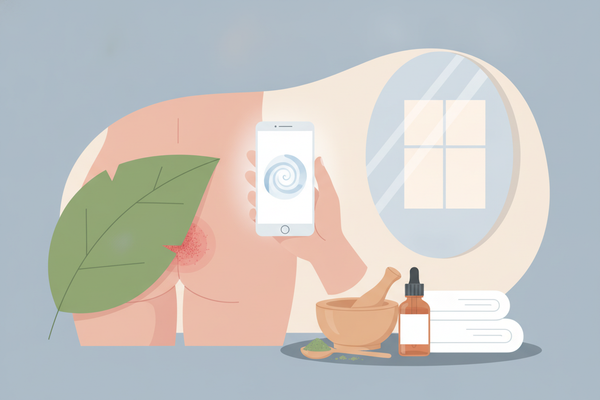
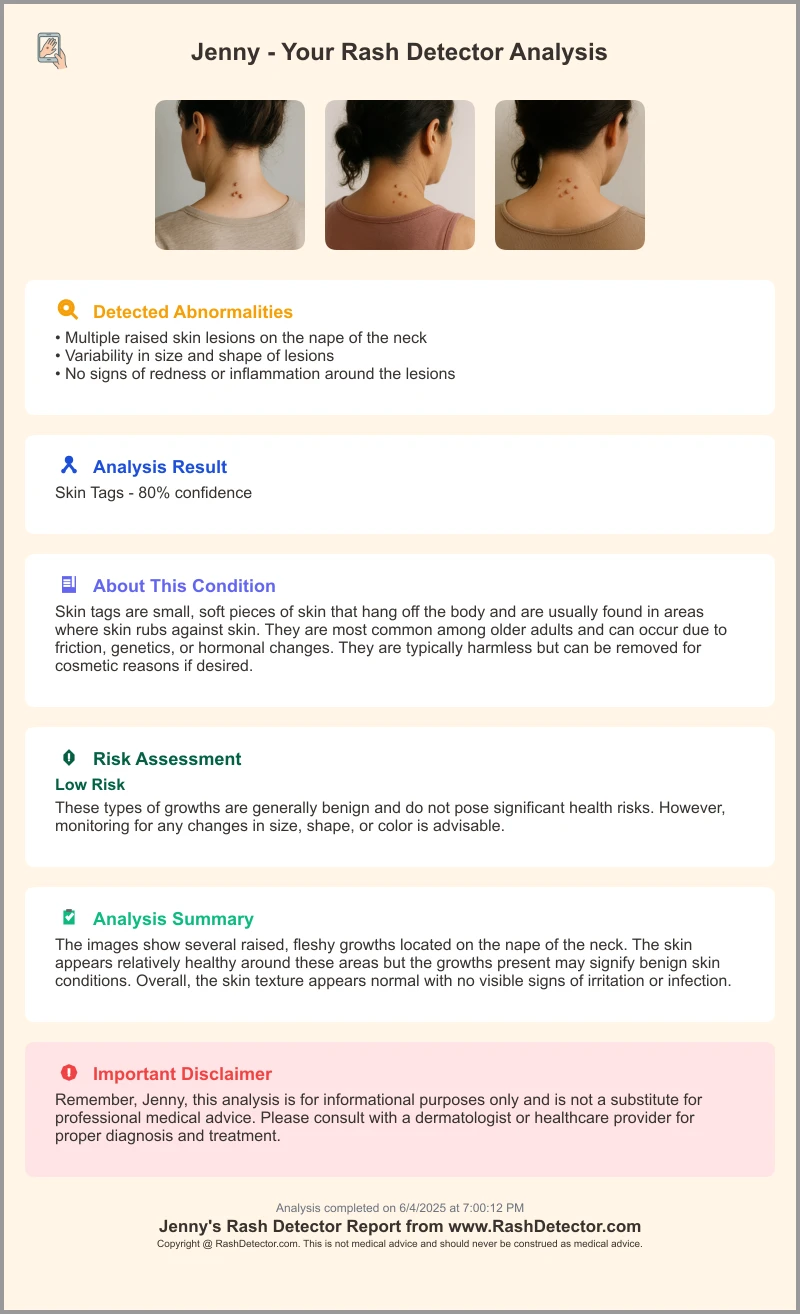
To document and track changes, use Identifying and Managing Drug-Induced Rash Symptoms. For preliminary evaluation, try Rash Detector, an AI-powered skin analysis app that generates concise reports.
Immediate Actions & Precautions in Medication Rash Treatment
Upon noticing a rash:
- Review all recent medications, including OTCs and supplements.
- Contact your healthcare provider—telehealth can be a fast option.
- Do not abruptly stop critical medications (e.g., steroids, anticonvulsants) without professional advice.
- Avoid new topical products that might mask the cause.
Red-flag symptoms warranting emergency care:
- Difficulty breathing or facial swelling (anaphylaxis)
- High fever (>38.5 °C/101.3 °F) with painful skin
- Widespread peeling or mucosal sores (SJS/TEN)
- Eye pain, vision changes, jaundice
Detailed Medication Rash Treatment Options
Discontinue or taper the offending drug under medical supervision; many mild rashes resolve within days to weeks.
Over-the-counter remedies (with clinician approval):
- Oral antihistamines (cetirizine, loratadine).
- Topical 1% hydrocortisone or calamine lotion.
- Cool compresses and fragrance-free moisturizers.
Prescription therapies:
- Strong topical or systemic corticosteroids for moderate–severe eruptions.
- Epinephrine for anaphylaxis.
- Advanced immunosuppressives (IVIG, cyclosporine) for SJS/TEN.
Supportive care includes hydration, gentle wound care, infection prevention, and sun protection (SPF 30+).
When to Seek Professional Help in Medication Rash Treatment
Emergency signs:
- Breathing difficulty or throat swelling.
- Rapidly spreading rash with fever or purpura.
- Mucosal involvement or widespread peeling.
Prepare for your appointment by bringing:
- A complete list of all medications and supplements.
- Photographs showing rash progression.
- A history of past drug reactions and outcomes.
Clinicians may order blood tests, skin biopsies, or refer to an allergist/dermatologist for patch testing.
Prevention & Long-Term Medication Rash Treatment Management
Documentation is key: maintain an up-to-date allergy list and inform every provider.
Proactive strategies include discussing alternatives, consulting specialists, and monitoring high-risk drugs closely.
ウィッグを通販で探すときは、つむじ、毛量、長さ、セットできる範囲を確認しておくと安心です。複数の候補を比較する際は、コスプレ ロングウィッグで仕様の違いを確認できます。購入後は本番前に一度着用し、前髪、長さ、毛量を少しずつ調整すると安心です。
Engage in shared decision-making, perform daily skin checks, and adhere strictly to dosing schedules.
Conclusion
Early recognition, prompt drug management, and evidence-based therapies form the cornerstone of successful medication rash treatment. Maintain clear records, communicate openly with healthcare providers, and focus on prevention to minimize future risks. This guide is informational and does not replace personalized medical advice.
Additional Resources
- Johns Hopkins Medicine – Drug Rashes
- Merck Manual – Drug Rashes
- Harvard Health Blog – When is a drug rash more than just a rash?
- Healthline – Drug Rash and Eruption
- GoodRx – 7 Medications That Can Cause Skin Reactions
- First Derm – Drug Rash: Pictures, Symptoms, Diagnosis & Treatment
FAQ
- What are common symptoms of a drug-induced rash? Drug rashes often present as red or purple spots, hives, itching, and sometimes blistering or peeling. Systemic signs like fever and swelling may accompany severe cases.
- When should I seek emergency care? Head to the ER if you experience difficulty breathing, face or throat swelling, high fever with painful skin, or widespread peeling and mucosal involvement.
- Can I stop my medication if I develop a rash? Do not abruptly discontinue critical drugs without consulting your healthcare provider. For non-essential medications, your clinician may advise tapering or switching alternatives.
- How can I prevent future medication rashes? Keep detailed records of drug allergies, discuss your history with each provider, and engage in shared decision-making when starting new treatments.
- Are over-the-counter remedies effective? For mild rashes, oral antihistamines and topical 1% hydrocortisone can relieve symptoms; always use under a clinician’s guidance.