Comprehensive Medication Rash Treatment: Causes, Symptoms & Care
Learn about medication rash treatment, its causes, symptoms, and effective care strategies. Early recognition and action are essential for preventing complications.

Estimated reading time: 12 minutes
Key Takeaways
- Early recognition of medication-induced rashes can prevent serious complications.
- Discontinue or adjust the offending drug under medical guidance.
- Differentiate between mild and severe reactions to determine appropriate care.
- Employ targeted treatments—from antihistamines and topical steroids to emergency measures.
- Implement preventative strategies and maintain clear communication with healthcare providers.
Table of Contents
- Section 1: Understanding Medication-Induced Rashes
- 1.1 Causes of Medication-Induced Rashes
- 1.2 Types of Medication-Induced Rashes
- 1.3 Common Culprit Medications
- Section 2: Identifying the Symptoms
- 2.1 Common Dermatologic Signs
- 2.2 Mild Rash vs. Serious Reaction
- Section 3: Management and Treatment Options
- 3.1 Immediate First-Aid Steps
- 3.2 Conservative Outpatient Treatments
- 3.3 Systemic and Advanced Therapies
- 3.4 When to Seek Professional Care
- 3.5 Medication Discontinuation and Substitution
- 3.6 Using AI for Rapid Rash Assessment
- Section 4: Preventative Measures and Long-Term Care
- 4.1 Reducing Future Rash Risk
- 4.2 Effective Communication with Providers
- 4.3 Monitoring When Continuation Is Necessary
- Conclusion
- FAQ
Section 1: Understanding Medication-Induced Rashes
1.1 Causes of Medication-Induced Rashes
Grasping the root triggers is the first step toward effective care. Reactions typically fall into three categories:
- Immune (allergic) reactions
- Immediate (minutes to hours) or delayed (days to weeks) onset.
- Antibody-mediated attack on skin cells, leading to inflammation.
- Non-allergic (intolerance) reactions
- Direct skin irritation or barrier disruption.
- Vascular or pigment effects that mimic true allergies.
- Infection or drug–drug interaction triggers
- For example, amoxicillin in the presence of Epstein–Barr virus may provoke a rash.
- Certain drugs raise each other’s levels, provoking skin reactions.
Source: Merck Manual Professional
1.2 Types of Medication-Induced Rashes
Treatment varies by rash type, so precise identification is essential:
- Hives (urticaria)
- Pale-to-red, itchy welts that shift location; may include angioedema.
- Risk of anaphylaxis if breathing or blood pressure is affected.
- Morbilliform rash
- Pink-red spots resembling measles, appearing 4–14 days after a new drug.
- Often itchy and may peel.
- Fixed drug eruption
- Dark red patches recurring in the same spot, possibly blistering.
- Leaves hyperpigmentation when healed.
- Photosensitivity
- Appears like severe sunburn on exposed areas.
- Acneiform eruptions
- Acne-like pimples linked to steroids and anti-seizure medications.
- Severe cutaneous adverse reactions (SCARs)
- Stevens-Johnson syndrome (SJS)/toxic epidermal necrolysis (TEN): painful blisters, skin peeling, mucosal involvement, fever.
- DRESS (Drug Reaction with Eosinophilia and Systemic Symptoms): extensive rash, facial swelling, fever, organ involvement.
All definitions: Johns Hopkins Medicine
1.3 Common Culprit Medications
Certain drugs carry higher rash risks:
- Antibiotics: penicillins, sulfonamides, cephalosporins
- Anticonvulsants/mood stabilizers: carbamazepine, lamotrigine, phenytoin
- Allopurinol
- NSAIDs: ibuprofen, naproxen, aspirin
- HIV and cancer therapies
- Contrast agents for imaging
- Topical products: creams, ointments, eye drops
Source: Mayo Clinic
Section 2: Identifying the Symptoms
2.1 Common Dermatologic Signs
Accurate symptom identification unlocks targeted care:
- Skin signs
- Red or pink spots, bumps, or patches
- Raised welts (hives) with itching
- Burning, stinging, or tenderness
- Dryness, peeling, blisters, target lesions
- Dark fixed patches in the same spot
- Systemic signs
- Fever, chills, fatigue
- Swollen lymph nodes
- Gastrointestinal upset
- Respiratory symptoms (wheezing, cough)
- Mucosal sores
Source: Becker ENT & Allergy
2.2 Mild Rash vs. Serious Reaction
Mild rash (self-manage at home):
- Limited skin area, mild itching
- No blisters on lips, eyes, genitals
- No fever or feeling very ill
Serious reaction (seek care):
- Breathing difficulty, throat tightness → anaphylaxis
- Rapidly spreading rash, painful or tender skin
- Large blisters or skin peeling
- Mucosal involvement, high fever, facial swelling
- Signs of organ involvement
"Self-care for small, itchy rashes; urgent care for spreading or blistering rashes; emergency for breathing issues and anaphylaxis."
Section 3: Management and Treatment Options
3.1 Immediate First-Aid Steps
- Stop or pause non-critical drugs
- Do not halt lifesaving meds (e.g., heart, seizure, insulin) without provider advice.
- Assess for emergency signs
- If you see anaphylaxis or severe blistering, call 911 or go to the ER.
- Document onset and timeline
- Take dated photos.
- Note drug start dates and rash appearance.
- List other potential triggers.
3.2 Conservative Outpatient Treatments for Mild/Moderate Rashes
Oral antihistamines: cetirizine, loratadine, fexofenadine; diphenhydramine for nighttime relief.
Topical corticosteroids: hydrocortisone 1% OTC; prescription options like triamcinolone.
Supportive care: cool baths with colloidal oatmeal, fragrance-free moisturizer, loose clothing, trimmed nails.
Sources: Merck Manual, Becker ENT & Allergy, NYU Langone
3.3 Systemic and Advanced Therapies for Severe Reactions
- Systemic corticosteroids: oral prednisone tapered over 1–3 weeks; IV methylprednisolone for SCARs.
- Epinephrine: intramuscular injection (EpiPen) for anaphylaxis.
- Immunosuppressants and biologics: cyclosporine for SJS/TEN; IVIG or newer agents.
Sources: NYU Langone, Merck Manual Professional, Harvard Health
3.4 When to Seek Professional Care
Contact your provider if you experience:
- New rash on a high-risk drug
- Rapidly spreading or blistering rash
- Mucosal involvement
- Fever, facial swelling, systemic symptoms
- Breathing problems or anaphylaxis signs
3.5 Medication Discontinuation and Substitution
Key strategies include:
- Stopping the offending drug to allow rash resolution.
- Switching to a lower-risk alternative.
- Desensitization protocols under allergist supervision.
Sources: Merck Manual, Johns Hopkins Medicine
3.6 Using AI for Rapid Rash Assessment
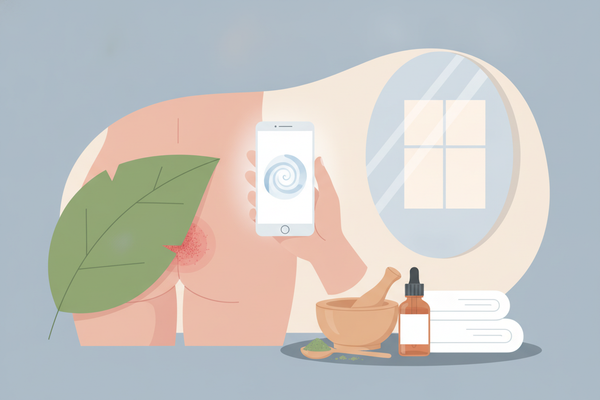
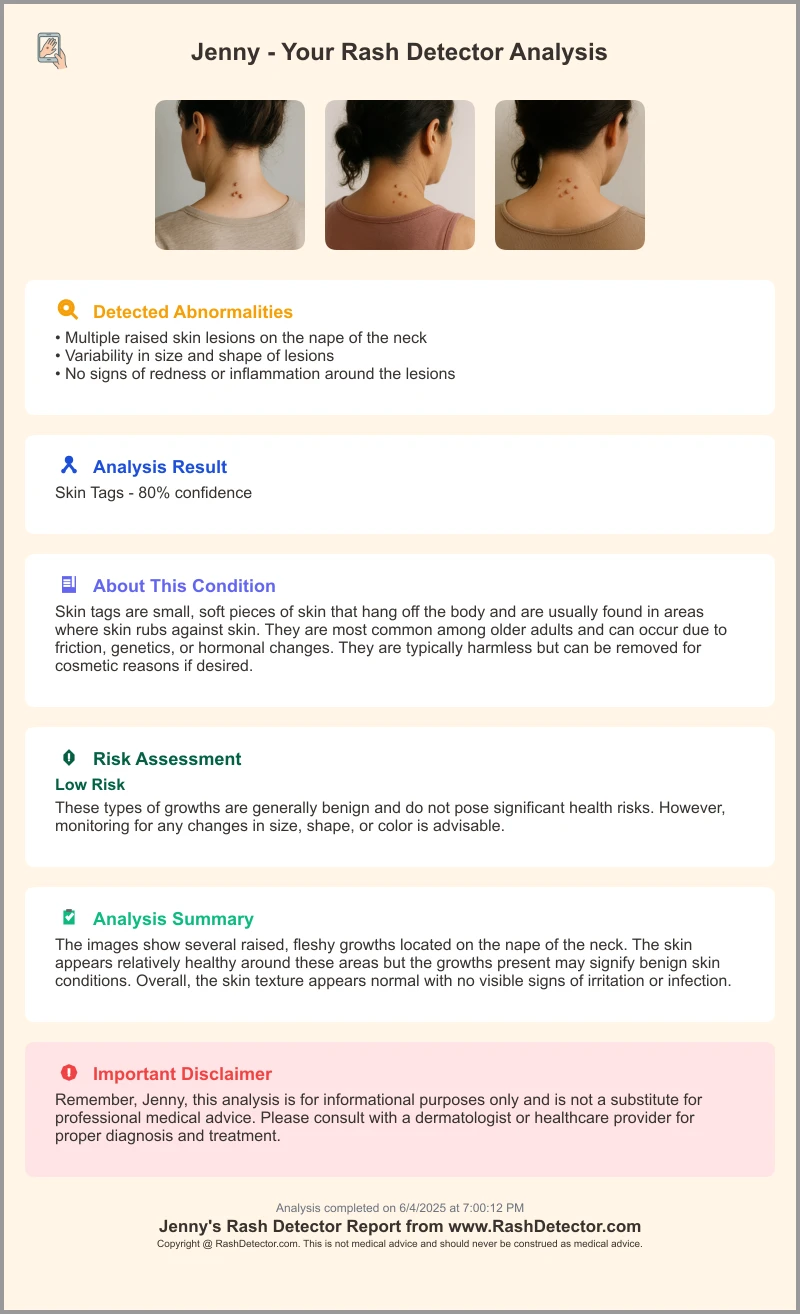
For an instant remote evaluation, try Rash Detector, an AI skin analysis app that generates a sample report from three rash images.
Section 4: Preventative Measures and Long-Term Care
4.1 Reducing Future Rash Risk
- Maintain an accurate list of all medications and allergies.
- Follow slow-titration protocols for high-risk drugs.
- Use broad-spectrum sunscreen on photosensitizing medications.
- Avoid unnecessary antibiotic or prescription use.
4.2 Effective Communication with Providers
- Describe rash appearance, timeline, and symptoms.
- Clarify itching, pain, swelling, or breathing issues.
- Ensure allergy records are up to date across systems.
- Discuss true allergy vs. side effect for future drug choices.
4.3 Monitoring When Continuation Is Necessary
- Start high-risk drugs at low doses with gradual increases.
- Schedule regular follow-ups (in-person or telehealth).
- Perform blood tests (liver, kidney, blood counts) to detect DRESS early.
- Conduct daily skin checks for the first 2–8 weeks and report changes.
Conclusion
Medication-induced rashes range from mild nuisances to life-threatening emergencies. Effective care hinges on:
- Early recognition of new or evolving skin reactions.
- Prompt drug discontinuation or adjustment under guidance.
- Symptom-targeted treatments: antihistamines, topical/systemic steroids, emergency measures.
- Preventative strategies: detailed history, cautious dosing, sun protection.
- Ongoing communication and monitoring with your healthcare team.
FAQ
- What should I do if I notice a mild rash?
- Stop non-essential drugs, use cool compresses and OTC antihistamines, and monitor for any escalation of symptoms.
- How can I tell if a drug rash is serious?
- Look for systemic signs like fever, mucosal involvement, rapid spread, blisters, or breathing difficulties.
- When should I seek emergency help?
- Call 911 or go to the ER if you experience breathing issues, throat swelling, dizziness, or signs of anaphylaxis.
- Can I prevent drug rashes in the future?
- Maintain an accurate drug and allergy list, follow high-risk drug protocols, and discuss true allergies with your provider.
初めて準備する場合は、使用日から逆算して注文、確認、調整の時間を確保すると安心です。条件に合う選択肢を探す際は、セーラームーン コスプレを手掛かりに内容を確認できます。利用条件や交換条件は店舗ごとに異なるため、注文前に最新内容を確認すると安心です。