Medication Rash Treatment: Comprehensive Guide for Drug-Induced Rashes
Understand medication rash treatment: identify, manage, and prevent drug-induced rashes with expert guidance on symptoms, diagnosis, and remedies.
Estimated reading time: 8 minutes
Key Takeaways
- Early recognition of medication rashes can prevent progression to severe conditions like SJS/TEN.
- Immune-mediated vs. toxic reactions have distinct presentations and triggers.
- Diagnosis requires a thorough medication timeline, physical exam, and sometimes labs or biopsy.
- Treatment ranges from OTC antihistamines and corticosteroids to systemic therapies in severe cases.
- Prevention includes patient education, gradual drug introductions, and allergy documentation.
Table of Contents
- Understanding Medication-Induced Rashes
- Recognizing Symptoms and Signs
- Diagnosis and Professional Consultation
- Medication Rash Treatment Options
- Preventative Measures and Aftercare
- Conclusion and Key Takeaways
Section 1: Understanding Medication-Induced Rashes
A medication rash is any new skin eruption following a drug change. Reactions fall into two main types:
- Immune-mediated (hypersensitivity)
- Hives (urticaria)
- Morbilliform eruptions (measles-like)
- Severe hypersensitivity syndromes (e.g., DRESS)
- Non-immune/toxic
- Photosensitivity reactions
- Direct toxic effects on skin cells
Common triggers include:
- Antibiotics: penicillins, amoxicillin, sulfonamides, cephalosporins, macrolides (azithromycin) (UpToDate)
- Anticonvulsants: carbamazepine, lamotrigine, phenytoin (Mayo Clinic)
- NSAIDs: ibuprofen, naproxen, diclofenac (FDA)
- Allopurinol for gout (NLM)
- Chemotherapy agents, biologics, diuretics, ACE inhibitors
Risk factors:
- History of drug allergy
- Polypharmacy
- Viral infections (e.g., EBV plus ampicillin)
- Autoimmune diseases
- Genetic predispositions (HLA associations)
Rash patterns:
- Morbilliform: pink macules spreading over days to weeks
- Urticaria: transient wheals, intense itching
- Fixed drug eruption: recurring lesions at the same site
- Photosensitivity: redness or blistering in sun-exposed skin
- Severe reactions (SJS/TEN) (Stevens–Johnson syndrome/TEN)
- DRESS: eosinophilia, systemic symptoms (AAD)
For more on drug-induced rash types and symptoms, see our detailed guide.
Section 2: Recognizing Symptoms and Signs
Common signs:
- Red or pink flat spots or raised bumps
- Itching or burning sensations
- Hives and angioedema
- Blisters or skin peeling
- Mucosal involvement (mouth, eyes, genitals)
- Systemic signs: fever, malaise, lymphadenopathy, GI upset
Differentiation criteria:
- Timing: onset 1–14 days after drug change
- Distribution: symmetric vs. localized
- Recurrence: fixed eruptions on re-exposure
- Other exposures: new skincare, foods, insect bites
Red-flag symptoms needing emergency care:
- Difficulty breathing or throat swelling (anaphylaxis)
- Rapid rash with fever and large blisters (SJS/TEN)
- Mucosal ulcerations, jaundice, dark urine, severe malaise
Section 3: Diagnosis and Professional Consultation
Prepare for your appointment by:
- Documenting medication timeline (start/stop, dose changes)
- Photographing rash progression with consistent lighting
- Listing all substances: prescription, OTC, supplements, topicals
- Noting systemic symptoms: fever, joint pain, GI issues
Clinician’s evaluation:
- Medical and family allergy history
- Rash morphology exam and vital signs
- Labs: CBC, liver/kidney panels, inflammatory markers
- Special tests: skin biopsy, allergy testing, drug challenge
Professional guidance ensures safe drug discontinuation, accurate classification, and future avoidance.
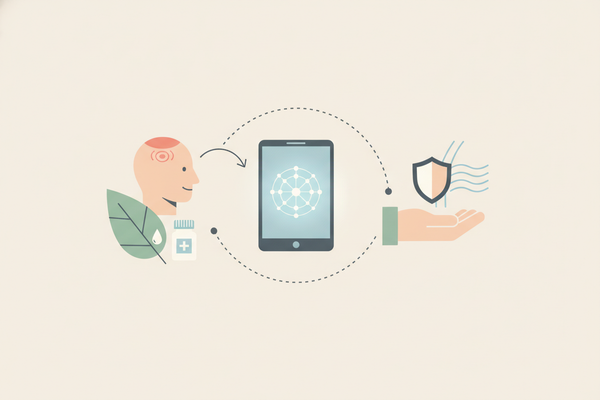
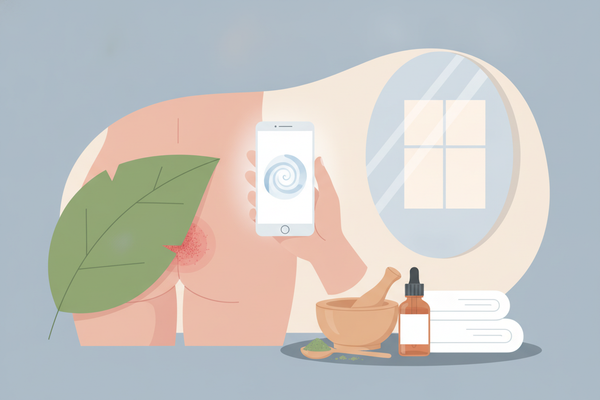
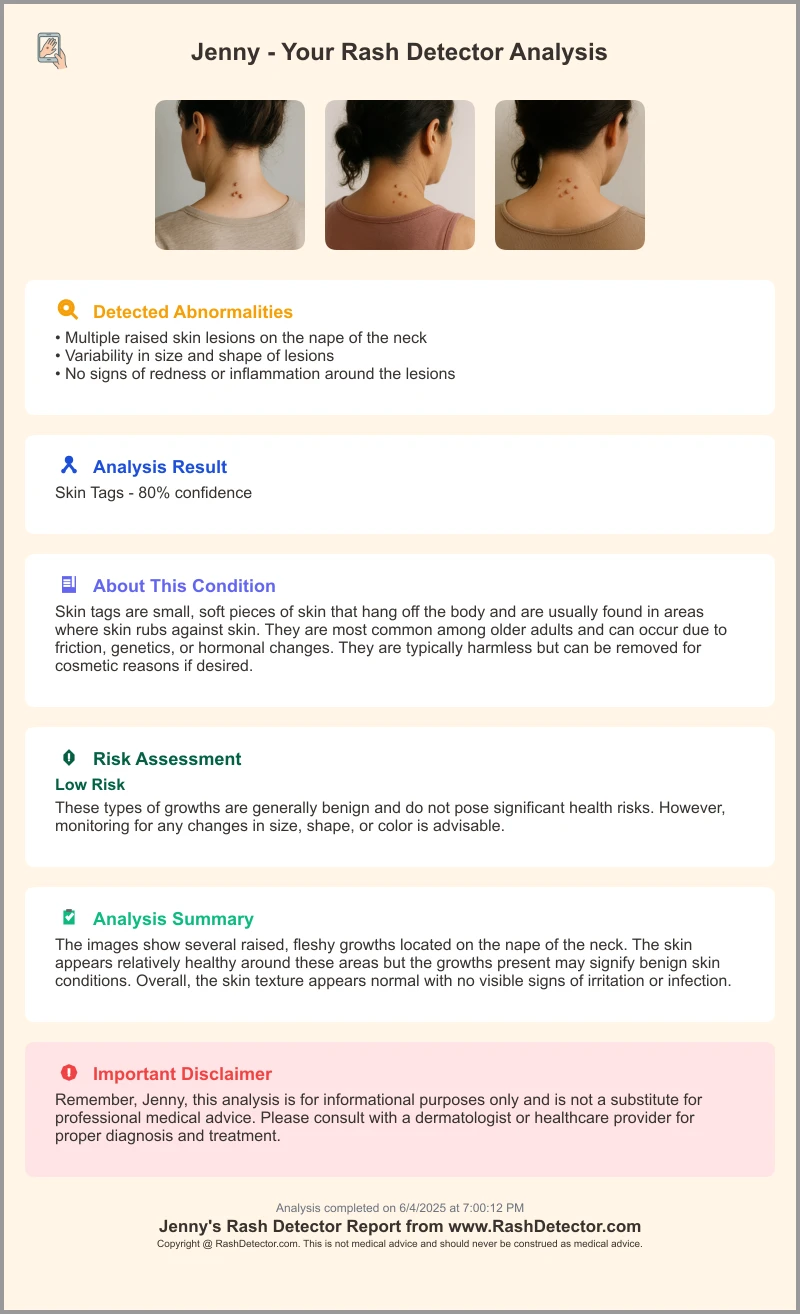
To enhance monitoring, try the AI-powered Rash Detector. Upload three images for an instant report:
Section 4: Medication Rash Treatment Options
Immediate steps:
- Consult your provider before stopping essential drugs
- Pause non-essential items causing mild rash until evaluation
OTC and home remedies:
- Oral antihistamines: cetirizine, loratadine, fexofenadine (AAD)
- Topical hydrocortisone 1% for pruritic areas
- Cool compresses, oatmeal baths, fragrance-free moisturizers
- Avoid irritants: scented products, tight clothing
Prescription therapies:
- Potent topical steroids for severe inflammation
- Systemic steroids for DRESS or severe urticaria
- Epinephrine for anaphylaxis
- Immunomodulators/biologics in refractory cases
- Inpatient care for SJS/TEN: fluid management, wound care, pain control
Interim self-care:
- Continue non-sedating antihistamines
- Monitor progression and new symptoms
- Seek urgent care for red-flag signs
Learn more about managing drug allergy rashes.
Section 5: Preventative Measures and Aftercare
Monitoring new meds:
- Introduce one drug at a time
- Read leaflets for skin reaction warnings
- Inspect and photograph skin daily for 2–4 weeks
Reducing future risk:
- Inform all providers about past reactions
- Wear medical alert jewelry or carry an allergy card
- Avoid culprit drugs; consider allergy testing
- Use lowest effective dose and slow titration
- Practice sun protection with photosensitizing drugs
Aftercare:
- Gentle cleansing and moisturizing routines
- Avoid scratching to prevent infection
- Schedule follow-ups to confirm resolution
- Long-term care for SJS/TEN survivors
Explore tips to prevent recurring rashes.
衣装の候補を絞る場合は、サイズ、素材、装飾、付属品を同じ基準で見比べることが大切です。条件に合う選択肢を探す際は、放浪者 コスプレ衣装を手掛かりに内容を確認できます。商品が届いたら付属品とサイズを早めに確認し、必要な調整を本番前に済ませましょう。
Conclusion and Key Takeaways
Medication rash treatment starts with prompt recognition after drug changes, accurate diagnosis, and supervised discontinuation of the offending agent. Symptomatic care with antihistamines, corticosteroids, and supportive measures reduces complications. Always watch for red-flag signs—difficulty breathing, rapid blistering, mucosal involvement, fever—that warrant emergency care. Prevent future reactions by communicating allergies to all providers, wearing medical alerts, and monitoring skin closely when starting new therapies. Seek professional advice for personalized care and consider allergy testing for long-term prevention.
FAQ
- What causes medication rashes?
Immune-mediated hypersensitivity or direct toxic effects on skin cells, triggered by various drugs. - How are medication rashes diagnosed?
Through a detailed medication history, physical exam, labs, and sometimes biopsy or allergy testing. - When should I seek medical help?
If you experience difficulty breathing, throat swelling, fever, widespread blisters, or mucosal ulcers. - Can medication rashes be prevented?
Yes—by introducing drugs one at a time, documenting allergies, and using lowest effective doses. - What treatments are available?
Options range from OTC antihistamines and topical steroids to systemic therapies and inpatient care for severe cases.