Medication Rash Treatment: Complete Guide for Drug-Induced Rashes
Learn medication rash treatment strategies for drug-induced rashes. Discover how to recognize symptoms and explore treatment options effectively.

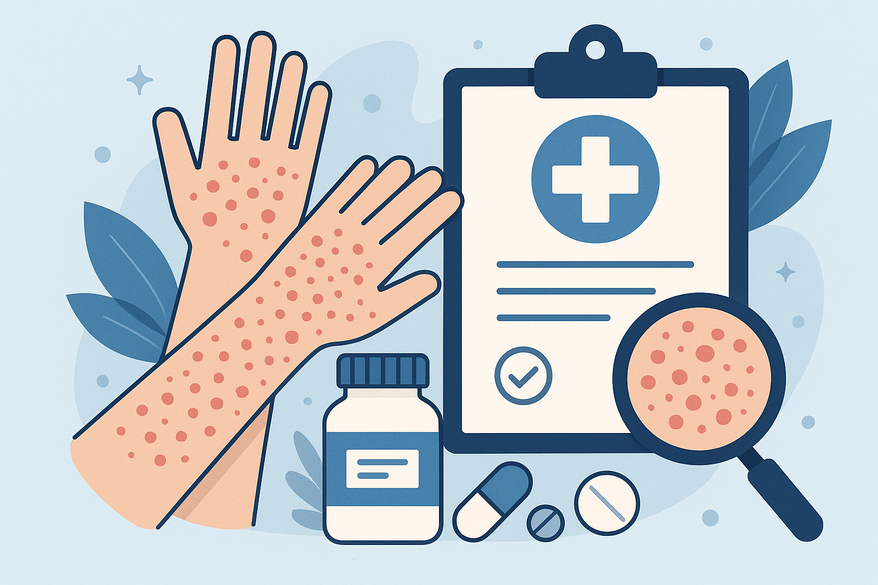
Estimated reading time: 10 minutes
Key Takeaways
- Medication-induced rashes range from mild redness to life-threatening blistering and require prompt recognition.
- Tracking symptoms and obtaining an accurate diagnosis are crucial to guide safe treatment.
- OTC and prescription options vary by severity; professional supervision is essential for serious reactions.
- Consistent self-care measures and thorough record-keeping reduce recurrence and improve outcomes.
Table of Contents
- Understanding Medication-Induced Rashes
- Recognizing the Symptoms
- Diagnosis & When to Seek Professional Help
- Medication Rash Treatment Options
- Self-Care & Prevention Strategies
- Key Takeaways and Resources
- FAQ
Understanding Medication-Induced Rashes
Medication-induced rashes are skin reactions triggered by systemic drugs, ranging from mild macular redness to severe blistering syndromes. Unlike contact dermatitis or viral exanthems, these reactions stem from oral or intravenous medications.
Mechanisms of Reaction
- Type I hypersensitivity – Immediate allergic response releases histamine and mediators.
- Dose-related toxicity – High doses can provoke photosensitivity or direct cytotoxicity.
- Type IV delayed hypersensitivity – T-cell mediated response appearing days to weeks after exposure.
- Drug interactions or genetic sensitivity that amplify rash risk.
Common Culprits: penicillins, sulfonamides, anticonvulsants (phenytoin, carbamazepine), allopurinol, NSAIDs, ACE inhibitors, beta-blockers, antivirals, and antifungals.
To dive deeper into identifying and managing these drug-induced symptoms, consult the dedicated guide.
Recognizing the Symptoms
Early detection is vital. Look for:
- Itching, burning, or tenderness
- Red or pink macules, raised wheals, or hives
- Angioedema (swelling of face, lips, tongue)
- Blistering, vesicles, peeling, or exfoliation
- Rash extension beyond initial site
Warning Signs: fever ≥ 100.4°F, mucosal ulcers, respiratory distress, purple spots (petechiae), widespread blistering. These may indicate Stevens-Johnson syndrome or DRESS and demand immediate care.
Early Detection Tips:
- Maintain a symptom log: start dates, medication names, dose changes.
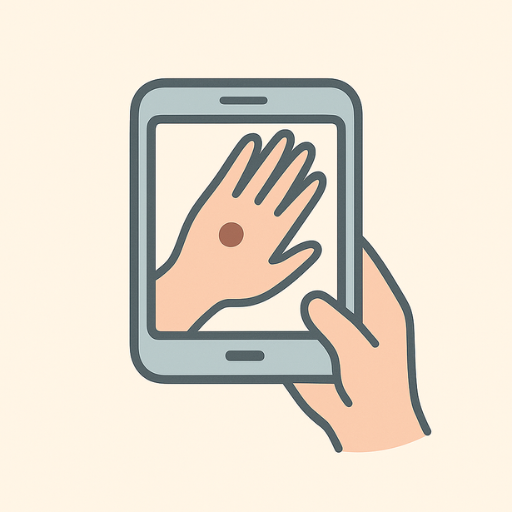
- Photograph your rash daily under consistent lighting.
- Note any improvement when pausing the drug under medical advice.
- Track new supplements or OTC additions.
Diagnosis & When to Seek Professional Help
An accurate diagnosis steers treatment. Key steps:
- Comprehensive history: drug list, allergy record, prior reactions.
- Physical exam: assess rash morphology and distribution.
- Laboratory tests: CBC with differential, liver/kidney panels if systemic.
- Skin biopsy: reserved for atypical or severe presentations.
Red Flags: anaphylaxis (breathing difficulty, hypotension), rapid mucosal involvement, fever with organ dysfunction, skin peeling > 10% BSA, signs of infection. Never halt life-saving drugs without clinician approval.
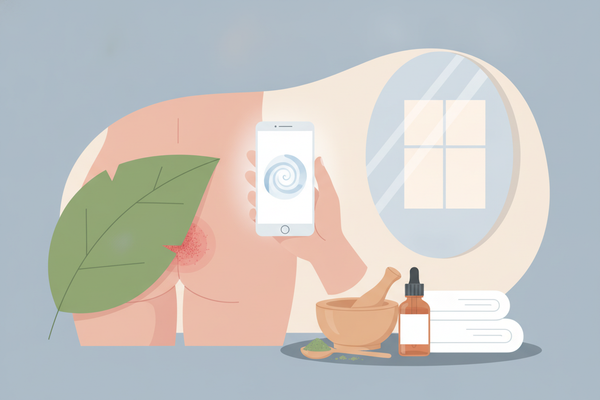
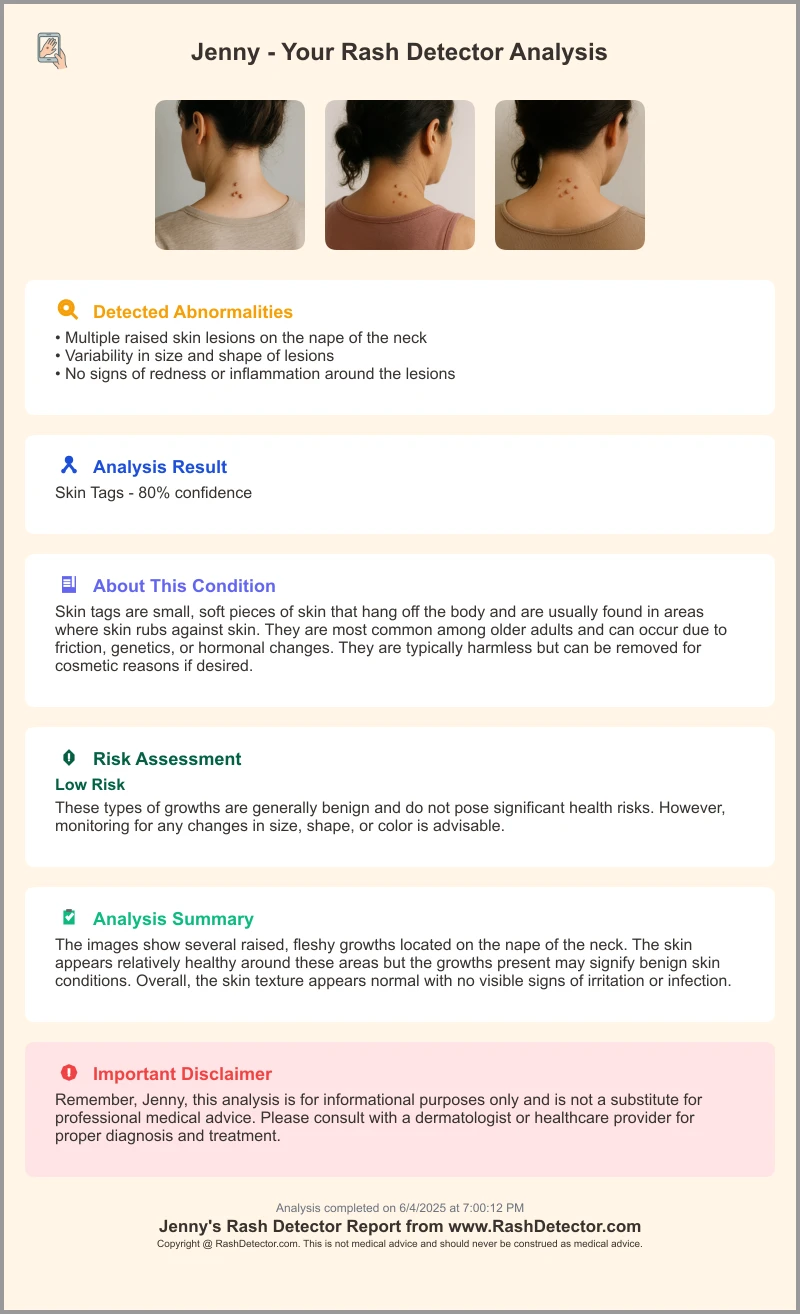
For convenient at-home monitoring, the Rash Detector AI skin analysis app can analyze photos and deliver instant feedback:
Medication Rash Treatment Options
Stop or Adjust Medication
Under physician guidance, discontinue the culprit drug or switch to an alternative. For essential therapies (anticoagulants, anticonvulsants), consider dose reduction or desensitization.
Over-the-Counter Relief
- Topical 1% hydrocortisone cream: apply 2–3× daily for mild inflammation.
- Oral antihistamines: diphenhydramine 25–50 mg every 4–6 hours or cetirizine 10 mg daily.
- Emollients: fragrance-free moisturizers to restore barrier function.
- Cooling gels or aloe vera: soothe burning sensations.
For top OTC options, see best anti-itch cream solutions.
Prescription Treatments
- High-potency topical corticosteroids (clobetasol) for localized severe rash.
- Oral prednisone taper (0.5–1 mg/kg/day) for widespread reactions.
- IV immunosuppressants (methylprednisolone, cyclosporine) for SJS/TEN in hospital.
- Specialist consults (wound care, ophthalmology) if mucosa is affected.
Compare options at OTC vs prescription remedies.
Self-Care & Prevention Strategies
Home Management:
- Avoid scratching; use cool compresses (10–15 minutes, multiple times daily).
- Cleanse gently with lukewarm water and fragrance-free soap.
- Wear loose, breathable cotton clothing.
- Stay hydrated: 8–10 cups of water daily.
- Avoid hot showers and harsh skin products.
Long-Term Prevention:
- Keep an updated allergy-alert list of offending drugs.
- Inform all healthcare providers and pharmacists of past reactions.
- Discuss safer alternatives or desensitization before new prescriptions.
- Consider medical alert jewelry for severe drug allergies.
Key Takeaways and Resources
Prompt treatment of medication-induced rashes involves:
- Early recognition of skin and systemic signs.
- Accurate diagnosis through history, exam, and selective testing.
- Customized treatment from OTC creams to hospital-grade therapies.
- Safe discontinuation or adjustment of the offending medication.
- Self-care and preventive measures to avoid future reactions.
Always consult a healthcare professional before changing any medication. Share your experiences below and bookmark this guide for reference.
Additional Resources
- Merck Manual Consumer Version: Drug Rashes
- Johns Hopkins Medicine: Drug Rashes
- Mayo Clinic: Contact Dermatitis Diagnosis & Treatment
- NYU Langone Health: Medication for Drug Reactions & Hives
- American Academy of Family Physicians: Adverse Drug Reactions
FAQ
Q: What should I do if I develop a rash after starting a new medication?
A: Immediately record the rash details, stop the drug only under medical advice, and seek evaluation if you experience severe symptoms like swelling, breathing trouble, or fever.
Q: Can I treat a medication rash at home?
A: Mild rashes without systemic signs may respond to OTC hydrocortisone, antihistamines, and gentle skincare. Always inform your healthcare provider before self-medicating.
Q: How can I prevent future drug-induced rashes?
A: Maintain an up-to-date allergy list, communicate past reactions to all providers, discuss alternative therapies before new prescriptions, and consider desensitization if needed.