Medication Rash Treatment: Identify, Manage, and Prevent Drug-Induced Rashes
Discover how to identify, manage, and prevent medication rash treatment effectively. Learn to recognize symptoms and consult your doctor for optimal care.
Estimated reading time: 7 minutes
Key Takeaways
- Early Recognition: Identify drug rashes by timing, appearance, and associated symptoms.
- Mild Management: OTC antihistamines, topical steroids, and cool compresses often suffice.
- Professional Guidance: Never stop prescription drugs without consulting a provider.
- Detailed Records: Keep logs, photos, and allergy documentation to prevent future reactions.
- Emergency Signs: Seek immediate care for breathing issues, swelling, blistering, or fever.
Table of Contents
- Introduction
- Identifying Medication-Induced Rashes
- Medication Rash Treatment Options
- Managing & Preventing Future Medication Rashes
- When to Seek Medical Attention
- Additional Considerations
- Quick AI-Assisted Assessment
- Conclusion
- FAQ
Introduction
Medication rash treatment begins with understanding that certain drugs can provoke skin reactions. A medication-induced rash is an adverse response—immune or non-immune—to prescription or over-the-counter medicines, manifesting as hives, morbilliform eruptions, swelling, or blisters. These reactions affect up to 2–3% of hospitalized patients, making timely recognition essential for comfortable, uninterrupted care.
Identifying Medication-Induced Rashes
Keyword: medication rash treatment
Common Signs & Symptoms
- Itching, burning, or discomfort
- Red macules and papules forming a measles-like rash
- Urticaria (hives): raised, itchy welts
- Angioedema: swelling of the face, lips, or eyelids
- Blistering or pustules (possible severe reaction)
- Mucosal sores in the mouth, eyes, or genitals (urgent warning)
Differentiating from Other Rashes
- Timing: Appears 1–3 weeks after starting or increasing a drug.
- Distribution: Symmetric, mainly on the trunk and limbs.
- Systemic Signs: Fever, lymphadenopathy, eosinophilia (e.g., DRESS syndrome).
- Exposure History: No obvious infectious or contact trigger.
Determining Medication Causality
- Review prescription and OTC start dates versus rash onset.
- Document rash morphology, distribution, and mucosal involvement.
- Check prior drug reactions and atopic history.
- Consider skin biopsy or blood tests when systemic involvement is suspected.
For deeper guidance on drug-induced rash recognition and for allergy-related management strategies, consult these resources.
Sources: PMC3884682, AAD Drug Reactions, PMC4344105.
Medication Rash Treatment Options
Keyword: medication rash treatment
Over-the-Counter & Home Care (Mild–Moderate)
- Second-generation antihistamines (cetirizine, loratadine)
- First-generation antihistamines (diphenhydramine) for nighttime relief
- Topical corticosteroid creams (hydrocortisone 1%)
- Cool, damp compresses for 10–15 minutes, 3–4 times daily
- Fragrance-free cleansers and moisturizers; avoid irritants
Professional Consultation
- Never alter prescriptions without provider approval
- Physicians use timelines and, if needed, rechallenge protocols
- Document all home remedies and outcomes
Prescription Treatments for Severe Reactions
- Oral corticosteroids (prednisone 0.5–1 mg/kg/day, taper as needed)
- Prescription-strength antihistamines (desloratadine, fexofenadine)
- Extended steroid regimens (e.g., DRESS syndrome)
- Anaphylaxis: epinephrine auto-injector, IV antihistamines, systemic steroids
- Hospitalization with IVIG or cyclosporine for Stevens-Johnson syndrome/TEN
Sources: AAAAI Anaphylaxis, Rare Diseases Stevens-Johnson Syndrome.
Managing & Preventing Future Medication Rashes
Keyword: medication rash treatment
- Keep a symptom log with dose times and rash notes
- Photograph rash progression for your provider
- Report even mild redness or itching immediately
- Share a complete medication list (prescription, OTC, supplements) at every visit
- Discuss alternative drug classes before stopping essential therapies
- In complex cases, explore graded drug challenges or desensitization
- Seek referral to an allergist or dermatologist
- Record reactions in your EMR and personal journal
- Undergo allergy testing (patch or skin prick) when indicated
- Carry an updated allergy card or medical-alert jewelry
- Review your list periodically with a pharmacist or provider
When to Seek Medical Attention
Keyword: medication rash treatment
Warning Signs for Emergency Care
- Respiratory distress: wheezing, stridor, shortness of breath
- Cardiovascular collapse: hypotension, tachycardia, fainting
- Severe angioedema of face or tongue
- Rapidly spreading blisters, pustules, or skin peeling
- Mucosal ulcers in mouth, eyes, or genitals
- High fever (>38.5 °C) or signs of organ dysfunction
Evaluation Expectations
- Triage of airway, breathing, and vitals
- Detailed medication and allergy history
- Full skin and mucosal examination
- Laboratory tests: CBC, liver/kidney panels, eosinophil count
- Skin biopsy or immunofluorescence if unclear
- Possible admission to burn unit or dermatology ward
Additional Considerations
Keyword: medication rash treatment
- Do not self-discontinue life-saving therapies without approval
- Avoid unverified home remedies that may worsen the rash
- Use only approved topicals after professional discussion
- Report serious events via FDA MedWatch
- Maintain a journal of drug name, dose, dates, and rash timeline
- Record diet, stress, seasonal, or environmental exposures
- Note responses to each treatment intervention
Quick AI-Assisted Assessment
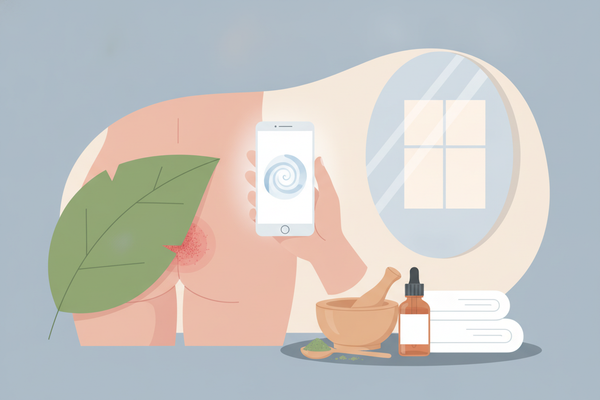
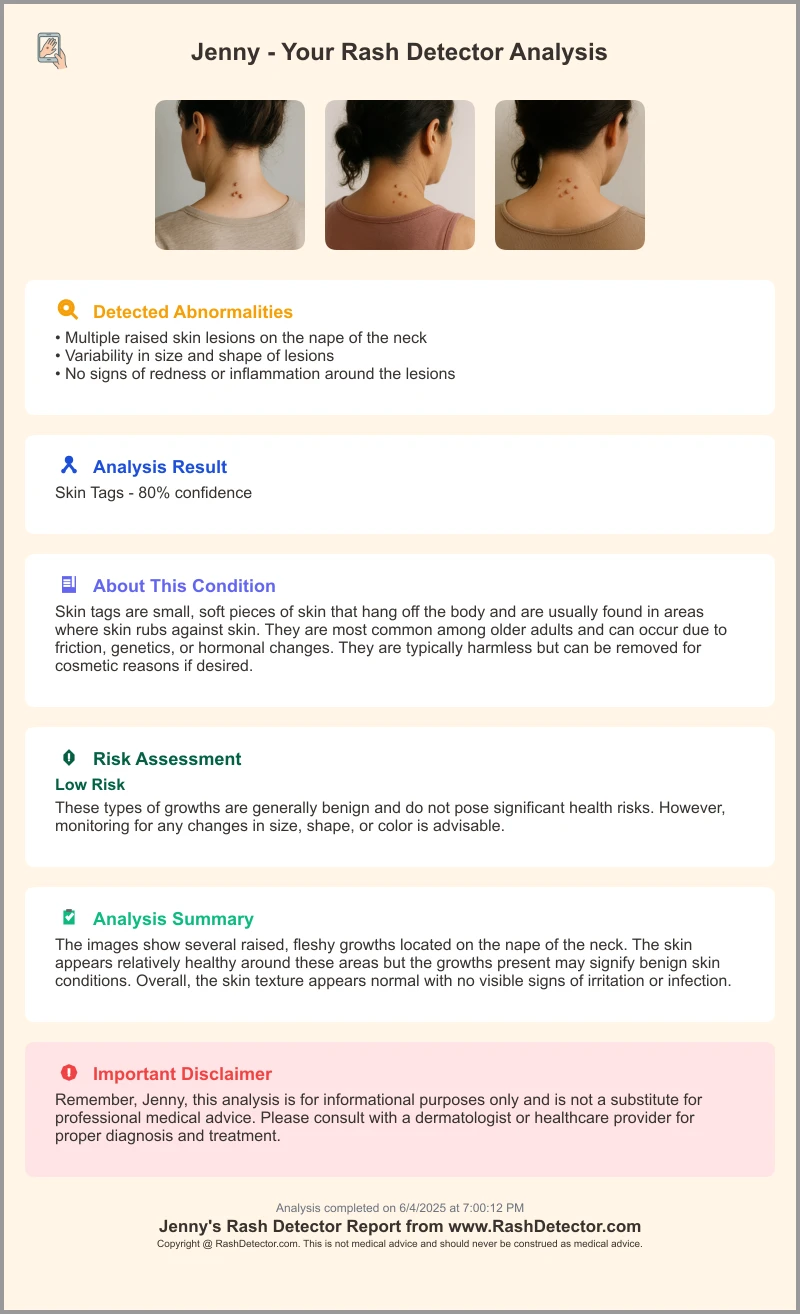
Use the AI skin analysis tool Rash Detector for an at-home, photo-based assessment and receive an instant, detailed sample report to guide your next steps.
Conclusion
Medication rash treatment hinges on swift identification, tailored interventions, and clear communication with healthcare professionals. By tracking symptoms, consulting before altering therapies, and documenting every reaction, you ensure safer, more effective care. If you suspect a drug-induced rash, contact your provider promptly to protect your health and maintain essential treatments.
FAQ
What causes medication-induced rashes?
These rashes result from immune-mediated or non-immune reactions to drugs, leading to histamine release, inflammation, or direct skin toxicity.
How quickly do rashes appear after starting a medication?
Most drug rashes develop within 1–3 weeks of initiating or changing the dose of a medication.
Can I treat a mild rash at home?
Yes, mild cases often respond to OTC antihistamines, topical corticosteroids, and cool compresses, but always inform your provider.
When should I seek emergency care?
If you experience breathing trouble, facial or tongue swelling, widespread blistering, or high fever, seek immediate medical attention.
How can I prevent future drug rashes?
Keep detailed dose and symptom logs, carry allergy documentation, share full medication lists at every visit, and consider allergy testing under professional guidance.