Medication Rash Treatment: A Comprehensive Guide to Identification and Management
Learn about medication rash treatment with our comprehensive guide, detailing identification, management, and preventive measures. Act fast for effective care.
Estimated reading time: 7 minutes
Key Takeaways
- Medication-induced rashes are skin reactions triggered by drugs like antibiotics, NSAIDs, antiseizure meds, and allopurinol.
- Early identification—watch for itching, redness, swelling, blisters, or fever after starting a new medication.
- Immediate steps include stopping the offending drug under medical supervision and using antihistamines or corticosteroids to ease symptoms.
- Preventive measures such as reviewing allergy history, starting low doses, and keeping a medication diary reduce future risks.
- Seek urgent care for symptoms like blistering, rapid rash spread, high fever, or difficulty breathing.
Table of Contents
- Introduction
- What Is a Medication-Induced Rash?
- Causes and Who’s at Risk
- How to Recognize and Diagnose a Drug Rash
- Medication Rash Treatment: Step-by-Step Care
- Preventing Future Medication Rashes
- FAQ
Introduction
Medication rash treatment begins with knowing what a drug rash is and how to act fast. A medication-induced rash is a skin reaction caused by prescription, over-the-counter, or supplemental drugs. This guide will help you identify, manage, and treat these rashes with clear, step-by-step advice on medication rash treatment.
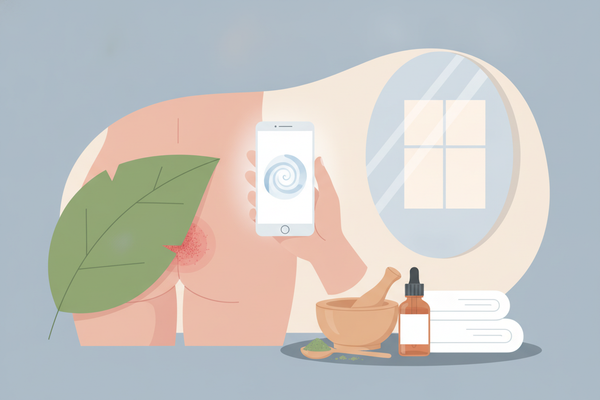
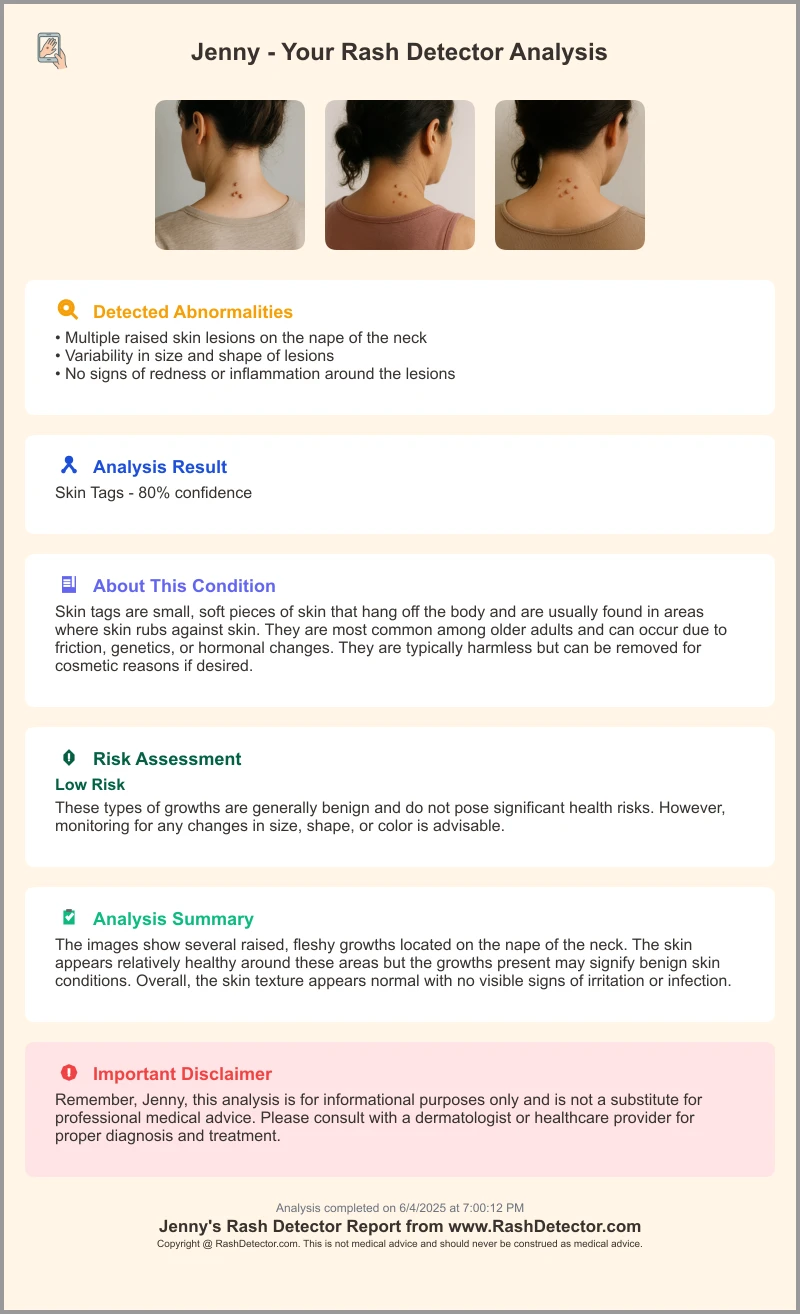
For instant, AI-assisted skin analysis, consider using Rash Detector, an AI Skin Analysis App that delivers a detailed report in seconds.
1. What Is a Medication-Induced Rash?
Understanding the Basics: A medication rash is a skin reaction caused by an adverse response to drugs. When your immune system or skin cells misidentify a medication, inflammation, itching, or a full-body rash can occur.
Common Presentations:
- Mild reactions: redness, itching, hives, measles-like spots, or fixed eruptions.
- Severe reactions: blistering, peeling skin, Stevens-Johnson syndrome (SJS), or toxic epidermal necrolysis (TEN).
Pro tip: Timing is key—drug-related rashes typically appear minutes to weeks after starting a new treatment.
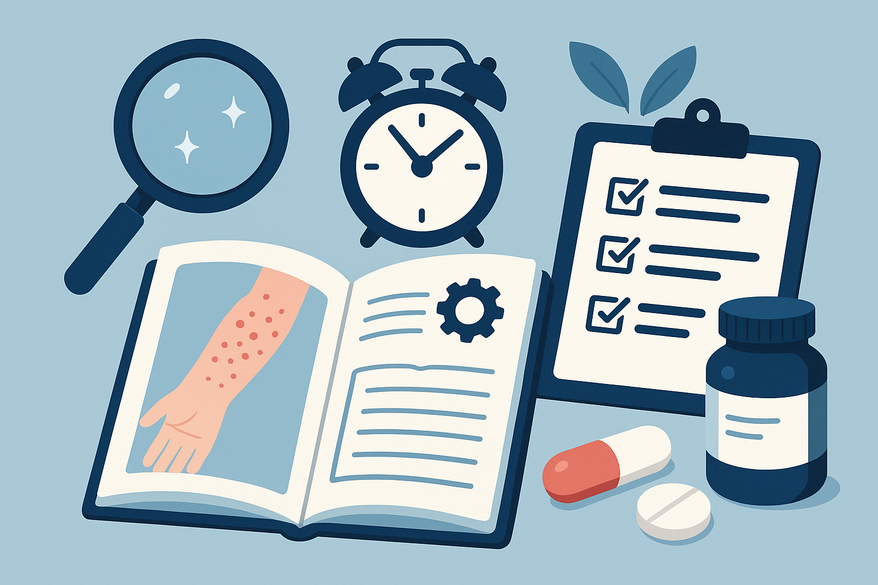
2. Causes and Who’s at Risk
Certain medications carry a higher risk of rash:
- Antibiotics (penicillins, sulfonamides)
- NSAIDs (ibuprofen, naproxen)
- Antiseizure meds (phenytoin, carbamazepine)
- Gout drugs (allopurinol)
Reactions can be:
- Allergic: immune-mediated histamine release.
- Non-allergic: direct toxicity or photosensitivity.
- Idiosyncratic: rare, unpredictable hypersensitivity.
Risk factors include past drug allergies, high doses, multiple concurrent medications, and age extremes.
3. How to Recognize and Diagnose a Drug Rash
Spot early warning signs:
- Itching, burning, or new redness after starting a drug.
- Swelling of the face, lips, or eyes.
- Fever or chills accompanying a rash.
Track your symptoms by photographing daily, logging timing and severity, and noting all medications.
Diagnosis involves a medical review of your drug history and may include patch testing or biopsy. For more on diagnosing drug-induced rashes, see expert guidelines.
Seek professional evaluation if you experience blistering, rapid spread, high fever, or respiratory issues.
4. Medication Rash Treatment: Step-by-Step Care
- Discontinue the Offending Drug
Always consult your provider before stopping any medication, especially critical ones like heart or seizure meds. - Over-the-Counter Remedies
Use antihistamines (e.g., loratadine), 1% hydrocortisone cream, fragrance-free moisturizers, cool compresses, and SPF 30+ sun protection. Compare OTC vs. prescription options. - Prescription Interventions
Oral corticosteroids (prednisone), high-potency topical steroids, and antibiotics for secondary infections. - When to Seek Urgent Care
If the rash spreads quickly, blisters, peels, or is accompanied by high fever or breathing difficulties, seek immediate help for possible SJS or TEN. - Coordinate with Your Provider
Discuss alternative drugs, allergy testing, desensitization strategies, and create an action plan for future rashes. Learn long-term strategies here.
5. Preventing Future Medication Rashes
Reduce risks with these proactive steps:
- Review Allergy History: Inform every provider about past drug reactions, including OTCs and supplements.
- Start Low and Go Slow: Begin new drugs at the lowest effective dose and monitor for 2–4 weeks.
- Keep a Medication Diary: Log drug names, doses, start dates, and side effects; share at appointments.
- Consider Patch Testing: An allergist can test small amounts of a drug on your skin.
- Schedule Regular Check-Ins: Follow up 1–2 weeks after starting new medications and report skin changes immediately.
FAQ
- What causes medication-induced rashes?
They arise when the immune system or skin cells react adversely to a drug, leading to inflammation and various rash patterns. - How quickly do drug rashes appear?
Symptoms can show up within minutes to several weeks after initiating a new medication. - Should I stop taking my medication if I get a rash?
Never stop critical medications without consulting your provider. For non-essential drugs, you may pause under guidance to see if the rash improves. - How are drug rashes diagnosed?
Diagnosis involves reviewing your medication history, skin tests (patch or biopsy), and sometimes blood work to rule out infections. - Can medication rashes be prevented?
Yes. Keep an updated allergy history, start new medications at low doses, maintain a medication diary, and consider allergy testing.