Medication Rash Treatment: A Comprehensive Guide to Identification and Management
Learn how to identify and manage medication rash treatment with expert tips to prevent serious outcomes and ensure safe, effective care.
Estimated reading time: 10 minutes
Key Takeaways
- Early recognition of drug rashes is vital to prevent serious complications like SJS/TEN.
- Understand the mechanisms, triggers, types, and risk factors behind medication-induced rashes.
- A thorough diagnostic process includes history, lab tests, patch testing, and biopsies when needed.
- Treatment follows a stepwise approach: safe drug cessation, OTC/home care, and prescription therapies.
- Prevent future incidents with low-dose starts, diligent documentation, and targeted follow-up testing.
- Recognize red-flag symptoms for emergency intervention in anaphylaxis or severe cutaneous reactions.
Table of Contents
- Introduction
- Understanding Medication-Induced Rashes and Medication Rash Treatment
- Identification and Diagnosis in Medication Rash Treatment
- Treatment Strategies for Medication Rash Treatment
- Managing and Preventing Future Incidents in Medication Rash Treatment
- When to Seek Medical Help for Medication Rash Treatment
- Conclusion: Key Takeaways for Medication Rash Treatment
- Additional AI Analysis
Section I: Introduction
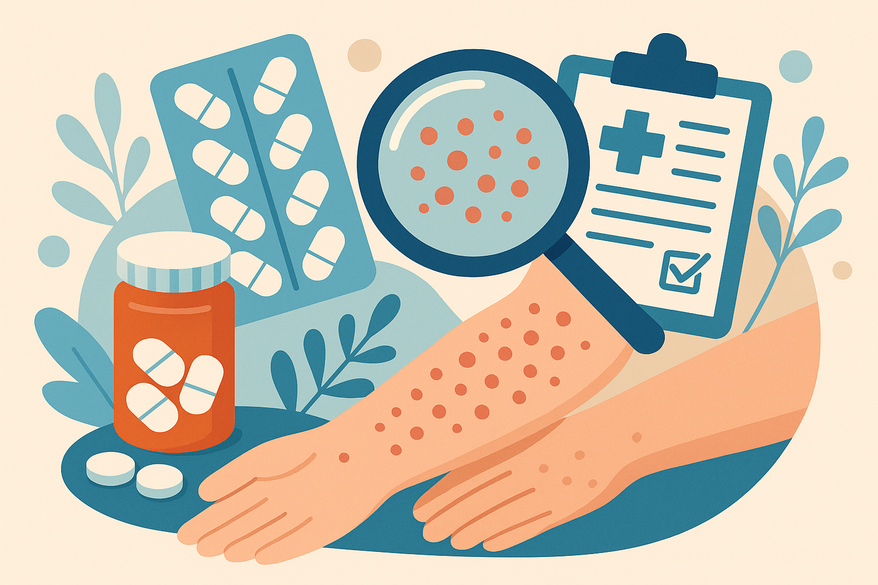
Medication-induced rashes are cutaneous reactions that can range from mild redness or hives to life-threatening Stevens-Johnson syndrome (SJS) and toxic epidermal necrolysis (TEN). They often appear days to weeks after starting a new drug, so early recognition is crucial.
Stop progression, ease discomfort, and prevent serious outcomes by learning to identify warning signs and acting quickly. According to the Merck Manual, these reactions manifest in diverse ways, from tiny red bumps to widespread blistering. Johns Hopkins Medicine emphasizes that rapid management and prevention strategies dramatically reduce complication risks.
In this guide, you will learn how to:
- Understand how drug rashes form
- Spot warning signs and know when to seek help
- Use home remedies, OTC options, and prescription treatments
- Prevent future reactions through smart dosing and clear documentation
Section II: Understanding Medication-Induced Rashes and Medication Rash Treatment
To manage medication rash treatment, you must first know why reactions occur and what forms they take.
1. Mechanisms of Rash Formation
- Allergic hypersensitivity: IgE-mediated immune attack on the drug.
- Non-allergic hypersensitivity: T-cell–driven inflammation without IgE.
- Both pathways release histamine and cytokines from skin cells.
2. Common Triggers for Medication Rashes
- Antibiotics: Penicillin, cephalosporins
- Anticonvulsants: Carbamazepine, phenytoin
- NSAIDs: Ibuprofen, naproxen
- Sulfa drugs: Sulfamethoxazole
- Herbal supplements: St. John’s wort, kava
For more on recognizing drug-related triggers, see Identifying and Managing Drug-Induced Rash Symptoms.
3. Types of Medication-Induced Rashes
- Morbilliform eruptions: Maculopapular, measles-like red spots
- Urticaria (hives): Itchy wheals and transient swelling
- Fixed drug eruptions: Recurrent lesions at the same spot
- Severe forms (SJS/TEN): Blistering, peeling, mucosal ulcers
Sources:
4. Risk Factors for Medication Rashes
- Genetic predisposition (HLA gene links)
- Age extremes: Children and seniors
- Polypharmacy: Multiple drugs increase risk
- Autoimmune or immune disorders
Sources:
Section III: Identification and Diagnosis in Medication Rash Treatment
1. Signs & Symptoms
- Skin changes: Redness, papules, itching, hives, vesicles
- Pattern & distribution: Starts on trunk, may spread; target lesions
- Systemic clues: Fever, joint pain, lymphadenopathy
Source: Merck Manual
2. Timing & Medication History
- Log onset date of rash vs. start/stop dates of all drugs (prescription, OTC, supplements)
- Note any dose changes or new combinations
3. Diagnostic Process
- Medical history review by dermatologist or allergist
- Lab tests: CBC, liver and kidney panels
- Skin patch testing for delayed reactions
- Skin biopsy when unclear or severe
- Specialist input for complex cases
Source: Johns Hopkins Medicine
Section IV: Treatment Strategies for Medication Rash Treatment
1. Immediate Steps
- Discontinue the suspect drug under provider guidance—never stop essential meds on your own.
- Confirm alternative treatments if it’s a critical medication.
Source: Merck Manual
2. Over-the-Counter & Home Care
- Oral antihistamines: Cetirizine or diphenhydramine for itching
- Topical steroids: Hydrocortisone 1% or triamcinolone 0.1% cream
- Supportive measures:
- Cool baths with oatmeal or baking soda
- Fragrance-free, hypoallergenic moisturizers
- Loose, breathable cotton clothing
For a deeper dive into OTC vs prescription options.
3. Prescription Therapies
- Systemic corticosteroids: Prednisone taper for moderate to severe rashes
- Immunomodulators: Cyclosporine for stubborn reactions
- Emergency interventions:
- Epinephrine injection for anaphylaxis
- Hospital admission for SJS/TEN: IV fluids, burn-unit care, skin grafts
Sources: Dermatology Seattle, IU Health
4. Following a Provider Plan
- Adhere strictly to the prescribed taper schedule and follow-up visits
- Avoid cross-reactive drugs; ask provider about safe alternatives
Section V: Managing and Preventing Future Incidents in Medication Rash Treatment
1. Lifestyle & Dosing Strategies
- Start new medications at the lowest effective dose
- Monitor skin daily for 2–4 weeks after initiation
- Use hypoallergenic, fragrance-free skin products
- Avoid known skin irritants like harsh soaps
2. Communication & Documentation
- Keep a medication diary with:
- Drug names and doses
- Start/stop dates
- Photos of rash progression
- Notes on relief measures and outcomes
- Always inform new providers about past drug reactions
For ongoing prevention strategies, see 10 Expert Tips to Prevent Recurring Rashes.
3. Follow-Up & Testing
- Schedule skin prick or patch testing to identify culprit drugs
- Consult an allergist or dermatologist for recurrent or severe reactions
Section VI: When to Seek Medical Help for Medication Rash Treatment
1. Anaphylaxis Indicators
- Difficulty breathing or swallowing
- Rapid swelling of face, lips, tongue, or throat
2. SJS/TEN Warning Signs
- Rapid onset of widespread blistering and skin peeling
- Painful mucosal ulcers (mouth, eyes, genitals)
- High fever and overall weakness
3. Infection or Systemic Complications
- Pus or yellow crusting on rash sites
- Skin feels warm, tender, or increasingly painful
- Signs of shock: low blood pressure, confusion
4. Emergency Action Plan
- Call 911 or local emergency services at first sign of anaphylaxis or SJS/TEN
- Inform ER staff about your medication history and rash progression
Sources: Merck Manual, Johns Hopkins Medicine
Section VII: Conclusion: Key Takeaways for Medication Rash Treatment
Medication rash treatment hinges on early detection, safe drug cessation, and a stepwise therapy approach. By:
- Tracking skin changes and medication dates
- Combining OTC relief with prescription options
- Maintaining detailed records and sharing with providers
- Acting fast on red-flag symptoms
You can effectively manage current reactions and prevent future ones. Always partner with healthcare professionals for tailored advice, and treat each reaction as an important clue to safer medication use.
Additional AI Analysis
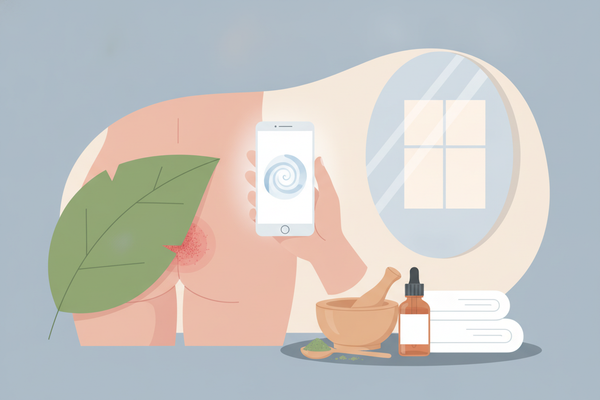
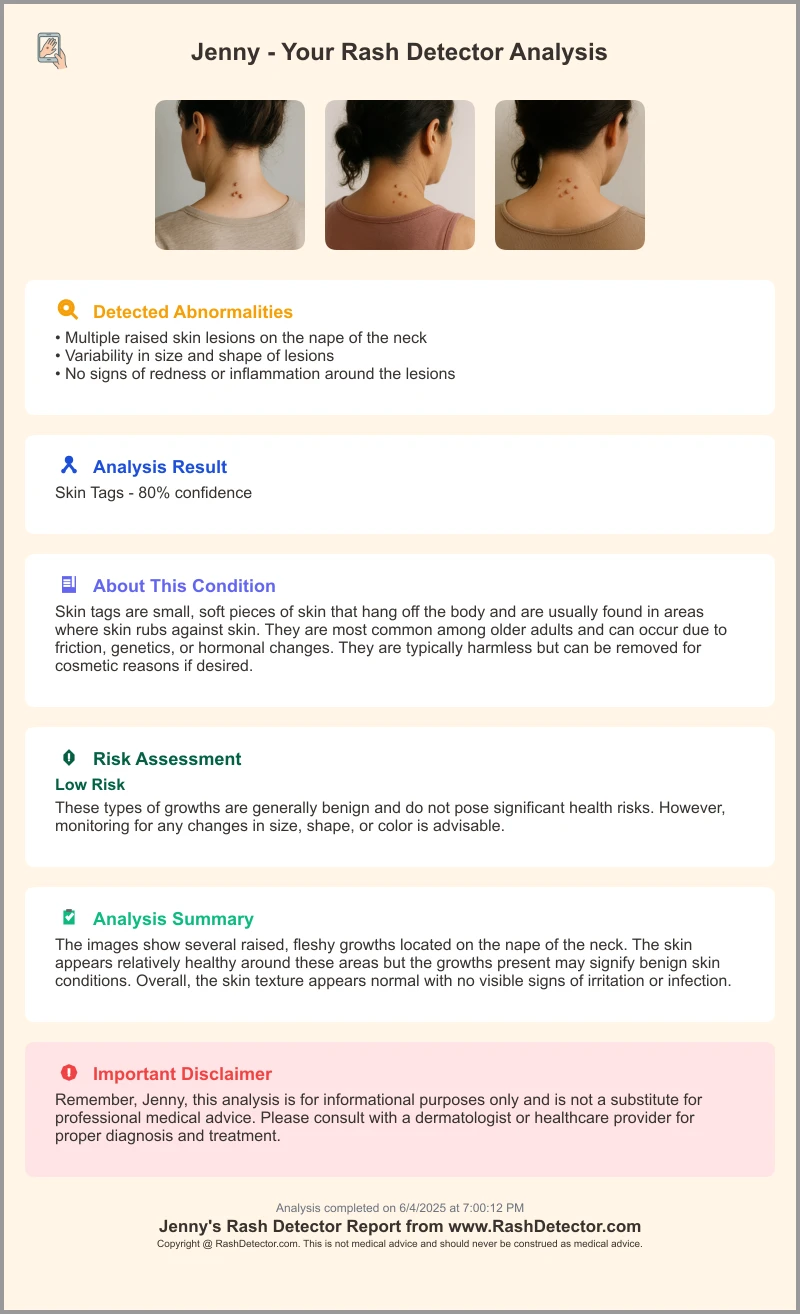
For a quick, AI-driven overview, upload images to the Skin Rash App Rash Detector and review the results in a concise sample report.
FAQ
What are the early signs of a severe medication-induced rash?
Watch for rapidly spreading blistering, mucosal ulcers, high fever, or systemic symptoms like joint pain and swollen lymph nodes. These red flags could indicate SJS/TEN and require immediate medical attention.
How long after starting a medication can a rash appear?
Typically, rashes emerge days to weeks after initiation, depending on your immune response and the drug. Always track symptom onset alongside medication dates to pinpoint the culprit.
Can I use home remedies safely for mild drug rashes?
Yes. Cool oatmeal baths, hypoallergenic moisturizers, and OTC antihistamines or low-strength topical steroids can ease itching and inflammation for mild eruptions.
How do I prevent future medication rashes?
Maintain a detailed medication diary, start new drugs at the lowest effective dose, inform all providers of past reactions, and consider allergy testing to identify specific triggers.