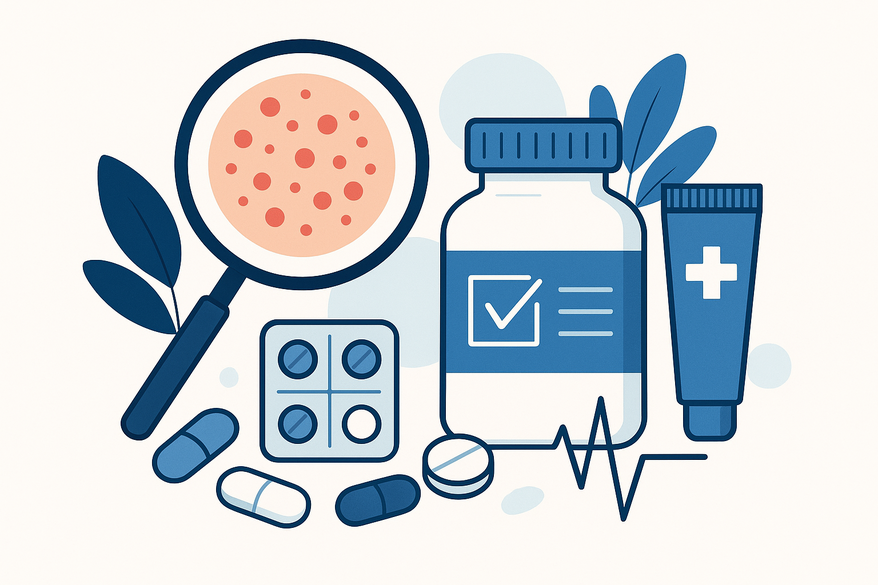
Medication Rash Treatment: A Comprehensive Guide
Learn effective medication rash treatment to manage drug-induced rashes safely with swift identification and proper management techniques.
Estimated reading time: 7 minutes
Key Takeaways
- Early recognition of drug-induced rashes is crucial to prevent severe complications like anaphylaxis or SJS/TEN.
- Discontinue the culprit medication promptly and switch to safer alternatives under medical supervision.
- Symptomatic relief can be achieved with antihistamines, topical corticosteroids, and supportive care.
- When in doubt, red-flag symptoms such as widespread blistering or respiratory distress warrant immediate attention.
- Preventive strategies include thorough allergy history review, patch testing, and careful dose escalation.
Table of Contents
- Understanding Medication-Induced Rashes
- Identifying a Medication-Induced Rash
- When to Seek Medical Advice
- Management and Treatment Options
- Balancing Underlying Condition Management
- Preventive Measures and Advice
- AI-Assisted Preliminary Assessment
- Conclusion
- FAQ
Understanding Medication-Induced Rashes
Mechanisms of rash development
• Hypersensitivity reactions (Types I–IV) trigger histamine and cytokine release.
• Immediate urticaria or angioedema appear within minutes to hours.
• Delayed morbilliform or maculopapular rashes show up 4–14 days after starting the drug.
• Direct cutaneous toxicity damages keratinocytes, resulting in redness and peeling.
Timeline distinction
• Immediate (minutes–hours): hives, swelling, itching.
• Delayed (days–weeks): measles-like spots and raised bumps.
Common offending drugs
• Antibiotics: penicillins, sulfonamides
• Anticonvulsants: phenytoin, carbamazepine
• NSAIDs: ibuprofen, naproxen
• Others: barbiturates, iodides, bromides, isoniazid
Risk factors
• Personal or family history of drug allergies
• Genetic markers (HLA alleles linked to SJS/TEN)
• Age extremes: children and elderly at higher risk
• Polypharmacy and chronic illnesses (HIV, autoimmune disorders)
Effective medication rash treatment relies on understanding why the skin reacts and who is most at risk. Source: Merck Manuals.
Identifying a Medication-Induced Rash
Key symptoms and signs
• Pruritus (intense itching)
• Erythematous macules and papules (red spots and bumps)
• Urticarial wheals (hives)
• Scaling or exfoliative dermatitis (peeling skin)
• Tense bullae or mucosal ulcers in SJS/TEN
Distinguishing drug rash vs. other dermatoses
• Timing linked to medication start or stop
• Initial trunk involvement, then symmetric spread to limbs
• Non-contagious (unlike viral exanthems or bacterial infections)
Patient self-monitoring tips
• Keep a daily rash log with date, affected areas, and meds taken
• Photograph spots and swelling for doctor review
• Note associated symptoms (fever, joint pain)
Early identification and proper drug rash treatment help avoid misdiagnosis and ensure fast relief. For more on recognizing key features, see Identifying and Managing Drug-Induced Rash Symptoms.
When to Seek Medical Advice
Red-flag symptoms
• Respiratory distress or wheezing
• Facial or throat swelling (anaphylaxis risk)
• Widespread blistering and skin detachment
• Painful mucosal ulcers in mouth or eyes
• High fever and rapid heartbeat
Diagnostic workup overview
• Detailed medication history and timeline mapping
• Skin biopsy to confirm drug eruption type
• Blood tests: eosinophil count (DRESS syndrome marker)
• Drug dechallenge (stop drug) and supervised rechallenge if needed
Professional evaluation ensures correct diagnosis, rules out mimics, and plans safe drug alternatives.
Management and Treatment Options
Core principle: Stop the offending drug promptly. Rashes often clear in days to weeks once the trigger is removed.
Over-the-Counter Remedies
- Antihistamines to reduce itch and hives (cetirizine, diphenhydramine, loratadine)
- Low-potency topical corticosteroids (hydrocortisone 1%)
- Supportive care: cool compresses, gentle emollients, nail covers or gloves
Prescription Medication Options
- Systemic corticosteroids (e.g., prednisone taper)
- High-potency topical steroids (triamcinolone 0.1%)
- Epinephrine auto-injector for anaphylaxis rescue
- Immunomodulators for severe eruptions (cyclosporine, IVIG)
For strategies on complex cases, refer to Managing Drug Allergy Rash.
Balancing Underlying Condition Management
- Work with your clinician to find safer drug alternatives (e.g., macrolide instead of penicillin).
- Use graded drug challenges or desensitization protocols when the drug is essential.
- Maintain open communication: report new symptoms early and review lab markers if needed.
Preventive Measures and Advice
Pre-prescription strategies
• Review full allergy and drug-reaction history with your provider.
• Ask for patch testing or in-vitro assays for high-risk drugs.
• Begin high-risk medications at low doses and increase slowly.
Patient-doctor/pharmacist communication
• Prepare clear questions: “Which alternatives are safe?” “What rash warning signs should I watch?”
• Wear an allergy alert bracelet and keep an updated medication list.
• Avoid unsupervised OTC meds without consultation.
衣装の候補を絞る場合は、サイズ、素材、装飾、付属品を同じ基準で見比べることが大切です。商品仕様や選び方を比べたい場合は、ハロウィン コスプレ 衣装 通販から関連情報を確認できます。注文前に使用日と発送予定を照らし合わせ、試着や調整に使える時間も確保しておくと安心です。
AI-Assisted Preliminary Assessment
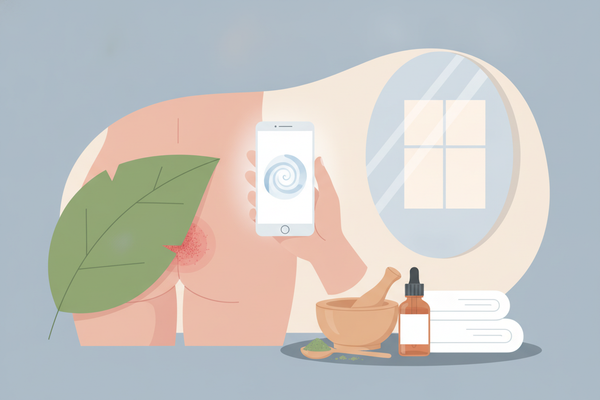
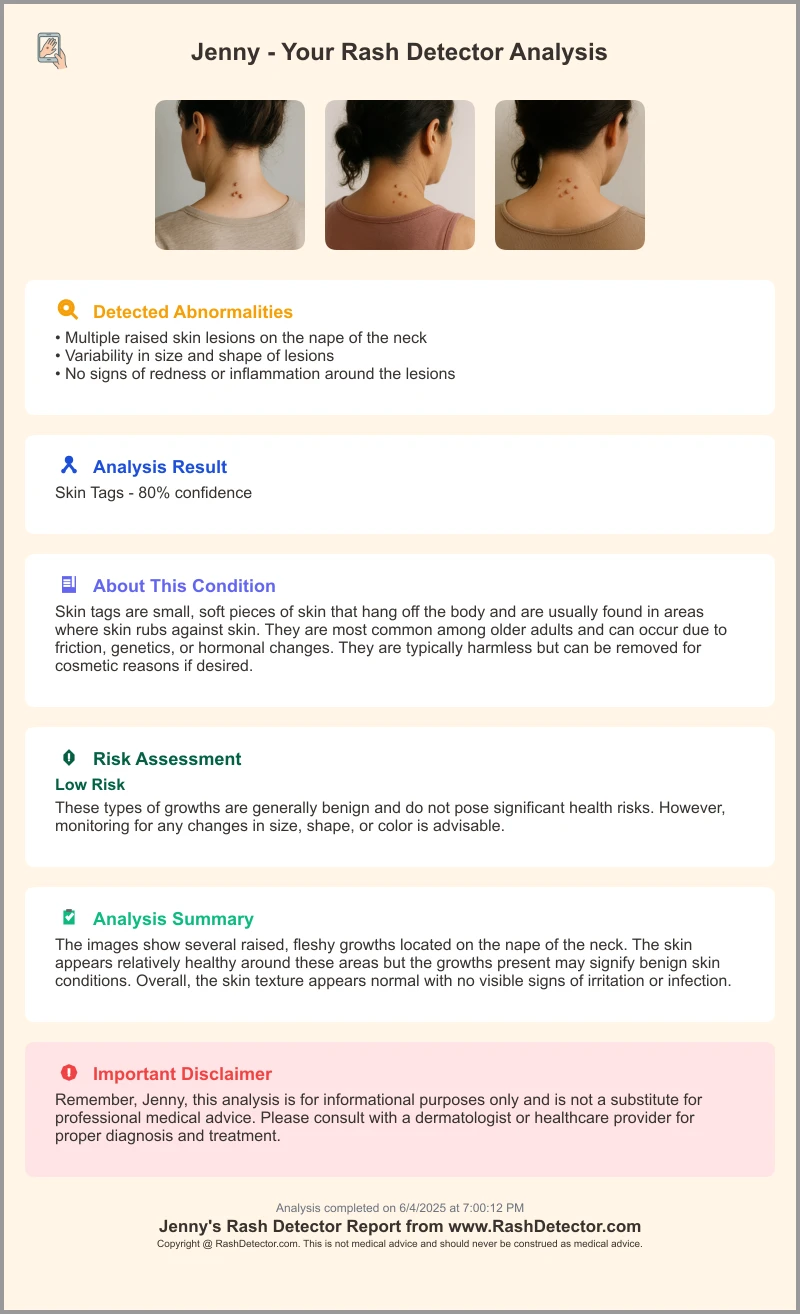
For a quick preliminary assessment, consider uploading your rash photos to Skin Rash App, which provides an instant AI-based analysis.
Conclusion
Timely medication rash treatment starts with knowing the signs, stopping the culprit drug, and easing symptoms with antihistamines and corticosteroids. Professional evaluation and tailored therapy prevent serious outcomes like anaphylaxis or SJS/TEN. Always talk with your healthcare provider about your risks and management plan. Early action keeps you safe and on the path to health.
FAQ
- What causes medication-induced rashes?
They result from immune-mediated hypersensitivity or direct toxicity to skin cells triggered by certain drugs. - How long does a drug rash take to clear?
Most rashes improve within days to weeks after discontinuation of the offending drug, depending on severity and treatment. - Can I continue my medication if I develop a rash?
Consult your healthcare provider. They may switch you to a safer alternative or adjust the dose. - When should I seek emergency care?
Seek immediate help for symptoms like facial swelling, difficulty breathing, widespread blistering, or high fever. - How can I prevent future rashes?
Maintain an updated allergy history, use patch testing for high-risk drugs, and start new medications at low doses.