Effective Medication Rash Treatment: Comprehensive Guide
Discover effective medication rash treatment strategies to manage drug-induced rashes, ensuring patient safety and comfort with clear, actionable guidance.
Estimated reading time: 7 minutes
Key Takeaways
- Medication-induced rashes can range from mild to life-threatening and require prompt recognition.
- Common triggers include allergic reactions, direct toxicity, and photosensitivity.
- Key symptoms: erythema, pruritus, urticaria, blistering, and mucosal involvement.
- Identification relies on morphology, timing, and distribution, with urgent care for red-flag signs.
- Treatment spans from self-care and OTC remedies to prescription therapies under medical supervision.
- Preventive measures and careful medication management reduce future risk.
Table of Contents
- Introduction
- What Are Medication-Induced Rashes?
- Common Causes & Triggers
- Signs & Symptoms
- Identifying a Medication-Induced Rash
- Approaches to Medication Rash Treatment
- When to Consult a Healthcare Professional
- Preventive Steps & Alternatives
- Conclusion
- Additional Resources
- FAQ
Medication-induced rashes are adverse skin reactions triggered by prescription or over-the-counter drugs, ranging from mild irritation to life-threatening Stevens-Johnson syndrome Mayo Clinic. Understanding medication rash treatment is crucial for patient safety and prompt care. This guide offers clear, actionable guidance on identifying and managing medication-induced rashes to reduce complications and discomfort.
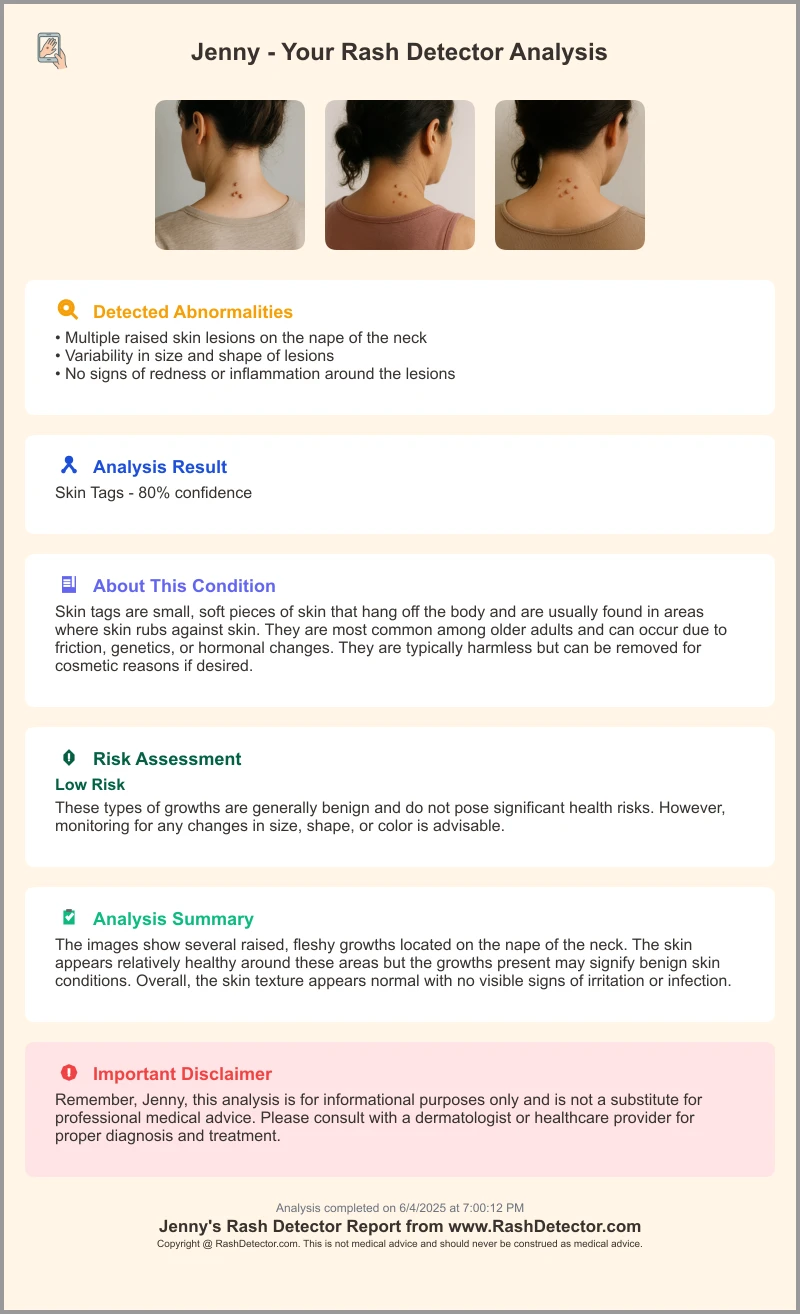
For personalized, photo-based assessments, the Rash Detector AI Skin Analysis App offers instant, detailed sample reports upon uploading your rash images.
What Are Medication-Induced Rashes?
Medication-induced rashes are cutaneous eruptions directly caused by a drug or its metabolites. Recognizing these drug-related eruptions is the first step in effective medication rash treatment.
- Immune-mediated responses: The immune system mistakes the drug for an antigen, releasing histamine and inflammatory mediators that cause redness, swelling, and itching NCBI.
- Non-immune/toxic responses: Direct irritation of keratinocytes from drug or metabolite accumulation leads to toxic erythema and cell damage WebMD.
Common Causes & Triggers
Medication rash treatment begins with understanding the main reaction types and their common triggers.
- Allergic Reactions: Antibody (IgE) or T-cell mediated responses requiring prior sensitization. Common offenders include penicillins, sulfonamides, cephalosporins, and NSAIDs.
- Direct Toxic Effects: Skin toxicity when drug concentration exceeds cutaneous tolerance. Common offenders include chemotherapy agents (methotrexate), high-dose antibiotics, and topical anesthetics.
- Photosensitivity: Medications that increase UV sensitivity, provoking rash on sun-exposed areas. Common offenders include tetracyclines, sulfonamides, and thiazide diuretics.
Signs & Symptoms
Early recognition of symptoms is vital for successful medication rash treatment.
- Erythema (redness): Capillary dilation in the dermis leading to flushed skin.
- Pruritus (itching): Histamine-driven nerve stimulation causing an urge to scratch.
- Urticaria (hives): Raised, red wheals often with central pallor and angioedema risk.
- Blistering/Peeling: Epidermal detachment seen in severe cases like Stevens-Johnson syndrome.
- Mucous Membrane Involvement: Lesions in mouth, eyes, and genitals signal a serious reaction.
For an in-depth look at identifying drug-induced rash symptoms.
Identifying a Medication-Induced Rash
Accurate identification differentiates drug eruptions from other skin conditions and guides medication rash treatment.
- Morphology: Morbilliform (measles-like), urticarial, fixed drug eruption (localized dark patch), blistering.
- Timing Correlation: Onset typically hours to weeks after starting or changing dosage.
- Anatomical Distribution: Generalized vs. localized (e.g., sun-exposed areas in photosensitivity).
Distinction is aided by maintaining a symptom log and tracking onset. Rule out infections and contact dermatitis through history and exam.
Red Flags Requiring Urgent Care: Widespread blistering, respiratory distress, facial swelling, fever, and mucosal erosions NCBI.
Approaches to Medication Rash Treatment
A tiered management strategy ensures safe and effective medication rash treatment.
- Remove the Trigger: Discontinue or adjust the suspected drug under medical supervision; substitute with an alternative class if needed.
- Immediate Self-Care: Cool compresses, gentle cleansers, and fragrance-free emollients.
- Over-the-Counter Options: Oral antihistamines (cetirizine), calamine lotion, or low-potency corticosteroids.
- Prescription Therapies: Systemic corticosteroids (prednisone taper), epinephrine for anaphylaxis, specialist referral for patch testing.
For strategies on long-term management and prevention, refer to managing drug allergy rash.
When to Consult a Healthcare Professional
Knowing when to seek help is a key aspect of medication rash treatment and patient safety.
- New rash within 1–2 weeks of starting medication.
- Rapidly spreading or intensifying rash despite OTC care.
- Systemic symptoms: fever, lymphadenopathy, difficulty breathing.
- Signs of Stevens-Johnson Syndrome/TEN: mucosal involvement, widespread blistering.
Preventive Steps & Alternatives
- Documentation & Communication: Keep an allergy/medication list current; wear a medical alert bracelet if severe.
- Lowest Effective Dose: Start new meds at minimal therapeutic levels and monitor closely.
- Non-Pharmacological Options: Barrier creams and lifestyle modifications like sun avoidance.
Conclusion
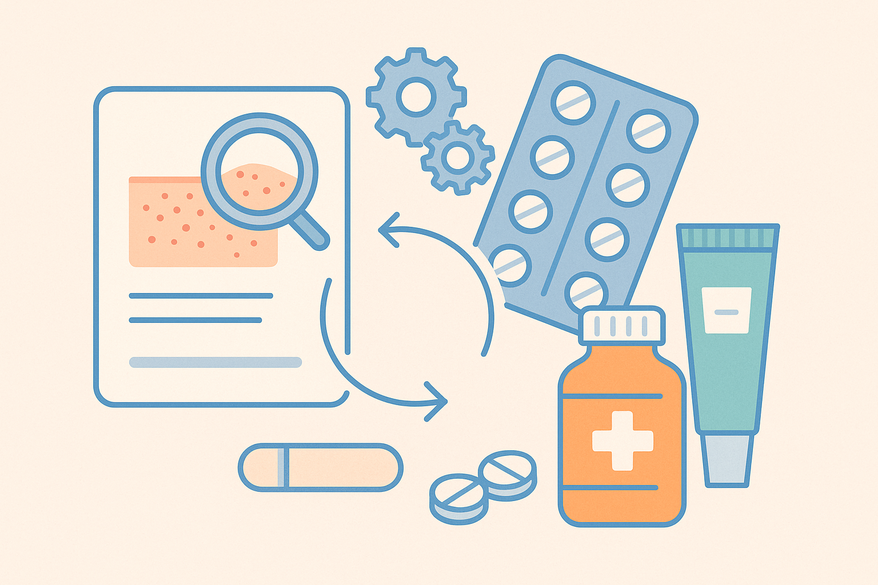
Early recognition, stepwise management, and prevention are cornerstones of effective medication rash treatment. Summarize steps: discontinue trigger → self-care/OTC → prescription therapies. Red flags like widespread blistering or systemic symptoms demand urgent care. Prevention through allergy lists and cautious drug introduction helps avoid future reactions. Medication rash treatment is essential for patient safety and comfort—consult healthcare professionals for personalized plans.
Additional Resources
- NCBI Clinical Overview
- Mayo Clinic Drug Allergy Center
- WebMD Drug Rash Guide
- DermNet Drug Eruptions Topic
FAQ
How Long Does Recovery Take?
Mild cases often resolve in days to two weeks; severe reactions may take weeks to months.
Can Medication Rashes Recur?
Yes—avoid known triggers and chemically similar drugs; rechallenge should only occur under medical supervision.
What Relieves Discomfort?
Over-the-counter antihistamines, cool compresses, fragrance-free moisturizers, and prescription corticosteroids for severe symptoms.