Medication Rash Treatment: A Comprehensive Guide to Identifying and Managing Drug-Induced Rashes
Explore effective medication rash treatment strategies for identifying and managing drug-induced rashes. Learn how to recognize symptoms and implement care.

Estimated reading time: 5 minutes
Key Takeaways
- Identify early signs of drug-induced rashes by recognizing patterns and timing.
- Accurate diagnosis relies on medication history, physical exam, and targeted tests.
- Discontinue the culprit drug and use OTC/prescription therapies based on severity.
- Implement supportive home-care measures and monitor progress.
- Prevent future reactions with proper documentation, patient education, and pharmacogenomic screening.
Table of Contents
- Section 1: Understanding Medication-Induced Rashes
- Section 2: Identifying a Medication Rash
- Section 3: Diagnosis & When to Seek Medical Attention
- Section 4: Medication Rash Treatment Options
- Section 5: Management & Care Strategies
- Section 6: Prevention & Patient Education
- Conclusion
- FAQ
Section 1: Understanding Medication-Induced Rashes
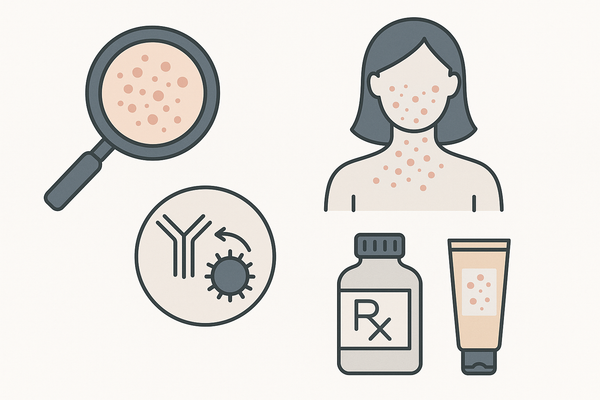
Medication-induced rashes, also known as cutaneous adverse drug reactions (CADRs), can arise from immune hypersensitivity, direct toxicity, or photosensitivity. Immune-mediated pathways include IgE-mediated (Type I) reactions like hives and T-cell–mediated (Type IV) eruptions. Non-immunologic toxicity may occur at high doses, causing erythema or necrosis, while photosensitivity—either phototoxic or photoallergic—triggers sunburn-like damage under UV exposure.
Common Culprit Drugs
- Antibiotics: Penicillins, sulfonamides
- Anticonvulsants: Carbamazepine, lamotrigine
- NSAIDs: Ibuprofen, naproxen
- Chemotherapy: Methotrexate, capecitabine
Distinguishing allergic from toxic reactions guides treatment—immune rashes may worsen on re-exposure, whereas toxic effects are dose-related and predictable.
Section 2: Identifying a Medication Rash
Early recognition hinges on rashes that present as erythema, urticarial wheals, maculopapular lesions, vesicles, or intense pruritus. Timing can be immediate (minutes to hours), accelerated (1–3 days), or delayed (weeks later).
Differential Diagnosis
- Viral exanthems often have fever and a diffuse distribution.
- Atopic dermatitis is chronic with flexural involvement.
- Contact dermatitis localizes to exposure sites.
- Drug rashes may spare the face and display a “Christmas tree” pattern.
Consider drug changes, dosage adjustments, and recurrence history to confirm a systemic cause. For tips on rash presentations, see identifying drug-induced rashes.
Section 3: Diagnosis & When to Seek Medical Attention
Clinicians begin with a comprehensive medication review—prescription, OTC, supplements—and past or family allergy history. Temporarily stopping nonessential drugs can confirm the culprit. Diagnostic tools include skin biopsy for histology, patch testing for Type IV reactions, and blood work for eosinophils or organ function.
Red Flags
- Anaphylaxis: respiratory distress, angioedema
- Rapid blister spread or mucosal erosions (SJS/TEN)
- High fever with organ dysfunction
Seek emergency care for breathing difficulty, swelling of lips or tongue, or skin peeling over more than 10% of body surface.
Section 4: Medication Rash Treatment Options
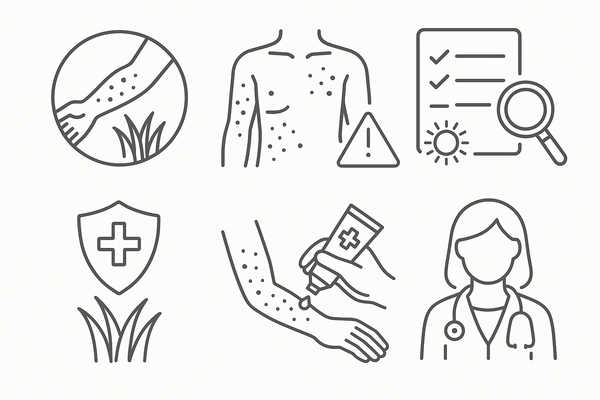
- Discontinue the Offending Drug—the cornerstone of management; consider alternative therapies under supervision.
- OTC Symptom Relief such as 1% hydrocortisone cream, calamine lotion, and oral antihistamines (diphenhydramine, cetirizine, loratadine). For top options, see OTC anti-itch guide.
- Prescription Therapies—topical or systemic corticosteroids; antibiotics for secondary infection.
- Severe Reactions—hospitalization for fluid balance and wound care; immunosuppressants like cyclosporine or IVIG.
- Cautions against abruptly stopping essential medications; taper steroids to avoid rebound.
Section 5: Management & Care Strategies
- Home Care: cool compresses, fragrance-free emollients, colloidal oatmeal baths, gentle clothing.
- Monitoring: maintain a rash journal and photo record to track progress.
- Follow-Up: schedule dermatology visits and adjust supportive care as needed.
Section 6: Prevention & Patient Education
- Document Reactions: carry an updated allergy list or medical alert jewelry.
- Safe Practices: read patient leaflets, introduce new drugs one at a time, and report early symptoms.
- Pharmacogenomics: consider HLA-B*1502 testing before carbamazepine in at-risk populations.
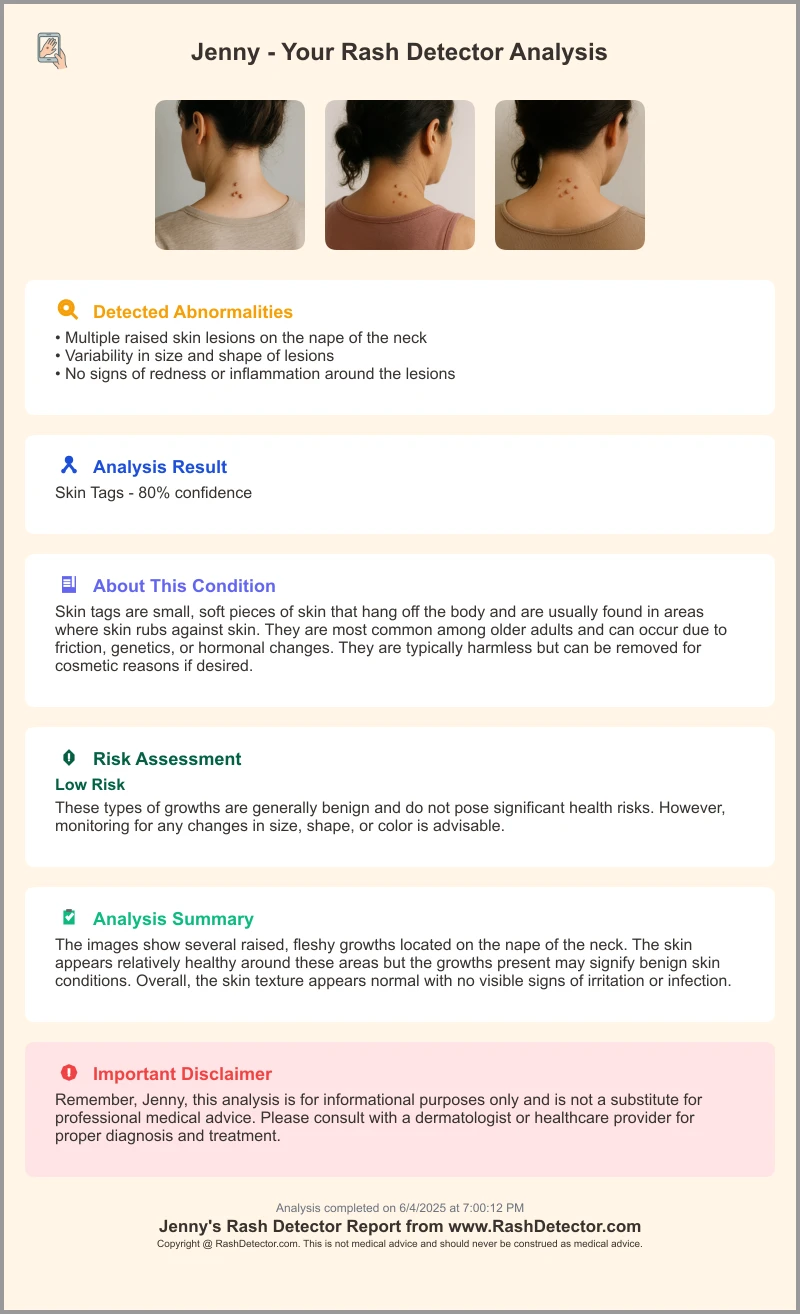
For a convenient preliminary evaluation, try our AI skin analysis tool: Rash Detector.
Conclusion
Prompt identification and management of drug rashes—through medication review, targeted diagnostics, and tailored treatments—reduce complications. Supportive care and patient education build long-term safety, ensuring better outcomes for those at risk of cutaneous adverse drug reactions.
FAQ
- What are the first signs of a drug-induced rash?
Look for redness, hives, small bumps or blisters appearing minutes to days after starting a medication, often accompanied by itching. - When should I stop the medication?
If you notice any severe symptoms—such as breathing difficulties, swelling, or rapidly spreading blisters—seek emergency care and stop the suspected drug under professional guidance. - Can I treat a mild rash at home?
Yes—use cool compresses, OTC hydrocortisone cream, calamine lotion, and oral antihistamines while monitoring your symptoms closely. - How can I prevent rashes before starting a new drug?
Discuss your allergy history with your provider, read leaflets for rash-inducing agents, and consider genetic testing if recommended.