Understanding Irritant Contact Dermatitis from Chemicals: Causes, Symptoms & Prevention
Discover how irritant contact dermatitis from chemicals develops, its symptoms, treatment options, and prevention strategies to protect your skin.

Estimated reading time: 6 minutes
Key Takeaways
- Irritant contact dermatitis from chemicals is a non–immune mediated skin inflammation caused by direct injury to the epidermis.
- It differs from allergic contact dermatitis by not requiring prior sensitization or T-cell involvement.
- Chemical irritants such as surfactants, strong acids/bases, and industrial agents can strip lipids and denature proteins in the skin barrier.
- Early signs include redness, swelling, burning, and fissuring—keeping a symptom diary may help identify triggers more quickly.
- Diagnosis is based on exposure history, lesion distribution, and exclusion of allergic causes, sometimes through patch testing.
- Treatment focuses on irritant removal, barrier repair with emollients, and short-course topical corticosteroids as advised by a healthcare provider.
- Prevention strategies include product substitution, proper PPE, barrier creams, and following Safety Data Sheets (SDS).
Table of Contents
- What Is Irritant Contact Dermatitis from Chemicals?
- How Chemicals Cause Irritant Contact Dermatitis
- Signs and Symptoms of Irritant Contact Dermatitis from Chemicals
- Diagnosis and Medical Considerations
- Treatment Options for Irritant Contact Dermatitis from Chemicals
- Prevention Strategies for Irritant Contact Dermatitis from Chemicals
- Conclusion
- Additional Resources
What Is Irritant Contact Dermatitis from Chemicals?
Keyword: irritant contact dermatitis from chemicals
Irritant contact dermatitis from chemicals is an inflammatory reaction caused by direct cytotoxic effects on the skin’s outer layer. Unlike allergic contact dermatitis, which is immune-mediated, this condition arises from physical or chemical damage to the epidermal barrier. The injury may occur even on first exposure if the irritant is sufficiently strong. With increased use of new industrial and household cleaning agents, awareness of potential irritants is important.
How Chemicals Cause Irritant Contact Dermatitis
Keyword: How Chemicals Cause Irritant Contact Dermatitis
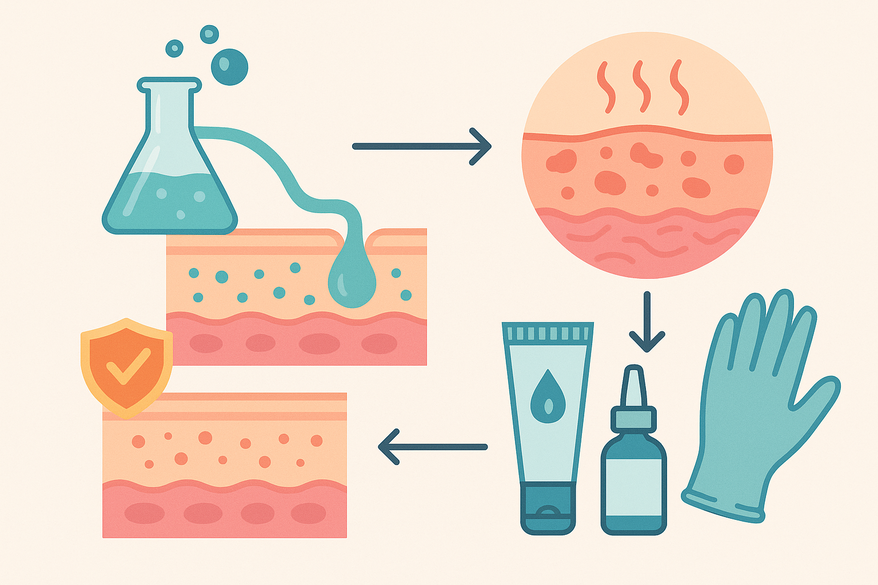
Chemical irritants compromise the skin barrier through several mechanisms:
- Lipid stripping: Surfactants (such as those found in cleaning products and personal care items) can remove essential skin lipids, weakening the barrier.
- Protein denaturation: Strong acids or bases—present in some concentrated disinfectants and industrial agents—can alter keratin structure and disrupt skin integrity.
- Increased TEWL (Transepidermal Water Loss): Damage to the barrier increases water loss, allowing deeper penetration of irritants and making the skin more vulnerable to further injury.
Some chemical irritants, including certain "green" cleaners and industrial solvents, can cause irritation even if labeled as non-toxic, so always check Safety Data Sheets (SDS) for skin hazard information.
Signs and Symptoms of Irritant Contact Dermatitis from Chemicals
Keyword: Signs and Symptoms of Irritant Contact Dermatitis from Chemicals
Early recognition is important. Look for:
- Redness and swelling (erythema and edema)
- Burning or stinging sensations
- Pain and fissuring (cracks in the skin)
- Dry, scaly patches or thickened skin (especially with chronic exposure)
- Sometimes blistering, especially with strong acids or alkalis
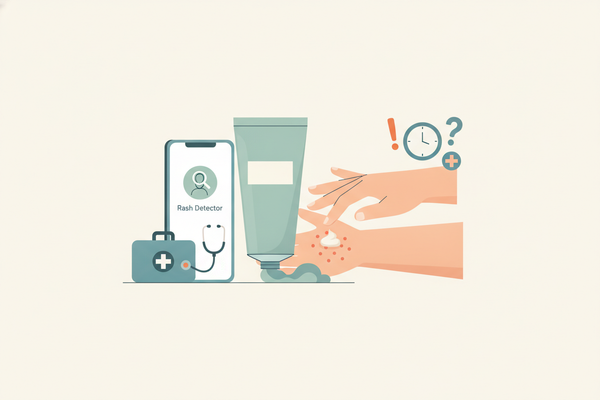
Maintaining a symptom diary—noting what chemicals you were exposed to, duration, and how your skin responded—can help you and your healthcare provider pinpoint triggers. Some digital health apps, including Rash Detector, offer symptom tracking features that can help you log exposures and flare-ups securely on your phone.
Diagnosis and Medical Considerations
Keyword: Diagnosis and Medical Considerations
The diagnostic approach may include:
- Detailed exposure history, including workplace and home chemical use (refer to SDS sheets for products)
- Distribution matching to contact areas (e.g., hands, forearms, face)
- Patch testing to help rule out allergic contact dermatitis, which is commonly used to distinguish irritant from allergic reactions
- Photopatch testing or skin biopsy in complex or unclear cases
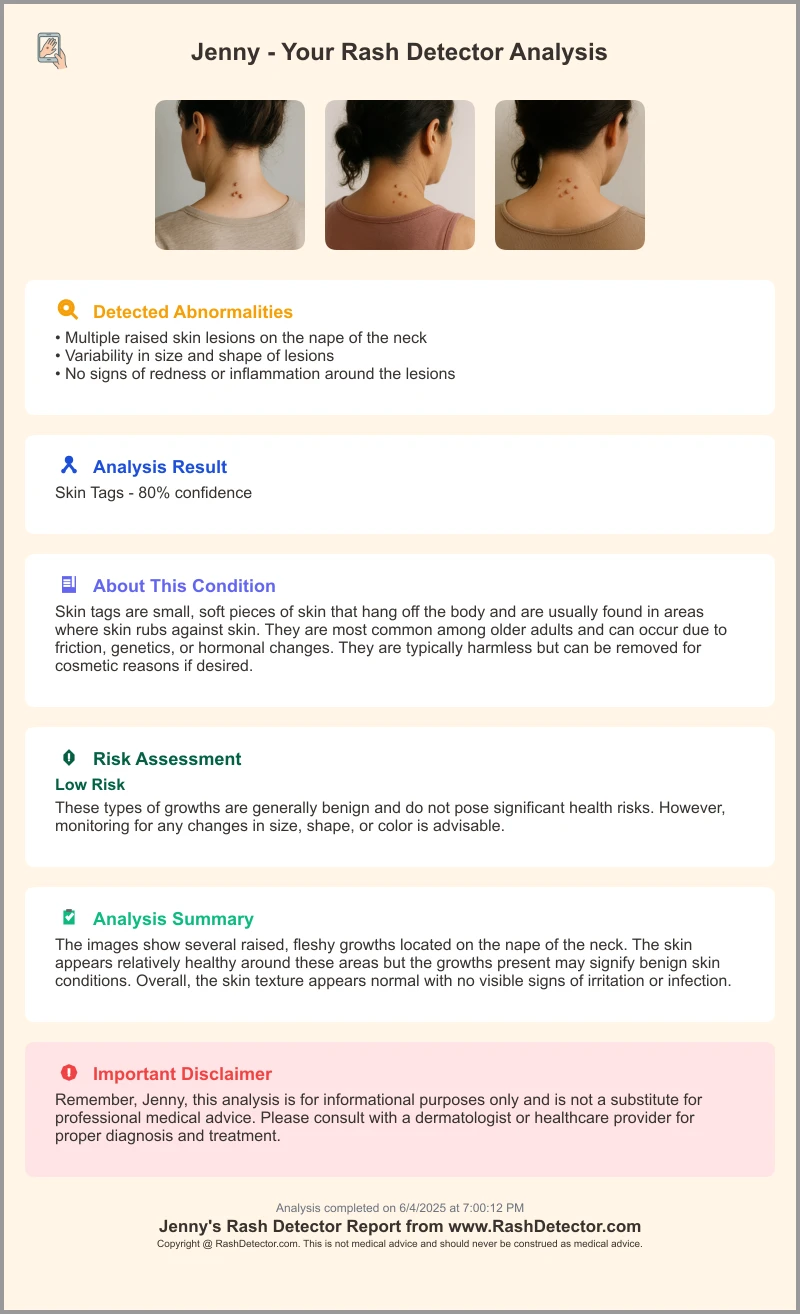
Some AI-powered skin analysis apps, such as Rash Detector, allow you to upload images and receive a sample report. These tools may support higher-resolution imaging and detection for various skin tones and lighting conditions. However, always consult a doctor or dermatologist for diagnosis and treatment, especially for severe, spreading, painful, or persistent symptoms.
Treatment Options for Irritant Contact Dermatitis from Chemicals
Keyword: Treatment Options for Irritant Contact Dermatitis from Chemicals
- Irritant removal: Discontinue or rinse away the offending agent immediately with lukewarm water. For workplace exposures, follow your employer’s safety protocols for chemical decontamination.
- Barrier repair: Use ceramide-rich emollients (available in hypoallergenic and fragrance-free formulations) to help restore the skin’s lipid layers. Apply after every wash and before bed.
- Topical corticosteroids: Short courses of low- to mid-potency steroids (such as hydrocortisone or triamcinolone) may reduce inflammation. Over-the-counter options are available in many countries, but prolonged use should be monitored by a healthcare provider.
- Oral agents: For severe or widespread flares, prescription oral medications (such as systemic corticosteroids or immunosuppressants) may be considered by your doctor. Non-steroidal anti-inflammatory creams (like topical calcineurin inhibitors) are also available for sensitive areas, as prescribed.
Do not attempt to self-diagnose or treat severe reactions. See a healthcare professional if your symptoms are severe, spreading, painful, or do not improve with basic care.
Prevention Strategies for Irritant Contact Dermatitis from Chemicals
Keyword: Prevention Strategies for Irritant Contact Dermatitis from Chemicals
- Avoidance & Substitution: Read product labels and SDS—replace harsh cleaners with pH-balanced or less irritating alternatives when possible. Many workplaces use digital SDS management apps for quick access.
- PPE & Safe Handling: Wear appropriate personal protective equipment (PPE) such as nitrile gloves, aprons, and face shields. Look for gloves rated for chemical resistance and skin sensitivity. Follow proper dilution, ventilation, and disposal guidelines as outlined in your product’s SDS.
- Barrier Reinforcement: Apply moisturizer after every handwash and consider overnight occlusion with cotton gloves for chronic hand dermatitis. Some barrier creams include advanced polymers for longer-lasting protection, but should always be used alongside PPE—not as a replacement.
For workplace-focused approaches, see work-related skin rash prevention and occupational dermatitis management guide. For home-based chemical exposures, refer to household chemical dermatitis guide.
Conclusion
Irritant contact dermatitis from chemicals is a non-immune mediated condition resulting from direct epidermal injury. Vigilance, early intervention, and consistent barrier care are important to minimize risk and control flare-ups. By making informed product choices and using proper protective measures, you can help keep your skin healthy and resilient. Always consult a doctor or dermatologist for diagnosis and treatment, especially if symptoms are severe, spreading, painful, or persistent.
Have you experienced workplace or household dermatitis? Share your questions or tips in the comments below.
Additional Resources
- National Eczema Association – Contact Dermatitis overview
- NHS – Contact Dermatitis causes & prevention
- American Academy of Family Physicians – Clinical review
- Johns Hopkins Medicine – Contact Dermatitis facts
FAQ
- What is the main difference between irritant and allergic contact dermatitis?
Irritant dermatitis is caused by direct chemical injury without prior sensitization, whereas allergic dermatitis is an immune response requiring sensitization to an allergen. - How soon do symptoms appear after exposure?
Symptoms can appear within minutes to hours, depending on irritant strength and skin condition. - When should I seek medical attention?
Consult a healthcare provider if symptoms worsen despite home care, spread beyond the contact area, or if you experience severe pain, blistering, or signs of infection. - Can barrier creams prevent dermatitis completely?
Barrier creams may reduce risk but should be combined with PPE, safe handling practices, and product substitution for best protection. No single measure is 100% effective, especially with strong or prolonged exposures.