Understanding the Impact of Microbiome on Skin Health: Rash Occurrence Explained
Explore how the impact of microbiome on skin health affects rash occurrence, with insights on maintaining balance to prevent common skin issues.

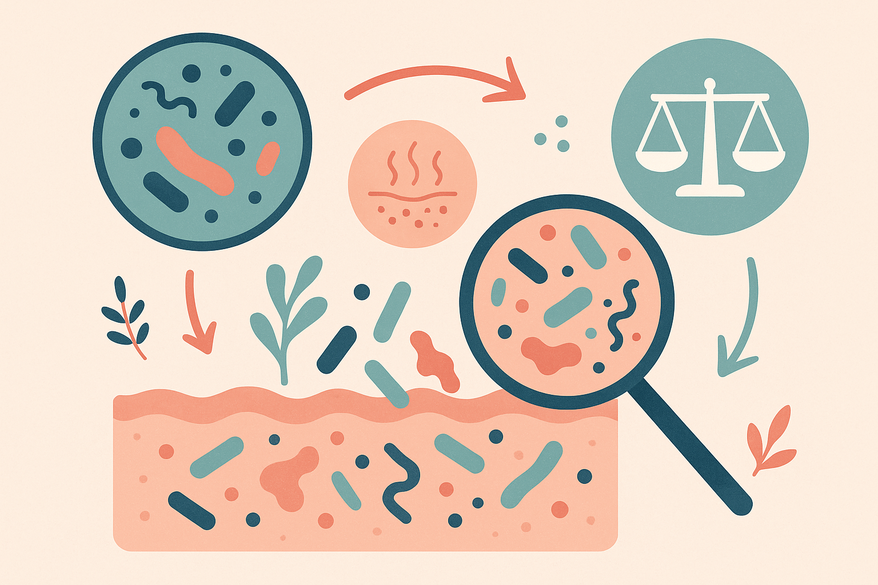
Estimated reading time: 8 minutes
Key Takeaways
- Balanced flora: A healthy skin microbiome supports barrier function and immune tolerance.
- Dysbiosis risks: Imbalance invites inflammation, moisture loss, and rash formation.
- Gentle care: pH-balanced, mild cleansers preserve beneficial microbes.
- Microbiome boosts: Topical prebiotics, probiotics, and postbiotics restore harmony.
- Lifestyle factors: Diet, stress management, and minimal antimicrobials help maintain balance.
Table of Contents
- Introduction
- Understanding the Skin Microbiome
- The Impact of Microbiome on Skin Health
- Connection Between Microbiome Imbalance and Rash Occurrence
- Factors Affecting the Skin Microbiome and Preventive Measures
- Conclusion
- FAQ
Introduction
The impact of microbiome on skin health is rapidly emerging as a cornerstone of dermatological science and everyday skincare. The microbiome refers to the entire collection of microorganisms—bacteria, fungi, viruses, and other microbes—living on and in the human body. These tiny organisms play key roles in digestion, immune education, and defense against harmful pathogens.
On the skin, a balanced community of microbes supports barrier function and keeps irritation at bay. When this cutaneous microbiota shifts out of balance, rashes and inflammation often follow. Today, researchers and dermatologists are studying how restoring a healthy skin flora can prevent or soothe common skin conditions.
Understanding the Skin Microbiome
The skin microbiome is a complex ecosystem of microbes that work together to protect and nourish skin cells. Here’s what shapes it:
- Major residents:
- Bacteria: Corynebacterium, Cutibacterium (formerly Propionibacterium), and Staphylococcus species
- Fungi: Malassezia species
- Viruses: bacteriophages and skin-tropic viruses
- Body-site specificity:
- Dry zones (forearms, legs) differ from oily (face, back) or moist (armpits, groin) areas.
- pH, temperature, follicles, and gland types dictate which species thrive.
- Dynamic changes:
- Age: infant, adult, and elderly skin harbor distinct communities.
- Hygiene and skincare: cleansers and moisturizers alter microbe counts.
- Geography and climate: humidity and pollutants shift community structure.
- Genetics and diet: inherited traits and nutrition affect skin oil and immune signals.
- Functional roles:
- Barrier support: microbes produce lipids and strengthen the stratum corneum.
- Immune training: Langerhans cells and keratinocytes learn to tolerate allies and attack pathogens.
The Impact of Microbiome on Skin Health
A healthy skin microbiome balances protective functions and keeps inflammation in check. Key contrasts:
- Balanced microbiome:
- Commensals outcompete pathogens for nutrients and space.
- Production of bacteriocins, short-chain fatty acids, and antimicrobial peptides.
- Immune modulation for rapid barrier repair.
- Imbalanced microbiome (dysbiosis):
- Loss of diversity invites opportunistic overgrowth.
- Barrier integrity weakens, leading to moisture loss and irritant penetration.
- Chronic inflammation and redness.
- Protective roles of key bacteria:
- Staphylococcus epidermidis secretes peptides that curb Staphylococcus aureus.
- Cutibacterium species produce propionic acid to lower pH and deter invaders.
- Links to skin disorders:
- Eczema and atopic dermatitis show reduced diversity and S. aureus spikes.
- Acne is tied to Cutibacterium dysbiosis and wax ester buildup.
- Psoriasis patches harbor unique bacterial signatures correlating with flare severity.
- Contact dermatitis can be aggravated by barrier breaches and microbial shifts. Learn more in our post on How Bacteria Affect Skin Rashes: The Microbiome’s Role in Inflammation and Healing.
Connection Between Microbiome Imbalance and Rash Occurrence
Rashes form when barrier disruption and immune overactivation combine. For a more detailed discussion, see Understanding the Skin Microbiome and Rash Connection.
- Eczema (atopic dermatitis):
- Lower microbial diversity and Staph. aureus colonization.
- IL-4 and IL-13 cytokines drive itch and redness.
- Contact dermatitis:
- Triggered by irritants or allergens penetrating a weakened barrier.
- Dysbiosis exacerbates reactions and slows healing.
- Mechanisms of dysbiosis-induced rash:
- Barrier breakdown: fewer commensals reduce lipid synthesis and weaken tight junctions.
- Immune overactivation: toll-like receptor signaling spikes, releasing pro-inflammatory cytokines.
- Chronic inflammation leads to pruritus, scratching, and a vicious cycle of damage.
Factors Affecting the Skin Microbiome and Preventive Measures
Many lifestyle and environmental factors shape our skin flora. Simple choices can keep microbes balanced.
- External factors:
- Overwashing or harsh cleansers strip commensals.
- Antimicrobial ingredients kill beneficial residents.
- UV exposure and pollutants alter community structure and weaken barrier lipids.
- Internal factors:
- Genetics: variations in innate immune receptors and lipid production genes.
- Hormones: sebum peaks in adolescence shift microbial ratios.
- Stress: cortisol release modifies skin immunity and microbial balance.
- Diet & gut–skin axis: fiber and fermented foods produce metabolites that circulate to skin.
- Preventive and restorative strategies:
- Choose pH-balanced, gentle cleansers to preserve skin flora.
- Avoid broad-spectrum antibiotics and unnecessary antimicrobials.
- Use topical prebiotics (inulin, alpha-glucans), probiotics (Lactobacillus, Streptococcus thermophilus), or postbiotics.
- Eat a fiber-rich, fermented-food diet to support gut and skin microbial cross-talk.
- Practice stress management (meditation, quality sleep) to stabilize immune responses.
- Emerging therapies:
- Topical microbiome transplants (live biotherapeutics) in clinical trials for atopic dermatitis.
- Engineered commensals delivering anti-inflammatory molecules show early promise.
Conclusion
Understanding the impact of microbiome on skin health is critical to preventing and managing rashes. A robust, balanced skin flora preserves barrier function, educates the immune system, and lowers inflammation risk.
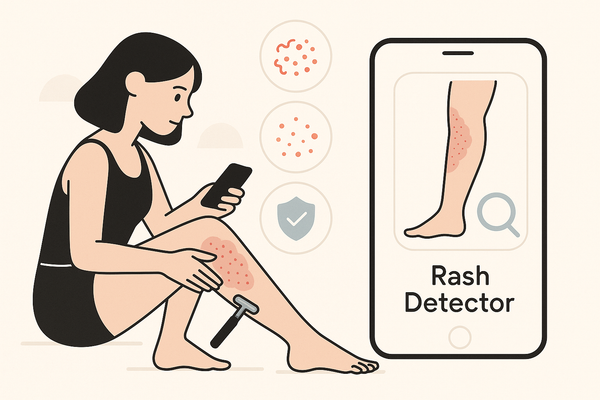
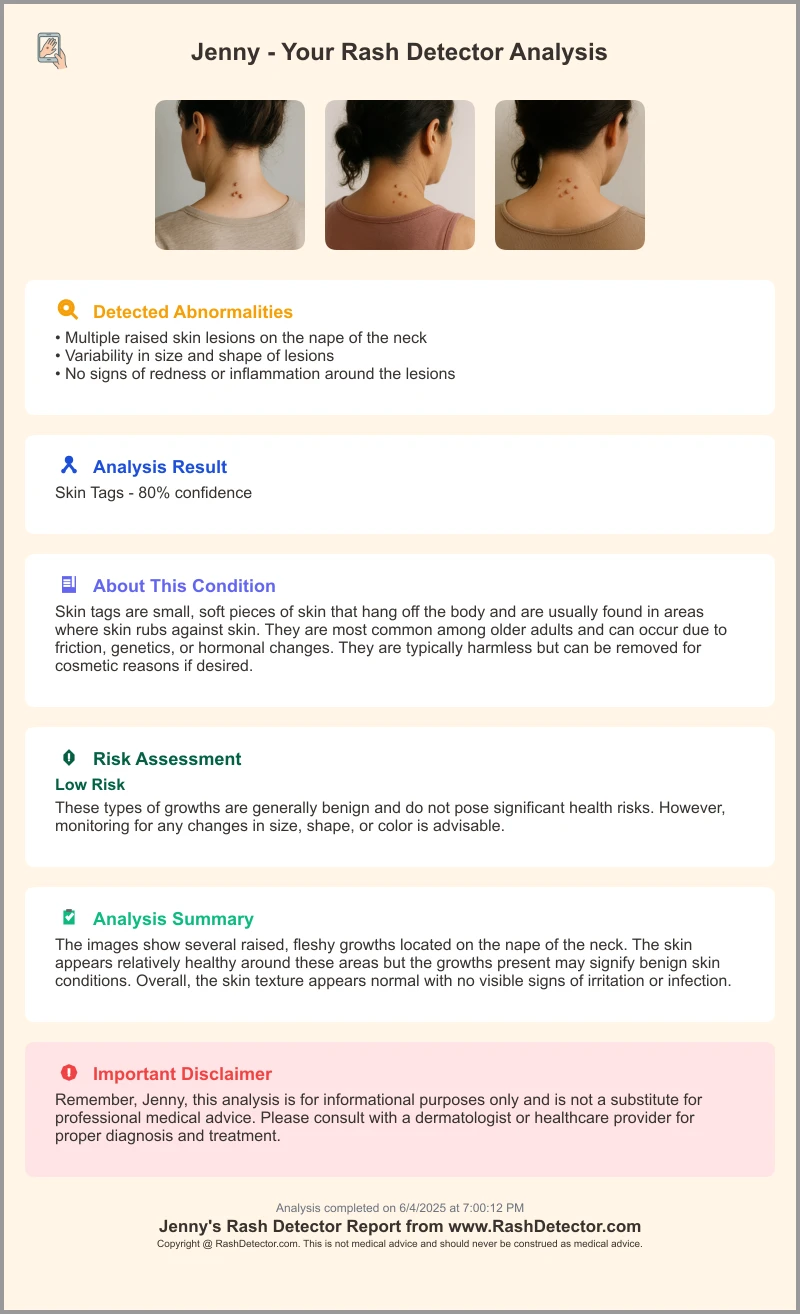
To see how AI can visualize these microbial imbalances, explore the Rash Detector sample report below, which illustrates personalized skin assessments in action.
FAQ
- What is the skin microbiome?
The skin microbiome is the diverse community of microorganisms living on the skin’s surface and within its layers, crucial for barrier integrity and immune education. - How does dysbiosis lead to rashes?
Dysbiosis reduces beneficial microbes, weakens barrier lipids, and triggers immune overactivation, resulting in inflammation and rash formation. - Can skincare products restore microbiome balance?
Yes. Products with prebiotics, probiotics, or postbiotics can help replenish commensals and support barrier repair. - When should I see a dermatologist?
If rashes persist despite gentle care, or if you experience severe itching, redness, or infection signs, consult a dermatologist for targeted treatment.