Good Itch Cream: Best Options for Fast, Lasting Relief
Find the best good itch cream for bug bites, eczema, poison ivy, and more. Learn key ingredients, usage tips, and safety from Rash Detector.


Estimated reading time: 15 min
Key Takeaways
- Choosing a good itch cream depends on the cause: bug bites, eczema, poison ivy, or dry skin.
- Key active ingredients include hydrocortisone, pramoxine, colloidal oatmeal, calamine, menthol, and camphor.
- Steroid creams provide strong relief but steroid-free options may be safer for long-term and sensitive skin use.
- Format (cream, lotion, ointment, gel) affects absorption and skin feel; sensitive areas require fragrance-free, gentle formulas.
- Consult a doctor if itching worsens, spreads, or doesn’t improve with OTC treatments.
Table of Contents
- Section 1: Understanding What Makes a Good Itch Cream
- Section 2: Top Active Ingredients in Itch Creams and Their Benefits
- Section 3: Choosing the Right Itch Cream by Cause
- Section 4: Steroid vs. Steroid-Free Itch Creams: When to Use Each
- Section 5: Itch Creams for Sensitive Areas and Sensitive Skin
- Section 6: Comparing Cream, Lotion, Ointment, Gel, and Stick Formats
- Section 7: Safety, Age Considerations, and When to See a Doctor
Conclusion
FAQ
Section 1: Understanding What Makes a Good Itch Cream
What Defines a “Good” Itch Cream?
A good itch cream aims to soothe irritation and reduce the urge to scratch, which can help prevent skin damage and infection. It should work quickly and last long enough to allow comfort and healing. Additionally, it needs to be suitable for the specific skin type and cause of itching.
Many creams are available OTC (over-the-counter), but their effectiveness varies depending on the active ingredients and formulation. Good itch creams often combine anti-inflammatory, anesthetic, and moisturizing properties to address both symptoms and underlying dryness or irritation.
Key features to look for in a quality itch cream include:
- Rapid onset of relief: The cream should begin easing itch within minutes to help prevent scratching and skin damage.
- Duration of effect: Relief lasting several hours can reduce the need for frequent reapplication.
- Skin compatibility: The formulation should suit the user's skin type (oily, dry, sensitive) and the affected area (face, body, sensitive zones).
- Multi-action: Combining anti-itch, anti-inflammatory, and moisturizing effects may help address both symptoms and causes.
Why Itching Happens and How Creams Help
Itching (pruritus) is a complex sensory response often triggered by activation of nerve endings in the skin. Common causes include allergic reactions, insect bites, poison ivy, eczema, dry skin, sunburn, and infections. When the skin is irritated, chemicals like histamine and cytokines are released, stimulating nerve fibers that send itch signals to the brain.
Itch creams can help interrupt this pathway through several mechanisms:
- Reducing inflammation: Ingredients like hydrocortisone may dampen the immune response, lowering redness, swelling, and the release of itch-inducing chemicals.
- Numbing the skin: Local anesthetics such as pramoxine or cooling agents like menthol can desensitize nerve endings, potentially blocking the transmission of itch signals.
- Calming irritation and protecting the skin barrier: Soothing agents like colloidal oatmeal or calamine may form a protective film that reduces irritation and supports skin repair.
- Moisturizing: Hydrating ingredients restore the skin’s moisture balance, preventing dryness that can worsen itching.
By targeting multiple itch pathways, a well-formulated cream may provide more comprehensive relief and promote healing.
How Rash Detector Can Help You Choose the Right Treatment
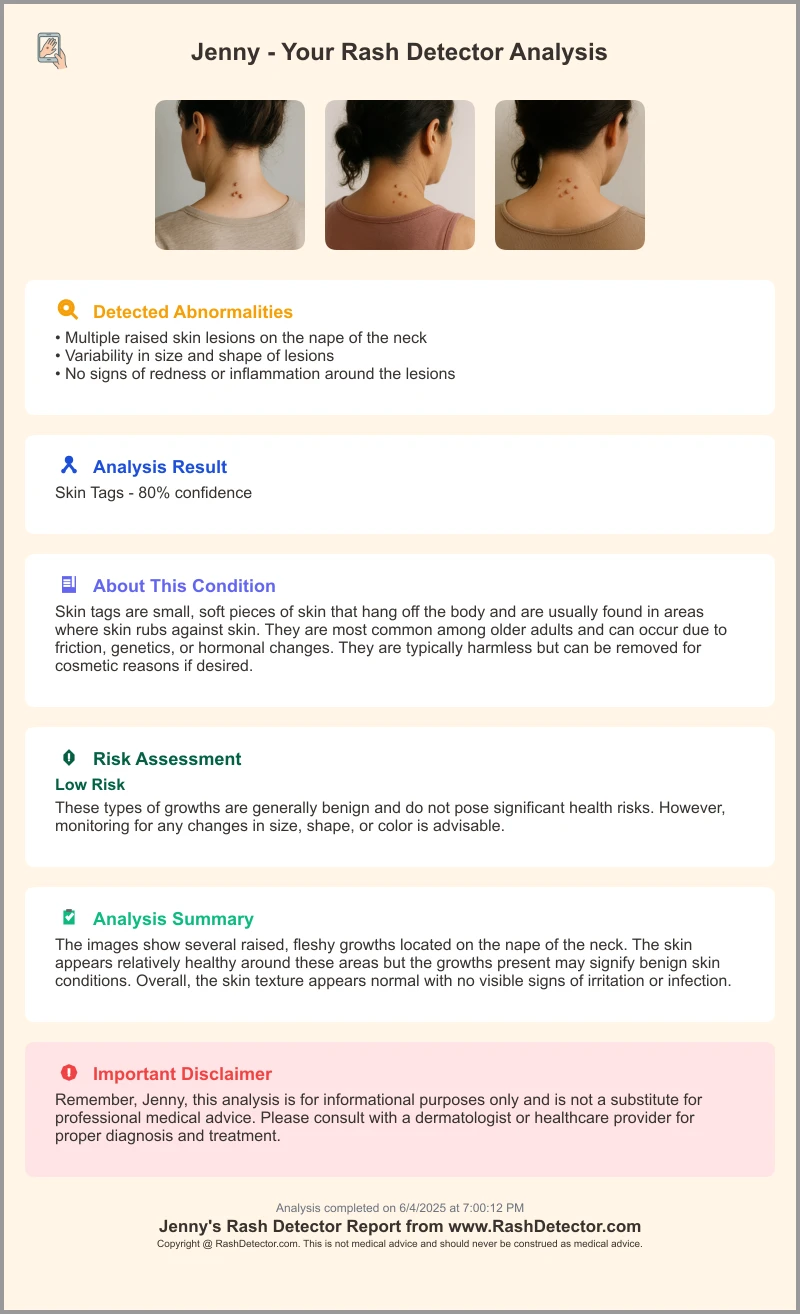
Rash Detector uses AI technology to analyze photos of your rash or itchy skin condition and suggests possible diagnoses with tailored guidance on treatment options. This can help you understand the likely cause of your symptoms, such as eczema, contact dermatitis, fungal infections, or insect bites, which is important for selecting the most appropriate itch cream.
For example, if your rash is due to poison ivy, Rash Detector’s report might recommend calamine lotion and hydrocortisone cream, while for dry skin it may suggest moisturizing formulations with colloidal oatmeal. This personalized approach can improve treatment outcomes and minimize trial and error.
Section 2: Top Active Ingredients in Itch Creams and Their Benefits
Hydrocortisone: The Mild Anti-Inflammatory Steroid
Hydrocortisone is a mild corticosteroid that can suppress the immune system’s inflammatory response, thereby reducing redness, swelling, and itching. It is commonly used for allergic reactions, eczema flare-ups, insect bites, and poison ivy.
- Strength: Over-the-counter hydrocortisone creams typically contain 0.5% or 1% hydrocortisone, which may provide relief for mild to moderate itching without prescription-strength risks.
- Use Guidelines: Apply a thin layer sparingly to affected areas up to twice daily, with a maximum duration of 7 days unless directed by a healthcare provider.
- Precautions: Avoid applying on broken, blistered, or infected skin; prolonged use can lead to skin thinning or other adverse effects.
Hydrocortisone’s anti-inflammatory action makes it a common choice for many inflammatory skin conditions causing itch.
Pramoxine: Topical Anesthetic
Pramoxine is a local anesthetic that blocks nerve signals in the skin, providing relief from itching and minor pain. It is often combined with hydrocortisone or other soothing agents for enhanced effectiveness.
- Best for: Bug bites, minor rashes, dry itchy skin where immediate itch relief is desired.
- Advantages: Provides numbing effect without the risks associated with steroids, making it suitable for longer-term or sensitive skin use.
- Application tips: Can be applied up to 3-4 times daily as needed.
Colloidal Oatmeal: Soothing and Moisturizing
Colloidal oatmeal consists of finely ground oats that provide anti-inflammatory, antioxidant, and moisturizing benefits. Its unique polysaccharides and lipids form a protective barrier on the skin, locking in moisture and calming irritation.
- Benefits: May reduce itching, soothe inflamed skin, protect the skin barrier, and restore hydration.
- Ideal for: Sensitive skin, eczema, children, and long-term use as it has an excellent safety profile.
- Application: Found in creams, lotions, and bath products; regular use can improve skin resilience.
Calamine: Cooling and Protective
Calamine lotion contains zinc oxide and ferric oxide, which produce a characteristic pink color and provide a cooling, drying, and protective effect on irritated skin. It helps soothe poison ivy, chickenpox, insect bites, and other itchy rashes.
- Usage: Apply to dry, itchy areas for cooling and relief.
- Visual note: Leaves a pinkish residue that can be gently wiped off or left to absorb.
- Safety: Generally safe for many skin types, including sensitive skin.
Menthol and Camphor: Cooling and Numbing Agents
Menthol and camphor activate cold receptors in the skin, producing a cooling sensation that may distract from itch and pain. They have mild local anesthetic properties and are often included in gels, creams, and ointments targeting bug bites and minor rashes.
- Best for: Rapid relief of itch from bug bites, minor irritations, and dry skin.
- Precautions: Avoid application on broken or sensitive skin areas due to potential stinging or irritation.
- Combination products: Often paired with hydrocortisone or pramoxine for multi-modal effect.
Section 3: Choosing the Right Itch Cream by Cause
Bug Bites: Fast Relief and Anti-Inflammatory Action
Bug bites trigger localized histamine release, causing swelling and intense itching. Immediate relief focuses on numbing the itch and reducing inflammation.
Recommended ingredients: Hydrocortisone to reduce inflammation, pramoxine for numbing, menthol and camphor for cooling sensations.
Example product types: Creams or gels combining these agents may provide soothing effects. For instance, a hydrocortisone 1% cream with pramoxine and menthol offers both anti-inflammatory and anesthetic benefits.
Additional tips: Clean the bite area gently before applying cream, avoid scratching to prevent secondary infection, and reapply every 4-6 hours as needed.
Eczema and Dry Skin: Moisturizing and Barrier Repair
Eczema is characterized by chronic dry, inflamed, itchy skin due to a defective skin barrier and immune dysfunction. Itch creams here should focus on hydration and restoring the skin’s protective layer.
Recommended ingredients: Colloidal oatmeal calms inflammation, ceramides restore lipid barrier, glycerin and hyaluronic acid attract and retain moisture, and mild hydrocortisone (0.5-1%) can be used short-term during flare-ups.
Note: Continuous use of moisturizing creams may help prevent flare-ups and reduce itching over time. Steroid creams should be reserved for acute inflammation and used under medical supervision to avoid skin thinning.
Example regimen: Daily application of a colloidal oatmeal-based moisturizer morning and night, with hydrocortisone cream applied once or twice daily during flare-ups for up to 7 days.
Poison Ivy and Plant Allergies: Calamine and Steroid Creams
Poison ivy rash results from contact with urushiol oil, causing allergic inflammation, redness, and blistering.
Calamine lotion provides a cooling, drying effect that soothes itching and protects the skin. Hydrocortisone cream may reduce immune-mediated inflammation and swelling.
Tips for care: Wash the affected area promptly with soap and water to remove urushiol, avoid scratching to prevent infection, and apply calamine lotion multiple times daily. Use hydrocortisone cream for severe itching but limit duration to avoid side effects.
In severe cases with widespread rash or blistering, consult a healthcare provider for possible prescription treatments.
Jock Itch and Fungal Causes: Antifungal Plus Soothing Agents
Fungal infections such as jock itch cause persistent itching, redness, and scaling. Antifungal creams are essential to eradicate the infection, but adjunct soothing agents can relieve itch during treatment.
Look for: Combination antifungal and anti-itch products containing agents like clotrimazole or terbinafine plus pramoxine or colloidal oatmeal. If unavailable, apply antifungal cream as directed and follow with a gentle moisturizing cream to reduce itching.
Additional advice: Keep the area dry, wear breathable clothing, and maintain good hygiene to support healing and prevent recurrence.
Sunburn: Cooling and Hydrating Creams
Sunburn damages skin cells and triggers inflammation and itching as the skin heals.
Recommended ingredients: Cooling agents like menthol or aloe vera provide soothing relief; colloidal oatmeal moisturizes and supports skin barrier repair.
Important: Avoid steroid creams on sunburn unless prescribed, as they may impair healing or mask infection signs.
Use gentle, fragrance-free moisturizing lotions or gels frequently to maintain hydration, and protect the area from further sun exposure.
Section 4: Steroid vs. Steroid-Free Itch Creams: When to Use Each
Benefits of Steroid Creams
Steroid creams such as hydrocortisone can be effective at suppressing skin inflammation and rapidly reducing itch intensity. They are commonly recommended for allergic reactions, eczema flare-ups, poison ivy, and other inflammatory skin conditions.
- Provide symptom relief, often noticeable within hours.
- Reduce redness, swelling, and immune system activity causing itch.
- Widely available OTC in mild strengths for safe short-term use.
Limitations and Risks of Steroid Creams
Despite their efficacy, steroid creams carry risks especially when used improperly or long-term:
- Skin thinning (atrophy): Prolonged use can degrade collagen and elastin, leading to fragile skin.
- Rebound flare-ups: Stopping steroids abruptly after long use may worsen itching or inflammation.
- Systemic absorption: Rare but possible with extensive use on large areas or under occlusion, leading to hormonal effects.
- Unsuitable for sensitive areas (face, genitals) without medical supervision.
- Not recommended for use on infected or broken skin unless directed.
Steroid-Free Alternatives
Steroid-free itch creams focus on anesthetics, botanicals, and barrier repair to relieve itching gently and safely, especially for long-term or sensitive skin use.
- Include active ingredients such as pramoxine, menthol, colloidal oatmeal, and calamine.
- Often combined with moisturizing agents like ceramides and glycerin for skin barrier support.
- Generally safe for daily use without risk of skin thinning or systemic effects.
For chronic itching or sensitive skin, steroid-free options may be preferable to minimize side effects. However, severe or persistent inflammatory conditions may require short-term steroid therapy under medical guidance.
Apps like Rash Detector can assist in identifying your rash type and advising when steroid creams are appropriate or when to seek professional care.
Section 5: Itch Creams for Sensitive Areas and Sensitive Skin
Why Sensitive Skin Needs Special Care
Sensitive skin tends to react easily to irritants, allergens, and harsh ingredients, leading to redness, burning, or worsening itch. Areas like the face, genitals, and underarms have thinner skin and are more prone to irritation.
Using gentle, fragrance-free, hypoallergenic itch creams helps prevent exacerbation of symptoms and promotes healing.
Ingredients to Look For
- Fragrance-free and hypoallergenic formulations: Avoid perfumes and dyes that can trigger reactions.
- Zinc oxide: Provides mild astringent and protective properties, soothing irritation.
- Colloidal oatmeal and ceramides: Help repair and strengthen the skin barrier.
- Low-strength hydrocortisone: Use only under medical supervision and for short periods to avoid skin thinning.
Products to Avoid on Sensitive Areas
- Menthol and camphor: Can cause stinging or burning sensations.
- Strong steroids: Risk of skin atrophy and increased sensitivity.
- Heavy ointments: May clog pores and cause folliculitis or acneiform eruptions.
Patch testing: Before applying a new cream broadly to sensitive areas, test on a small skin patch to check for adverse reactions.
If irritation or worsening symptoms occur, discontinue use and consult a dermatologist for tailored treatment.
Section 6: Comparing Cream, Lotion, Ointment, Gel, and Stick Formats
Creams
Creams are semi-solid emulsions containing water and oil, providing balanced hydration. They are thick yet absorb well without excessive greasiness, making them versatile for many types of itchy skin conditions.
Best for: Most rashes and dry, irritated skin areas; suitable for both body and face.
Lotions
Lotions have a higher water content than creams, resulting in lighter, more fluid textures that absorb quickly.
Best for: Large surface areas, oily or acne-prone skin, or when a non-greasy feel is preferred. However, they may require more frequent reapplication due to faster evaporation.
Ointments
Ointments are oil-based and highly occlusive, forming a protective barrier that traps moisture effectively.
Best for: Very dry, cracked skin or thickened eczema lesions where intensive hydration and skin protection are needed.
Drawbacks: Heavier texture and greasy feel, may not be preferred for daytime use or on hairy areas.
Gels
Gels are water-based and often contain cooling agents like menthol or camphor, providing a refreshing sensation.
Best for: Itchy bug bites, sunburn, or rashes where a non-greasy, rapid-absorbing formulation is desired.
Note: Gels can sometimes cause dryness or stinging on sensitive skin; patch testing is recommended.
Sticks
Sticks are solid or semi-solid formulations in a convenient applicator, enabling targeted treatment of small itchy spots.
Best for: Quick application on bug bites, minor irritations, or localized rashes, especially when portability and mess-free use are important.
Choosing the appropriate format depends on the affected area size, skin type, and user preference. For example, ointments are ideal for very dry elbows or knees, while lotions suit widespread mild itching.
For detailed product recommendations, see the Best Anti Itch Cream: Top Picks and How to Choose guide.
Section 7: Safety, Age Considerations, and When to See a Doctor
Over-the-Counter Use and Age Limits
Hydrocortisone creams OTC are generally considered safe for use in adults and children over 2 years old. For children under 2, especially infants, consult a pediatrician before use as their skin is more sensitive and prone to adverse effects.
For other anti-itch creams containing anesthetics or botanicals, safety profiles vary. Products formulated for pediatric use or labeled as safe for sensitive skin are preferable.
When to Avoid Hydrocortisone and Seek Medical Advice
- If rash or itching is severe, spreading rapidly, or accompanied by pain.
- Signs of infection such as pus, warmth, redness extending beyond the rash, fever, or swollen lymph nodes.
- Symptoms persist beyond 1 week despite consistent use of OTC treatments.
- Presence of broken, blistered, or oozing skin.
- Rashes located on sensitive areas like the face, genitals, or mucous membranes without prior medical consultation.
- Uncertain diagnosis or if the rash is worsening despite treatment.
General Tips for Safe Use
- Use the smallest effective amount of cream to minimize risk.
- Adhere strictly to package instructions and recommended duration of use.
- Avoid applying near eyes, mouth, or other mucous membranes to prevent irritation.
- Discontinue use immediately if irritation, worsening rash, or new symptoms develop.
- Do not combine multiple topical steroids or use occlusive dressings without medical advice.
For any uncertain or persistent skin issues, always seek diagnosis and treatment advice from a healthcare professional. Digital tools like Rash Detector can help identify possible causes quickly and guide appropriate next steps, but cannot replace professional medical evaluation.
Conclusion
Finding a good itch cream involves understanding the cause of your itch, knowing key active ingredients, and selecting the right formulation for your skin type and sensitive areas. Hydrocortisone remains a commonly used anti-inflammatory for many rashes, but steroid-free options like pramoxine and colloidal oatmeal offer alternatives that may be safer for long-term or sensitive skin use.
Whether dealing with bug bites, eczema, poison ivy, or dry skin, the right itch cream can provide relief and support healing. Always follow safety guidelines and consult a doctor if symptoms worsen or don’t improve.
To help identify your rash and receive personalized treatment guidance, consider using Rash Detector, which uses AI to analyze your skin condition from photos and assist in making informed decisions.
FAQ
Q: What is the best anti-itch cream for bug bites?
A: For bug bites, creams containing hydrocortisone, pramoxine, or menthol may provide relief by reducing inflammation and numbing itch. Calamine lotion can also soothe irritation. Applying the cream promptly and avoiding scratching helps prevent infection.
Q: Which anti-itch cream works best for eczema or dry itchy skin?
A: Moisturizing creams with colloidal oatmeal, ceramides, and glycerin are often recommended for eczema and dry skin. Mild hydrocortisone may be used short-term during flare-ups, but regular moisturizing is key to maintaining skin barrier health and reducing itching.
Q: Is hydrocortisone or pramoxine better for itching?
A: Hydrocortisone reduces inflammation and is effective for allergic or inflammatory itching. Pramoxine numbs the skin for quick itch relief without steroids. The choice depends on the underlying cause and skin sensitivity; sometimes they are combined for enhanced effect.
Q: What cream should I use for poison ivy itch?
A: Calamine lotion soothes poison ivy itch with a cooling effect, while hydrocortisone cream may help reduce inflammation. Clean the area promptly, avoid scratching, and apply these treatments as directed. Seek medical care for severe or widespread reactions.
Q: Can I use anti-itch cream on sensitive areas or private parts?
A: Use fragrance-free, mild formulations like zinc oxide or colloidal oatmeal on sensitive areas. Avoid menthol, camphor, or strong steroids unless directed by a doctor to prevent irritation or damage.
Q: What ingredients should I look for in a good itch cream?
A: Look for hydrocortisone, pramoxine, colloidal oatmeal, calamine, menthol, camphor, and moisturizing agents like ceramides and glycerin depending on your skin condition and sensitivity.