Essential Guide to Medication Rash Treatment
Learn how to identify and manage medication rashes effectively, ensuring quick recovery and prevention of future reactions. Safe treatment strategies included.
Estimated reading time: 8 minutes
Key Takeaways
- Drug-induced rashes can range from mild itching to life-threatening reactions.
- Early recognition and discontinuation of the culprit drug speed recovery.
- Diagnosis relies on thorough history, physical exam, and sometimes tests.
- Treatment includes antihistamines, corticosteroids, and supportive care based on severity.
- Prevention involves accurate records, allergy communication, and specialist evaluation.
Table of Contents
- Introduction
- Understanding Medication-Induced Rashes
- Identifying a Medication Rash
- Diagnostic Process
- Medication Rash Treatment Options
- Preventing Future Medication Rashes
- When to Seek Professional Help
- Conclusion and Summary
- Additional Resources
Introduction
Medication rash treatment refers to the clinical strategies used to identify, manage, and resolve skin eruptions caused by drugs. These rashes affect up to 2–3% of outpatients and can range from mild itching to severe, life-threatening reactions. By recognizing early warning signs—such as itching, redness, or blistering—you can take safe steps to stop the rash, relieve symptoms, and prevent future episodes.
Understanding Medication-Induced Rashes
A medication-induced rash is a skin eruption triggered by either an immune-mediated response or a non-allergic adverse drug effect. These reactions fall under drug hypersensitivity and predictable side effects.
How the rash forms
- Immune-mediated (Type I–IV hypersensitivity):
- Type I: immediate, IgE-mediated hives or anaphylaxis
- Type IV: delayed, T-cell–mediated morbilliform rash
- Nonimmune (predictable side effect):
- Phototoxicity when sun exposure combines with certain drugs
- Dose-related toxicity causing redness or peeling
Common drug classes causing rashes
- Antibiotics: penicillins, sulfonamides
- NSAIDs: ibuprofen, naproxen
- Anticonvulsants: phenytoin, lamotrigine
- Biologics/Chemotherapy: EGFR inhibitors, immune checkpoint blockers
Allergic reaction vs. side effect
- Allergic: immune-driven, unpredictable, may cause hives or anaphylaxis
- Side effect: predictable, dose-related, usually mild
"A patient on amoxicillin developed hives within hours. Stopping the drug and giving antihistamines cleared the rash in two days."
Identifying a Medication Rash
Spotting a drug eruption early is key. Look for these warning signs within days of starting a new medication:
- Itchy red rash or hives
- Swelling, burning, tenderness at the rash site
- Blistering or peeling skin
- Mucous membrane involvement (mouth, eyes)
- Systemic signs: fever, wheezing, difficulty breathing
Timeline of onset
- Immediate (<1 hour): hives, angioedema (Type I)
- Delayed (days–weeks): morbilliform rash, fixed drug eruption
Warning signs warranting urgent care
- Rapid rash spread with fever or low blood pressure
- Painful blisters or mucosal lesions
- Breathing difficulties or wheezing
Diagnostic Process
An accurate diagnosis guides safe treatment. Clinicians use history, physical exam, and sometimes tests.
History taking
- Complete medication list: prescription, OTC, supplements
- Timing of rash relative to drug initiation or dose change
- Previous drug allergies or rashes
Physical exam
- Rash pattern: urticarial, morbilliform, fixed drug eruption
- Mucosal inspection: mouth, eyes, genitals
- Vital signs: fever, blood pressure
Additional tests
- Skin biopsy for unclear eruptions
- Patch testing or in-vitro IgE assays for delayed allergy
- Lab work (CBC, liver function) if systemic involvement
Documenting your case
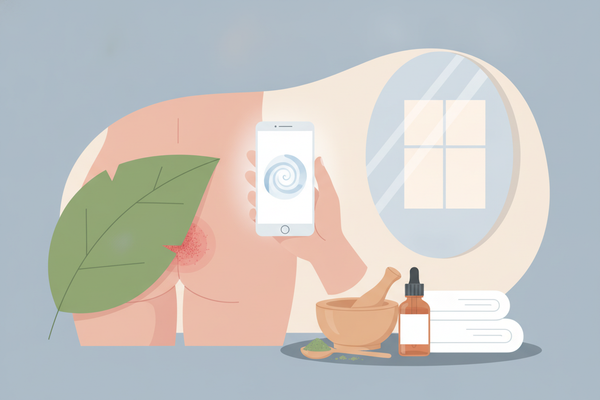
Photograph the rash as it evolves and note any new medications. This record aids future care.
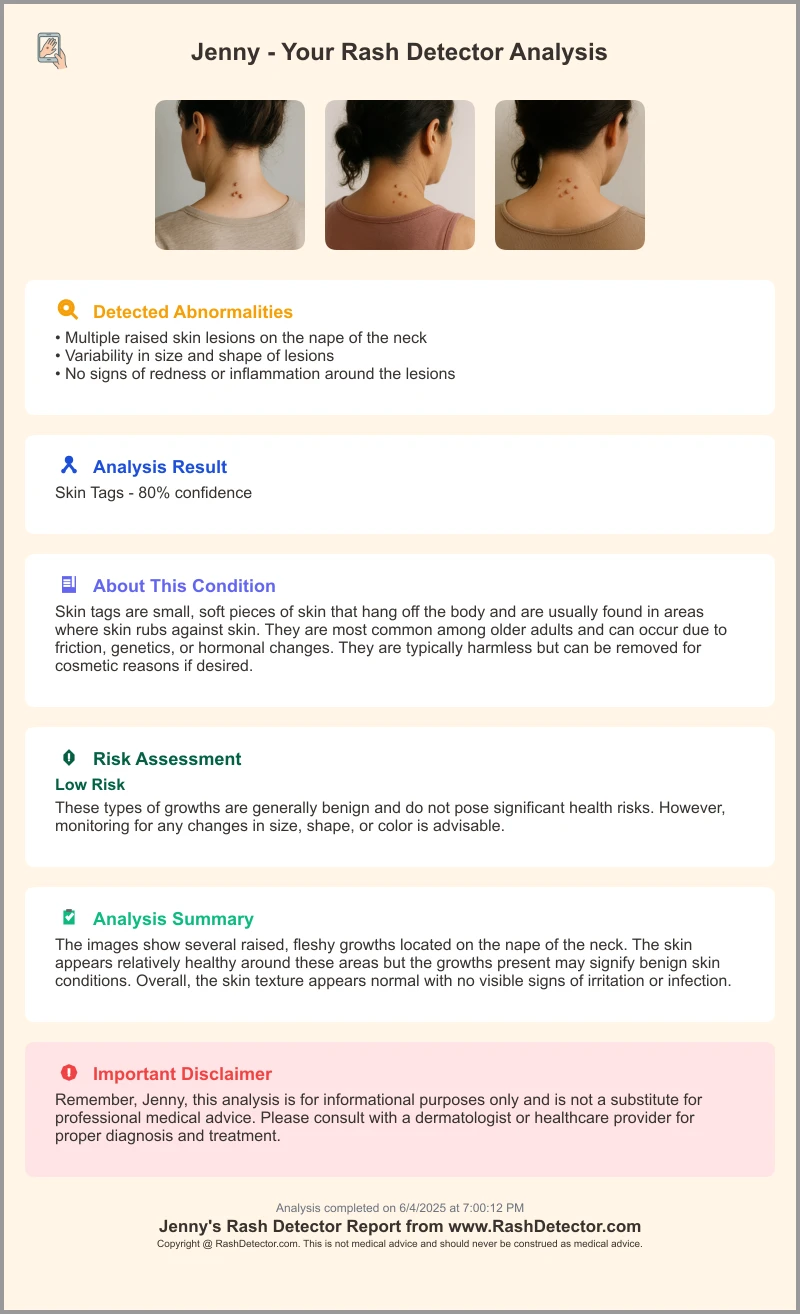
For an added layer of insight, try Rash Detector, an AI-driven Skin Analysis App that generates detailed sample reports from your rash images. Below is an example:
Medication Rash Treatment Options
Under clinician guidance, the first step is stopping or substituting the culprit drug. Do not stop essential therapy without professional advice.
Initial steps
- Identify the trigger and discuss discontinuation
- Substitute a safer alternative if possible
- Monitor for improvement or worsening
Mild reactions
- Oral antihistamines:
- Cetirizine 10 mg once daily
- Diphenhydramine 25–50 mg every 6 hours
- Topical corticosteroids:
- Hydrocortisone 1% cream twice daily
- Soothing measures:
- Cool compresses
- Calamine lotion
Severe reactions
- Systemic corticosteroids: Prednisone 0.5–1 mg/kg taper over 7–14 days
- Epinephrine for anaphylaxis: 0.3–0.5 mg IM immediately
- Hospitalization for bullous eruptions or mucosal involvement:
- IV fluids support
- Wound and burn-care dressings
"A chemotherapy patient on EGFR inhibitors developed painful blisters. IV fluids and wound care plus steroid taper led to recovery in 10 days."
Warning
Do not stop prescription meds on your own. Abrupt discontinuation may worsen your condition. Always consult your provider.
Preventing Future Medication Rashes
Prevention is a key part of treatment. Take these steps to avoid repeat episodes:
- Maintain an updated list of all drugs and supplements
- Share allergy history with every healthcare provider
- Use medical alert bracelets or smartphone allergy apps
- Consider specialist evaluation for:
- Allergy testing: skin prick or patch tests
- Drug desensitization protocols
Patient tip: store allergy information in your phone’s emergency contacts.
When to Seek Professional Help
Knowing when to act fast is vital.
Emergency red flags – call 911 or go to the ER if you have:
- Difficulty breathing or throat tightness
- Rapid facial or tongue swelling
- Dizziness or fainting
- Widespread blistering with fever
Urgent care indications
- Skin pain that worsens or spreads
- Signs of infection: pus, warmth, increased redness
- Persistent fever or systemic symptoms
Conclusion and Summary
Early recognition, accurate diagnosis, and stepwise management are the pillars of safe medication rash treatment. Stop the culprit drug under guidance, relieve symptoms with antihistamines and steroids, and prevent future episodes through clear communication and specialist care. Always consult healthcare professionals for personalized advice and never self-stop critical medications. Proper treatment ensures a swift and safe recovery.
コスプレウィッグを選ぶ際は、色味、長さ、毛量、前髪、耐熱温度を確認すると比較しやすくなります。商品仕様や選び方を比べたい場合は、三月なのか コスプレウィッグから関連情報を確認できます。使用後は毛流れを整えて十分に乾かし、形が崩れない状態で保管することが大切です。
Additional Resources
- Merck Manual Consumer Version on drug rashes
- Johns Hopkins Medicine drug rash overview
- NYU Langone Health drug reactions and hives treatment
- Mayo Clinic contact dermatitis treatment
- Harvard Health Blog on severe drug rashes
FAQ
- What are the early signs of a medication rash? Itchy red bumps or hives appearing within days of starting a new drug, often accompanied by swelling or burning.
- How do I know if it’s an allergic reaction or a side effect? Allergic reactions are unpredictable and immune-driven; side effects are dose-related and usually milder.
- When should I stop my medication? Never stop on your own. Contact your provider immediately if you suspect a rash is drug-related.
- Can medication rashes be prevented? Yes. Keep accurate records, communicate allergy history, and consider specialist testing.
- What treatments are used for severe rashes? Systemic corticosteroids, epinephrine for anaphylaxis, and hospitalization with supportive IV fluids and wound care.