Effective Medication Rash Treatment: Identification, Management, and Prevention
Learn effective medication rash treatment strategies to identify causes, manage symptoms, and prevent future reactions. Ensure timely, safe action to save lives.
Estimated reading time: 7 minutes
Key Takeaways
- Stop and soothe skin reactions caused by medications promptly.
- Identify rash type through timing, appearance, and medical review.
- Employ targeted treatment: OTC remedies, prescription drugs, supportive care.
- Recognize red flags (SJS/TEN, anaphylaxis) and seek urgent help.
- Prevent future rashes with documentation, allergy lists, and specialist evaluation.
Table of Contents
- Introduction
- What Is a Medication-Induced Rash?
- Recognizing Signs and Symptoms
- Diagnosing a Medication Rash
- Medication Rash Treatment Options
- When to Seek Medical Help
- Prevention and Future Considerations
- Conclusion
- FAQ
Introduction
Medication rash treatment focuses on stopping and soothing skin reactions triggered by drugs. A medication-induced rash appears days to weeks after exposure and may mimic other skin conditions. While most reactions are mild, some can escalate to life-threatening disorders like Stevens–Johnson syndrome or anaphylaxis. Early recognition and intervention are critical.
In this post you will learn to:
- Recognize medication-induced rash signs
- Review medication rash treatment options
- Know urgent red flags and prevention strategies
What Is a Medication-Induced Rash?
A medication-induced rash is a cutaneous reaction from prescription, OTC, herbal, or vitamin therapies. It arises via immune or non-immune mechanisms and differs from other rashes by:
- Cause: Triggered by drug exposure rather than infection or irritants.
- Timing: Appears days–weeks after starting a new medication.
- Resolution: Improves once the offending drug is stopped.
Common drug classes causing rashes:
- Antibiotics: penicillins, sulfonamides
- Anticonvulsants: carbamazepine, lamotrigine
- Allopurinol, NSAIDs
- Cancer/immune therapies: checkpoint inhibitors
- Pediatric examples: amoxicillin, phenobarbital
Even small doses can trigger major reactions. – Johns Hopkins Medicine
Recognizing Signs and Symptoms
Spotting a drug rash early helps guide effective treatment. Common presentations include:
- Morbilliform rash
- Widespread pink/red macules and papules
- Starts on the trunk and may spread
- Urticaria (hives)
- Transient, itchy, raised welts
- Appear and fade within hours
- Fixed drug eruption
- Single or few dark red/purple patches
- Recur in the same spot upon re-exposure
Symptoms can range from mild itch and redness to burning, swelling, fever, or malaise.
Severity levels:
- Mild reactions: Localized rash, no mucosal involvement; managed by stopping the drug and OTC relief (see best anti-itch cream solutions).
- Severe reactions (SCARs/anaphylaxis): Widespread blistering, mucosal sores, facial swelling, breathing difficulties, or organ involvement.
Onset timeline:
- Typical: 4–14 days after starting a new drug
- Immediate hives/anaphylaxis: minutes–hours
- Faster on re-exposure
Diagnosing a Medication Rash
An accurate diagnosis underpins successful treatment. Clinicians follow these steps:
- Detailed medication review: List all drugs, match start dates with rash onset.
- History & physical exam: Ask about timing, new drugs, systemic symptoms; examine skin, mucosa.
- Diagnostic trial: Stop non-essential drugs, substitute alternatives, reintroduce under supervision.
- Tests: Skin biopsy for SJS/TEN, patch testing for delayed reactions, blood/organ workup if systemic.
For more on identifying drug-induced rash symptoms.
Medication Rash Treatment Options
Core principle: Immediate cessation of the offending drug—never stop life-sustaining medicines without medical guidance.
- Discontinuation/Adjustment: Stop culprit drug; consider specialist-guided desensitization when needed.
- Over-the-counter treatments:
- Oral antihistamines (diphenhydramine, cetirizine, loratadine)
- Topical corticosteroids (hydrocortisone 1% cream)
- Moisturizers & gentle skincare
- Prescription treatments:
- Medium-potency topical steroids
- Systemic corticosteroids (prednisone 0.5–1 mg/kg/day)
- IVIG or immunomodulators for SJS/TEN
- Supportive measures: Cool compresses, colloidal oatmeal baths, loose clothing, hydration, rest.
- Emphasize medical guidance: Risks of self-treatment and continued exposure.
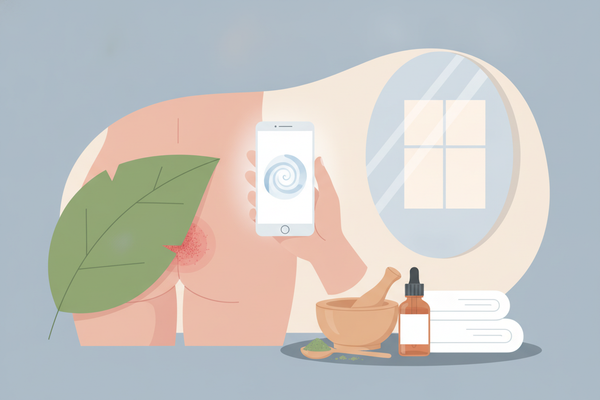
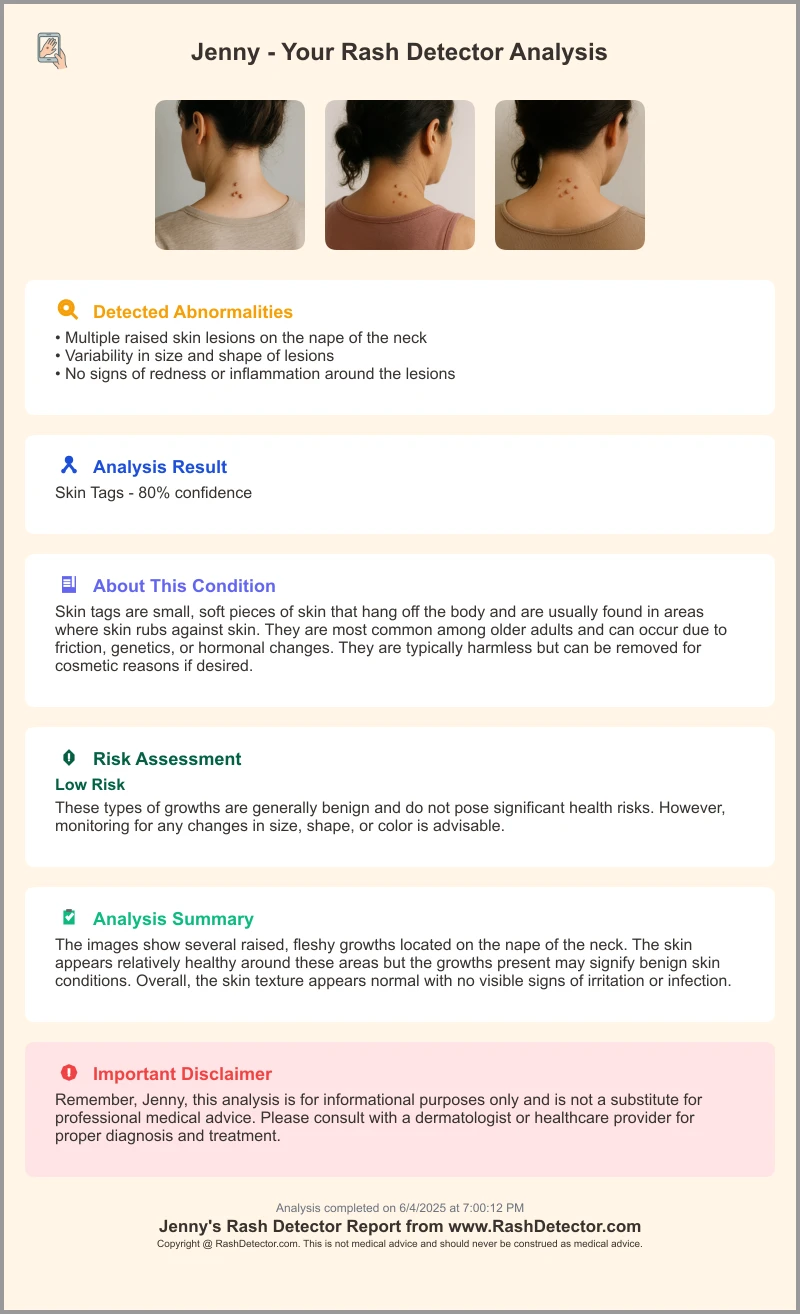
Use the Rash Detector for an instant, AI-based preliminary report:
For a deeper dive into identification, management, and prevention strategies, see our effective medication rash treatment guide or our complete guide to identification, management, and prevention of medication rashes. You may also find our guide to identification, management, and prevention of medication rashes helpful for a comprehensive approach. For a thorough overview, see our comprehensive guide to identification and management of medication rashes. For a detailed step-by-step approach, refer to A Complete Guide to Medication Rash Treatment.
When to Seek Medical Help
Always consult a provider if a rash emerges with medication. Seek emergency care for:
- Breathing difficulty, facial or throat swelling (anaphylaxis)
- Rapidly spreading blistering or peeling
- Mucosal sores in mouth, eyes, or genital areas
- Fever, lymphadenopathy, jaundice, dark urine
Urgent (same-day) care if: large-surface rash, moderate fever, joint pain, fast progression on high-risk drugs.
When you go, bring a full med list with dates and describe onset, progression, and associated symptoms.
Prevention and Future Considerations
- Document past reactions: Update records and allergy lists.
- Lifelong avoidance: Avoid culprit and related agents.
- Pre-treatment evaluation: Allergy/derm consult before high-risk meds.
- Regular medication reviews: Minimize unnecessary drugs and interactions.
- Risk vs. benefit: Discuss with clinicians before stopping essential drugs.
- Follow-up: Confirm resolution, update allergy lists, plan future exposures.
For a comprehensive overview of prevention and long-term management, refer to our comprehensive guide to medication rash treatment. For additional strategies to recognize, manage, and prevent skin reactions, see Medication Rash Treatment: Recognize, Manage, and Prevent Skin Reactions.
Conclusion
Medication rashes range from mild erythema to life-threatening SCARs and anaphylaxis. Effective treatment depends on prompt identification and cessation of the culprit drug, targeted symptom control, and vigilant monitoring. Recognizing red flags like breathing difficulty, swelling, and blistering can save lives. Always seek professional medical guidance for diagnosis, treatment, and long-term management.
撮影やイベントに使う衣装は、再現度に加えて動きやすさと着用時間も考えて選びましょう。複数の候補を比較する際は、ブルアカ コスプレ衣装で仕様の違いを確認できます。商品が届いたら付属品とサイズを早めに確認し、必要な調整を本番前に済ませましょう。
FAQ
- How quickly does a drug rash appear?
- Typically 4–14 days after starting a new medication, though hives or anaphylaxis can occur within minutes to hours.
- Can I treat a drug rash at home?
- Mild cases may respond to OTC antihistamines and topical steroids, but always consult a healthcare provider before stopping any medication.
- What are the warning signs of Stevens–Johnson syndrome?
- Rapidly spreading blistering rash, mucosal ulcerations, fever, and systemic symptoms. Immediate ER evaluation is required.
- Is it safe to re-challenge with the same medication?
- Re-exposure can provoke a more severe reaction. Always perform supervised re-challenge only under specialist guidance.