Effective Medication Rash Treatment: Signs, Symptoms, and Solutions
Discover effective medication rash treatment, recognize symptoms, and learn management strategies to prevent complications. Stay informed for better care.
Estimated reading time: 8 minutes
Key Takeaways
- Early recognition of rashes that begin days to weeks after starting a new medication is vital.
- Seek medical evaluation for any rash accompanied by systemic symptoms.
- Discontinue the trigger under professional supervision to prevent progression.
- Symptom relief with antihistamines, corticosteroids, and emollients is often effective.
- Prevention: report known drug allergies, request testing, and introduce new meds one at a time.
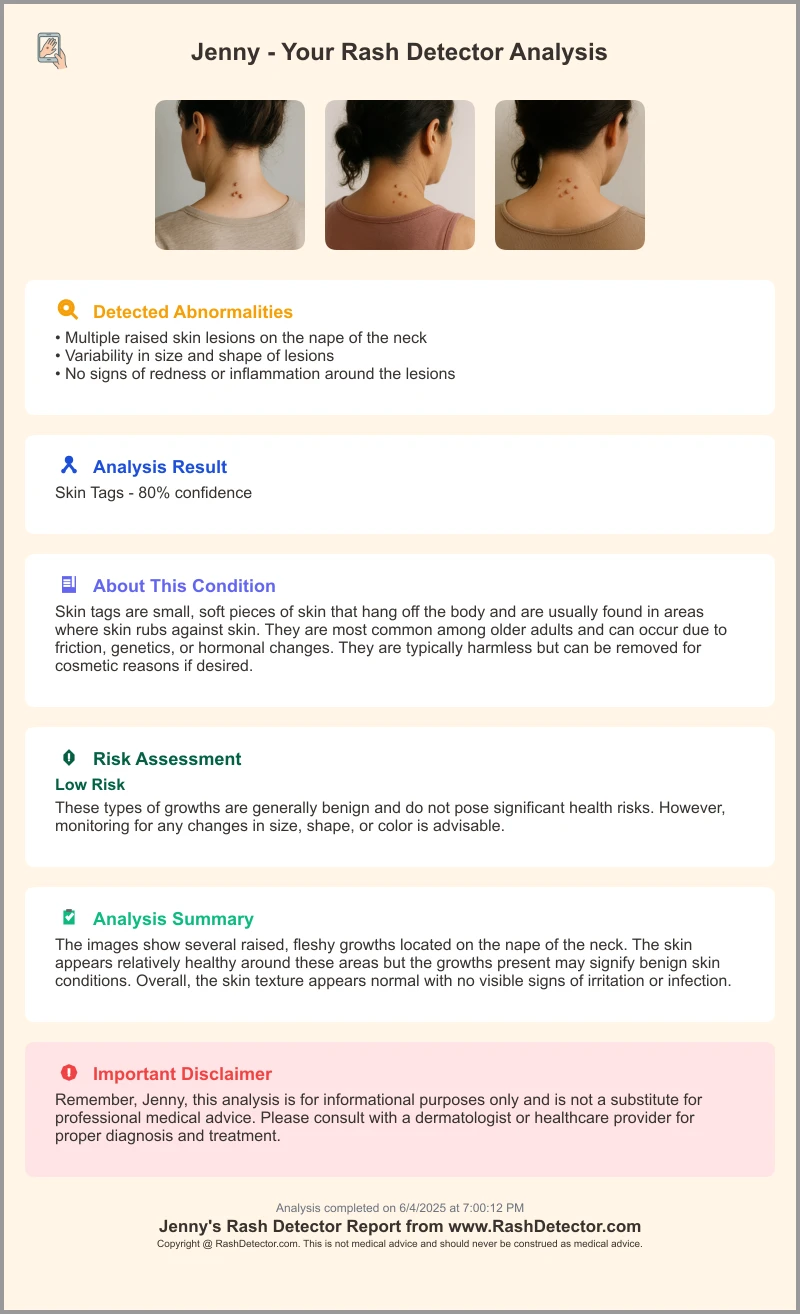
- Use AI insights by uploading a photo to Rash Detector for an instant sample report.
Table of Contents
- 1. Understanding Medication-Induced Rashes
- 2. Signs and Symptoms
- 3. Diagnosis and Medical Evaluation
- 4. Treatment Options
- 5. Managing and Preventing Rashes
- 6. When to Seek Immediate Medical Attention
- FAQ
1. Understanding Medication-Induced Rashes
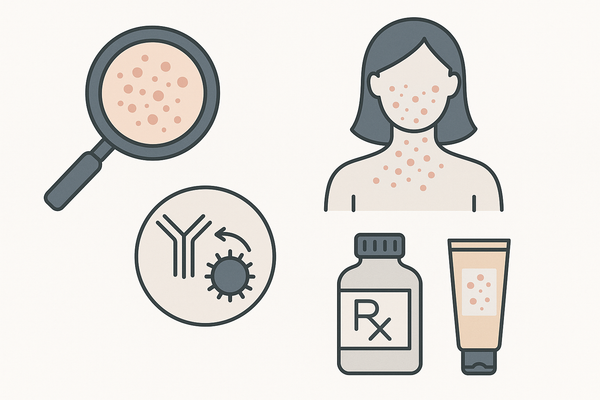
Medication-induced rashes are abnormal skin reactions triggered by a drug, often stemming from an immune or allergic response (drug eruption). These reactions can range from mild redness to severe blistering, as noted by Mayo Clinic and Children’s National.
Common drug culprits:
- Antibiotics: penicillins, sulfonamides
- NSAIDs: ibuprofen, naproxen
- Anticonvulsants: carbamazepine, lamotrigine
- Cardiac drugs: certain beta-blockers, ACE inhibitors
Prevalence and high-risk groups:
- Any patient starting a new medication can develop a rash.
- Higher risk if you have a history of drug allergies.
- Autoimmune disorders increase sensitivity.
- Taking multiple new drugs at once raises interaction odds.
- About 3 to 8 percent of hospitalized patients develop drug rashes (AAFP; CCJM).
2. Signs and Symptoms
Recognizing a drug reaction early speeds relief and prevents complications. Key presentations include:
- Redness, itching, swelling of the skin
- Hives (urticaria): raised, itchy welts that move around
- Morbilliform eruption: widespread pink or red bumps
- Peeling or blistering in severe cases
Differentiation tips:
- Timing: Appears days to weeks after starting a new drug (Harvard Health).
- Distribution: Often widespread and symmetric.
- Allergic signs: Wheezing, facial swelling, or voice changes.
Early detection advice: Any new rash after taking a medicine warrants a check-up, especially if you feel unwell systemically (Children’s National; Harvard Health).
3. Diagnosis and Medical Evaluation
An accurate diagnosis guides the right treatment plan:
- Detailed medical history
- Note start dates of all new drugs.
- Record previous allergic reactions to medications.
- Physical exam
- Check rash type: macules, papules, vesicles, bullae.
- Map rash spread and pattern.
- Laboratory tests
- Blood work: elevated eosinophil count in allergic reactions.
- Skin biopsy: for severe, unclear, or persistent rashes (NYU Langone; Mayo Clinic).
Professional evaluation matters because some drug rashes mimic infections or autoimmune diseases; early differentiation reduces complications (Harvard Health; AAFP).
4. Treatment Options
Effective treatment focuses on symptom relief and removing the trigger. Key strategies:
- Discontinue the offending medication under medical advice; substitution or dose adjustment may be needed (NYU Langone; Mayo Clinic).
- Antihistamines:
- OTC diphenhydramine for quick itching relief.
- Prescription H1 blockers (cetirizine, loratadine) for longer control.
- Topical corticosteroids (e.g., hydrocortisone cream) for localized inflammation.
- Oral corticosteroids (prednisone courses) for extensive or severe reactions, with a taper schedule.
- Epinephrine auto-injector for anaphylaxis (wheezing, throat tightness, sudden swelling).
- Emollients (fragrance-free moisturizers) to soothe peeling or irritated skin.
5. Managing and Preventing Rashes
Combine home care with prevention to reduce recurrence:
- Apply cool compresses to calm itching and heat.
- Continue OTC antihistamines as directed.
- Use light, fragrance-free moisturizers to restore the skin barrier.
- Avoid harsh soaps, scented lotions, and tight clothing.
Prevention tips:
- Inform every provider of known drug allergies.
- Request allergy testing (skin or blood) after prior reactions.
- Introduce one new medication at a time under observation.
- Keep a detailed medication log with doses and dates (CCJM).
6. When to Seek Immediate Medical Attention
Red-flag warning signs requiring emergency care:
- Shortness of breath, wheezing, or throat tightness
- Swelling of face, lips, or tongue
- Widespread blistering or skin peeling
- High fever or systemic malaise
- Mucous membrane involvement: eyes, mouth, or genitals
These may indicate anaphylaxis or Stevens-Johnson syndrome—both require urgent hospital evaluation (Mayo Clinic; Children’s National; Harvard Health; CCJM).
FAQ
What causes a medication-induced rash?
These rashes result from an immune or allergic response to a drug, ranging from mild irritation to severe blistering.
How is a drug-related rash diagnosed?
Diagnosis involves a detailed history, physical exam, blood work, and sometimes a skin biopsy to identify the rash type.
What treatments relieve medication rashes?
Primary steps include stopping the trigger, using antihistamines, topical or oral corticosteroids, emollients, and epinephrine in anaphylaxis.
When should I go to the ER for a rash?
Seek immediate care if you experience respiratory symptoms, facial swelling, widespread blistering, high fever, or mucous membrane involvement.