Comprehensive Guide to Medication Rash Treatment
Learn how to identify, diagnose, and manage medication rashes effectively. Our guide covers recognition and treatment, ensuring safe care and prevention strategies.
Estimated reading time: 8 minutes
Key Takeaways
- Early recognition of drug-related skin reactions is vital to prevent progression to life-threatening conditions.
- Differentiation between medication rashes and other skin eruptions relies on timing, morphology, and distribution.
- Immediate steps include stopping the offending agent under medical guidance and initiating symptomatic relief.
- Preventive measures—like allergy testing, dose titration, and clear communication—minimize future risks.
Table of Contents
- Introduction
- Section 1: Understanding Medication-Induced Rashes
- What Are Medication-Induced Rashes?
- Common Medications That Can Trigger Rashes
- Differentiating Medication Rashes from Other Rashes
- Section 2: Recognizing the Symptoms
- Common Symptoms of Medication-Induced Rashes
- Warning Signs Requiring Immediate Medical Attention
- Importance of Timely Recognition & Self-Monitoring
- Section 3: Diagnosis and When to Seek Professional Help
- Diagnostic Steps by Healthcare Providers
- When to Consult a Doctor & Key Questions to Ask
- Risks of Misdiagnosis
- Section 4: Management and Treatment Options
- Immediate Medication Rash Treatment Strategies
- Self-Care Tips and Home Remedies
- Prescription Treatments and Medication Adjustments
- Importance of Guided Medication Discontinuation and Alternatives
- Section 5: Preventive Measures and Long-Term Management
- Preventive Strategies
- Long-Term Skin Care After a Rash
- Effective Communication with Healthcare Providers
- Conclusion
- FAQ
Introduction
Medication-induced rashes are adverse skin eruptions—such as hives, morbilliform eruptions, or blisters—caused by prescription or over-the-counter drugs. Prompt recognition is crucial, as some rashes can progress into life-threatening syndromes like Stevens-Johnson syndrome or toxic epidermal necrolysis. This guide provides clear, value-dense steps to help you identify common rash types, differentiate drug rashes from other conditions, recognize warning signs, and navigate diagnosis, treatment options, and long-term skin care.
- Identify common rash types
- Differentiate drug rashes from other skin conditions
- Recognize warning signs that require medical attention
- Navigate diagnosis, treatment options, and long-term skin care
Section 1: Understanding Medication-Induced Rashes
1. What Are Medication-Induced Rashes?
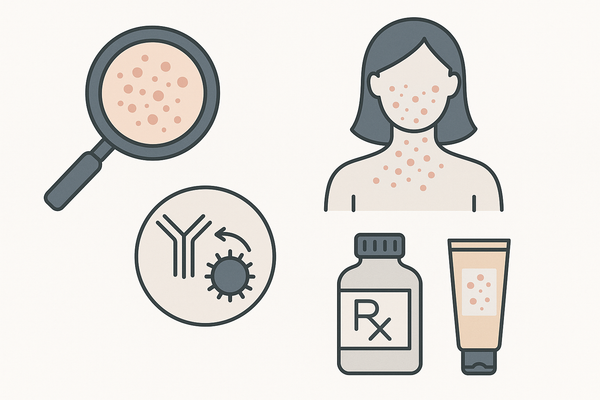
- Definition: Cutaneous reactions triggered by a drug’s interaction with the immune system.
- Presentation: Ranges from flat red macules (morbilliform) to raised hives or bullous lesions.
- Mechanism: Immune-mediated hypersensitivity types I–IV, where the body misidentifies a drug as harmful.
- Real-world note: 2–3% of patients develop a mild drug rash when starting antibiotics or NSAIDs.
For more on recognizing the subtle signs of drug-induced eruptions, visit Rash Detector's identifying guide.
2. Common Medications That Can Trigger Rashes
Examples by drug class:
- Antibiotics: penicillins, sulfonamides
- Anticonvulsants: phenytoin, lamotrigine
- NSAIDs: ibuprofen, naproxen
- Chemotherapeutic agents: cytotoxic cancer therapies
3. Differentiating Medication Rashes from Other Rashes
- Timeline clues:
- Morbilliform eruptions appear 4–14 days after drug start.
- Urticaria often within hours of exposure.
- Morphology & distribution:
- Migratory wheals vs. static red papules.
- Widespread vs. localized contact reactions.
- Comparison:
- Viral exanthems: fever, runny nose, sore throat.
- Contact dermatitis: restricted to allergen site.
Section 2: Recognizing the Symptoms
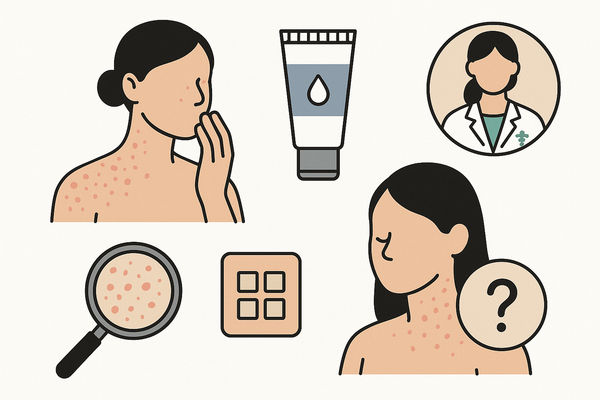
1. Common Symptoms of Medication-Induced Rashes
- Erythematous or pink macules and papules
- Pruritus (itching)
- Urticaria (hives): pale-centered welts that migrate
- Peeling skin or desquamation in late-phase eruptions
2. Warning Signs Requiring Immediate Medical Attention
- Respiratory distress: wheezing or throat tightness
- Mucosal involvement: painful sores in mouth, eyes, or genitals
- Extensive epidermal detachment (Stevens-Johnson syndrome or TEN)
- Hypotension or syncope
3. Importance of Timely Recognition & Self-Monitoring
- Keep a daily log: note onset, description, medication changes, and systemic signs.
- Early physician consult reduces risk of severe complications.
- Patient tip: take photos to document progression before treatment alters appearance.
Section 3: Diagnosis and When to Seek Professional Help
1. Diagnostic Steps by Healthcare Providers
- Comprehensive medication history: start dates, dose changes, OTC drugs.
- Physical exam: assess morphology, distribution, mucosal involvement.
- Laboratory tests: CBC, liver and kidney panels if systemic symptoms exist.
- Skin biopsy: for atypical or severe reactions to confirm diagnosis.
2. When to Consult a Doctor & Key Questions to Ask
- Any new rash following drug initiation, especially with systemic signs.
- Ask:
- “Could this be a drug reaction?”
- “Should I stop or switch my medication?”
- “What safer alternatives or treatments do you recommend?”
3. Risks of Misdiagnosis
- Viral exanthems, eczema, and contact dermatitis can mimic drug rashes.
- Mislabeling a rash may lead to inappropriate treatment and ongoing risk.
- Professional evaluation ensures accurate identification and tailored care.
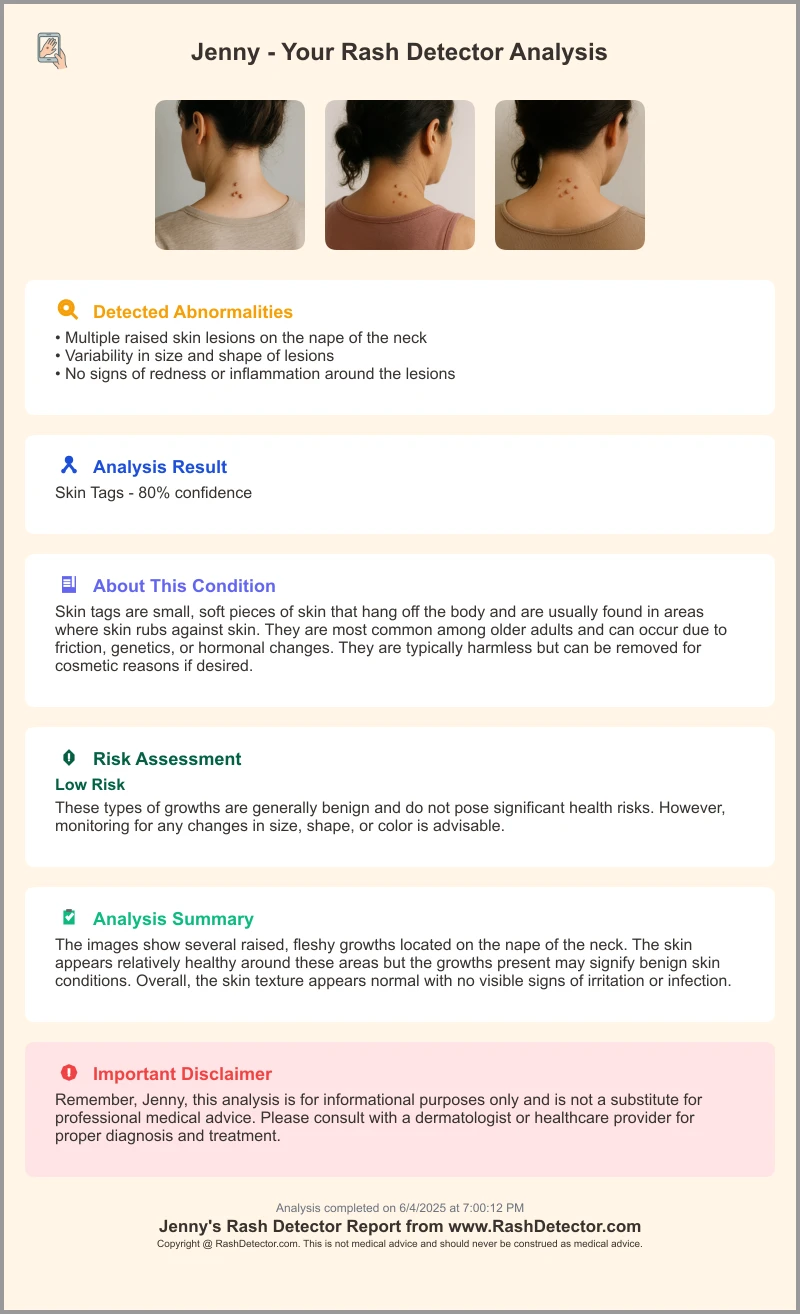
The Rash Detector AI skin analysis app can provide instant preliminary assessments from photos.
Section 4: Management and Treatment Options
1. Immediate Medication Rash Treatment Strategies
- Discontinue offending medication under physician guidance.
- Antihistamines: oral (cetirizine) or topical for urticaria relief.
- Corticosteroids: topical creams or short-course oral steroids.
- Epinephrine: for anaphylaxis or severe type I reactions.
- Supportive wound care: manage fluid loss and prevent infection in SJS/TEN.
2. Self-Care Tips and Home Remedies
- Cool compresses to reduce heat and itching.
- Oatmeal baths to soothe inflamed skin.
- Non-sedating OTC antihistamines for mild hives.
- Gentle skin care: avoid harsh soaps, trim nails to prevent scratching injuries.
3. Prescription Treatments and Medication Adjustments
- High-potency corticosteroids or immunosuppressants for severe reactions.
- Desensitization protocols under specialist supervision.
- Alternative therapies: switch to less allergenic drug classes when possible.
Explore our guide on managing drug allergy rash for detailed strategies.
4. Importance of Guided Medication Discontinuation and Alternatives
- Never stop critical medications (e.g., antiepileptics) without medical advice.
- Providers may offer substitutes or tapering plans to maintain therapeutic benefit.
Section 5: Preventive Measures and Long-Term Management
1. Preventive Strategies
- Pre-treatment allergy testing (e.g., penicillin skin testing).
- Gradual dose titration for immunomodulators or anticonvulsants.
- Maintain an up-to-date allergy record accessible to all providers.
2. Long-Term Skin Care After a Rash
- Use gentle, fragrance-free cleansers and moisturizers to restore the skin barrier.
- Apply broad-spectrum sunscreen to prevent post-inflammatory hyperpigmentation.
- Schedule dermatology follow-up for scarring, pigmentation changes, or chronic dryness.
3. Effective Communication with Healthcare Providers
- Always report past drug reactions before starting new prescriptions.
- Ask for a written emergency plan outlining steps if rashes recur.
- Engage in shared decision-making about future medication choices.
Conclusion
Timely recognition, accurate diagnosis, and evidence-based treatment are essential to prevent complications from medication-induced rashes. Early cessation of the offending drug, symptom relief with antihistamines or corticosteroids, and supportive care for severe reactions form the cornerstones of management. Preventive strategies—like allergy testing, dose titration, and clear communication with healthcare providers—help reduce future risks. By partnering with your medical team and staying informed, you can ensure safe, effective care for medication-induced rashes and protect your long-term skin health.
FAQ
- Q: What should I do if I develop a rash after starting a new medication?
A: Contact your healthcare provider immediately. Document the rash onset, take photos, and never stop medication without medical advice. - Q: When is a medication rash an emergency?
A: Seek urgent care if you experience respiratory distress, mucosal sores, extensive skin peeling, or signs of hypotension. - Q: Can rashes appear weeks after starting a drug?
A: Yes. Morbilliform eruptions may appear 4–14 days after initiation. Always inform your provider of any recent medication changes. - Q: How are medication-induced rashes diagnosed?
A: Diagnosis involves a detailed medication history, physical exam, lab tests, and sometimes a skin biopsy for atypical or severe cases. - Q: How can I prevent future drug rashes?
A: Maintain an up-to-date allergy record, consider pre-treatment testing, and work with your provider on dose titration or alternative therapies.