Complete Guide to Medication Rash Treatment: Identifying, Managing, and Preventing Medication-Induced Rashes
Learn medication rash treatment essentials, including identifying, managing, and preventing medication-induced rashes for safety and skin health.

Estimated reading time: 12 minutes
Key Takeaways
- Early recognition of medication-induced rashes is vital for safety and comfort.
- Understand when to seek urgent or emergency care.
- Utilize appropriate OTC and prescription treatments under medical guidance.
- Never self-discontinue critical medications; always consult your provider.
- Maintain clear drug allergy records and adopt preventive strategies.
Table of Contents
- Section 1: Understanding Medication-Induced Rashes
- Section 2: Identifying a Medication-Induced Rash
- Section 3: When to Seek Medical Advice
- Section 4: Treatment Options for Medication Rash
- Section 5: Preventive Measures and Follow-Up
- Conclusion
Section 1: Understanding Medication-Induced Rashes
What is a drug eruption?
A drug eruption is an adverse skin reaction triggered by a medication. It can be immunologic (allergy-based) or non-immunologic (side-effect based).
- Immunologic reactions:
- T-cell–mediated responses (delayed hypersensitivity)
- Antibody-mediated reactions (IgE-driven hives or anaphylaxis)
- Non-immunologic reactions:
- Photosensitivity (sun-triggered rash)
- Direct toxicity (dose-related)
Common causative drug classes
- Antibiotics: penicillins, sulfonamides
- NSAIDs: ibuprofen, naproxen
- Opioids (e.g., codeine)
- Anti-seizure drugs: carbamazepine, lamotrigine
- Blood pressure medications: ACE inhibitors, beta-blockers
- Chemotherapy agents and contrast dyes
Typical rash presentations and severity
- Morbilliform rash: red macules and papules, starts on trunk
- Urticaria (hives): transient, itchy wheals
- Pruritus (itching): may occur with minimal visible lesions
- Photosensitive eruption: limited to sun-exposed areas
- Severe reactions: blistering, mucosal ulcers, fever, organ involvement
Triggers and risk factors
- Prior drug allergies or family history
- High-dose or prolonged medication courses
- Concurrent viral infections (e.g., amoxicillin in mono)
- Autoimmune or immunocompromised states
- Polypharmacy and drug interactions
Section 2: Identifying a Medication-Induced Rash
Step-by-step: recognizing a medication rash
1. Timing—days to weeks after starting a new drug; anaphylaxis may appear within minutes.
2. Appearance—flat vs. raised lesions; red spots, bumps, blisters; localized vs. widespread.
3. Symptoms—itch vs. pain, burning; fever, malaise, facial or throat swelling.
4. Medication review—list all prescription, OTC, supplements; note dates and dose changes.
Differentiating rash patterns
- Scalp-limited vs. psoriasis or dandruff
- Contact-type topical irritation vs. systemic pill reaction
- Allergic (hives, angioedema) vs. non-allergic (photosensitivity)
When to suspect a medication cause
- Rash appears after starting or increasing a dose
- Improvement when skipped (only under medical advice)
- No new skincare products or environmental exposures
- Known allergy to related drug class
Section 3: When to Seek Medical Advice
Emergency warning signs (call 911 or go to ER)
Difficulty breathing, facial/throat swelling, hypotension, rapid blistering or peeling (possible SJS/TEN), mucosal ulcers, high fever (possible DRESS).
Urgent (same-day) evaluation
Widespread, intensely itchy rash unresponsive to OTC antihistamines after 24 hrs; rapidly spreading rash with low-grade fever; use of high-risk meds.
How to document for your provider
Create a complete medication list with dates, timeline of rash progression, serial photos, and any systemic symptoms.
Section 4: Treatment Options for Medication Rash
1. Stop or switch the offending medication
Under medical supervision, stop non-essential drugs first; substitute essential meds with safer alternatives; rechallenge only under specialist care.
2. Over-the-counter rash remedies
For a detailed comparison, see the OTC vs prescription rash treatment guide.
- Oral antihistamines: cetirizine, loratadine, diphenhydramine (drowsiness risk)
- Topical hydrocortisone 1%: apply thin layer; avoid long-term face/genitals use
- See best anti-itch creams for options
- Emollients: fragrance-free moisturizers, colloidal oatmeal, calamine
- Skin care: cool compresses, lukewarm baths, mild soaps
3. Prescription treatments for drug rash
- Prescription antihistamines (higher-dose or combo)
- Topical corticosteroids (medium/high potency, e.g., betamethasone)
- Systemic corticosteroids (oral prednisone taper for DRESS)
- IVIG for SJS/TEN in ICU settings
- Epinephrine (IM) for anaphylaxis; auto-injectors for high-risk patients
4. Natural/home remedies
Cool/oatmeal baths and pure aloe vera for mild soothing—discuss with your provider as they may cause contact allergies.
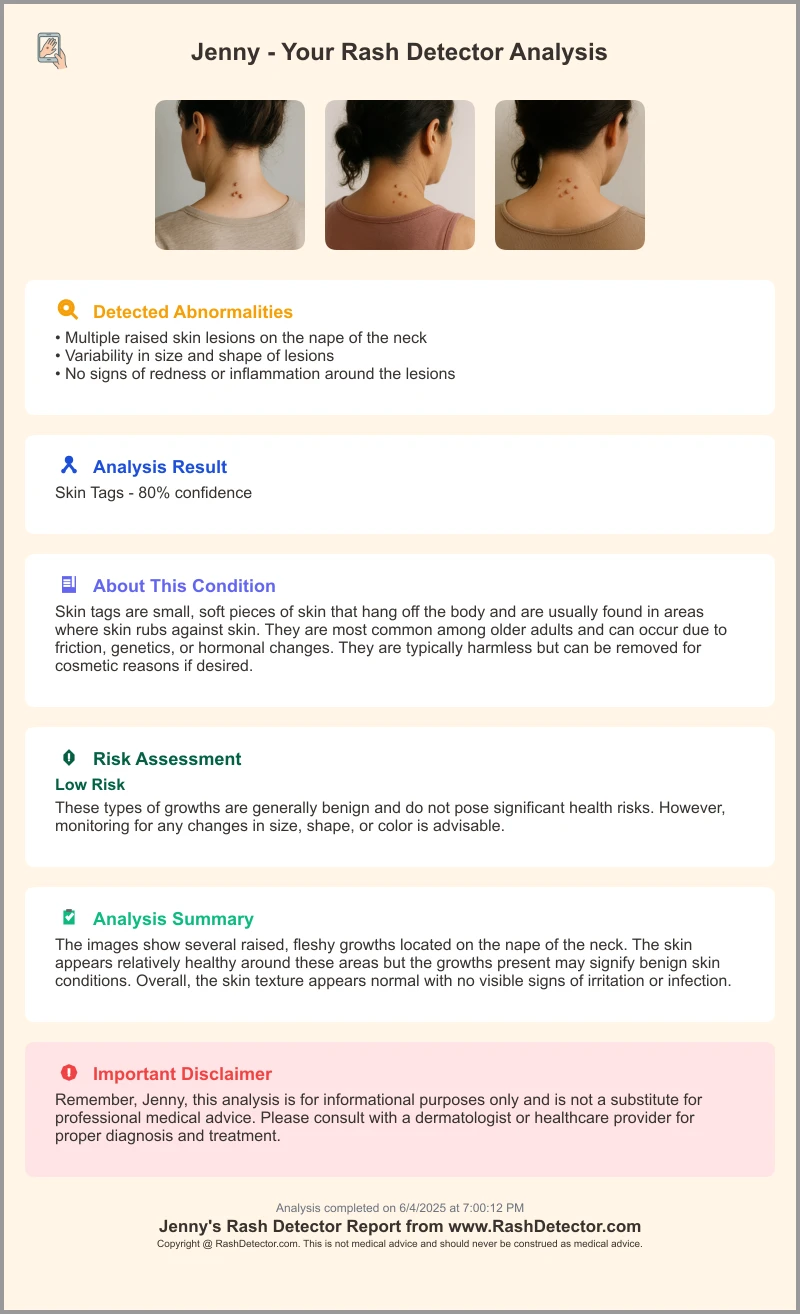
For deeper insight, upload rash images to the Skin Analysis App by Rash Detector for AI-driven analysis. The generated report aids tracking and provider discussions.
Section 5: Preventive Measures and Follow-Up
Strategies to prevent recurrence
Maintain a written or digital allergy list; inform every provider; avoid cross-reactive drug classes; consider an allergist consultation for safe alternatives.
Monitoring progress
Take daily photos, track itch/pain on a 1–10 scale, and log treatments with skin responses.
Importance of follow-up
Ensure full resolution, safely taper corticosteroids, and plan future prescriptions or specialist referrals (dermatology, allergy/immunology).
Conclusion
Medication rash treatment starts with recognizing timing and rash symptoms, followed by safe evaluation and tailored therapies—from OTC antihistamines and hydrocortisone to prescription steroids, IVIG, or epinephrine for severe reactions. Knowing emergency warning signs ensures prompt care for anaphylaxis, SJS/TEN, or DRESS. Preventive steps, including clear allergy documentation and open provider communication, help minimize future incidents.
FAQ
What are common signs of a medication-induced rash?
Typically red macules/papules, itchy wheals, burning sensations, sometimes accompanied by fever or facial swelling.
When should I seek emergency medical care?
If you experience difficulty breathing, throat or facial swelling, rapid blistering, or high fever—call 911 or go to the ER immediately.
How can I prevent future medication rashes?
Keep detailed allergy records, avoid known triggers, communicate with all healthcare providers, and consider specialist testing for safe alternatives.