Breakthrough Therapies for Skin Rashes: Next-Gen Treatments Transforming Dermatology
Explore breakthrough therapies for skin rashes including biologics and small-molecule drugs, offering new hope for effective and rapid rash relief.

Estimated reading time: 7 minutes
Key Takeaways
- Next-gen therapies target specific immune pathways, offering faster and safer rash relief.
- Biologics like dupilumab and secukinumab show high clearance rates in clinical trials.
- Small-molecule agents, including JAK inhibitors, deliver rapid symptom improvement.
- FDA breakthrough designation accelerates development and patient access.
- Future directions include gene therapies and personalized medicine approaches.
Table of Contents
- Understanding Skin Rashes
- What Are Breakthrough Therapies?
- In-Depth Look at Breakthrough Therapies for Skin Rashes
- Impact on Patients & Future Directions
- Conclusion
- FAQ
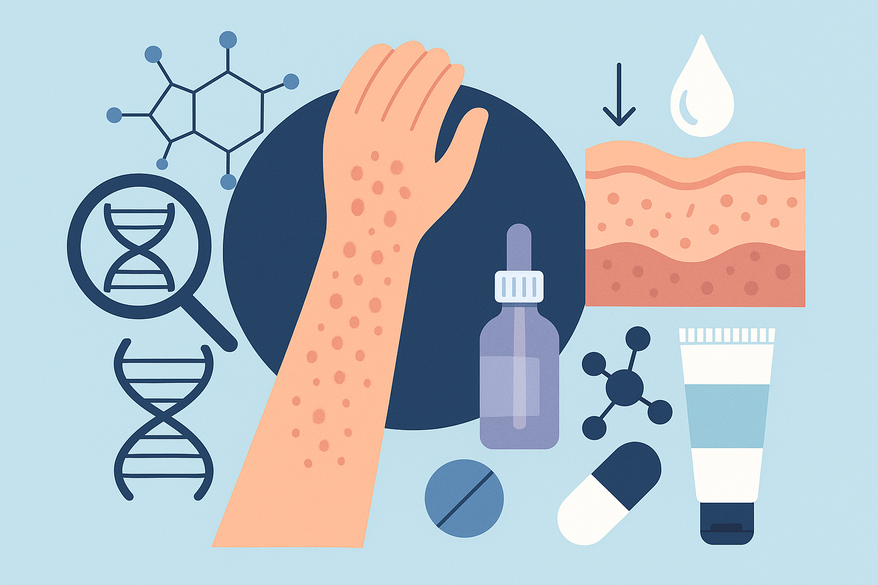
Breakthrough therapies for skin rashes are changing the way we treat redness, bumps, blisters, and scaling. Skin rashes are visible changes or inflammation in the skin, often presenting as redness, bumps, blisters, or scaling. Common causes include allergies, infections, autoimmune disorders, medications, and irritants. These rashes can lead to discomfort, itching, pain, and social or emotional distress, affecting daily life and self-confidence.
Traditional treatments like creams or antihistamines help some people but often fall short for severe or chronic cases. Breakthrough therapies for skin rashes are novel, biologically based treatments that offer substantial improvements over standard care. They work by targeting specific immune pathways or using smart molecules to calm inflammation faster and more safely. This article will inform you about new, cutting-edge treatments and how they can transform rash relief.
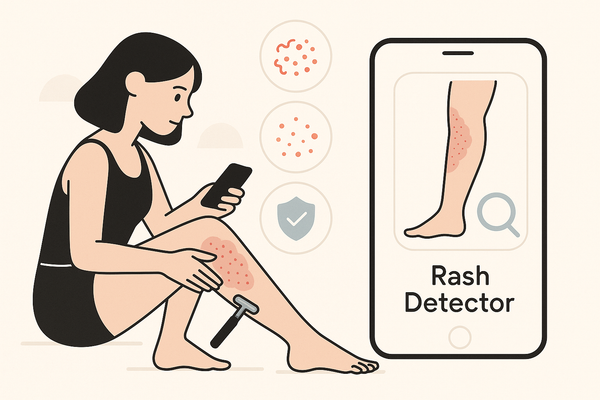
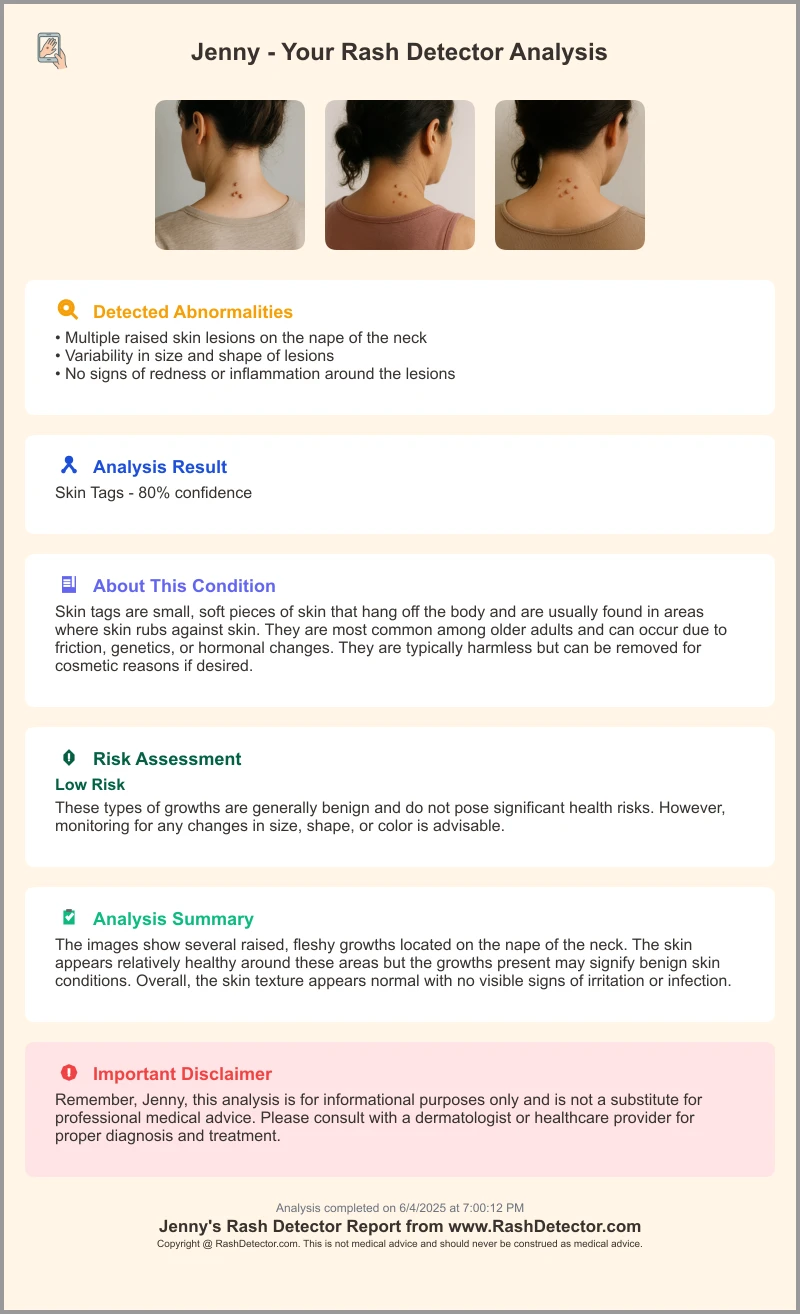
For a quick, AI-powered assessment of your rash and to get personalized insights, you can use Rash Detector by uploading photos of your skin concern—then receive an instant, detailed analysis.
Understanding Skin Rashes
Types of Skin Rashes
- Eczema (atopic dermatitis): chronic itch and dry patches.
- Psoriasis: raised red plaques with silver scale.
- Contact dermatitis: rash after touching allergens or irritants.
- Urticaria (hives): itchy welts that move around.
- Drug eruptions: rashes triggered by medications.
Symptoms & Causes
- Symptoms: redness, swelling, itching, pain, blisters, oozing, scaling.
- Causes:
- Allergic reactions (foods, pollen, pet dander)
- Infections (bacterial, viral, fungal)
- Autoimmune activity (immune system attacks skin)
- Chemical irritants (soaps, detergents, solvents)
- Genetics (family history of eczema or psoriasis)
Limitations of Traditional Treatments
- Topical corticosteroids: risk of thinning skin with long-term use.
- Antihistamines: reduce itch but may cause drowsiness.
- Emollients (moisturizers): improve dryness but may not stop flare-ups.
- Systemic immunosuppressants: powerful but increase infection risk.
- Antibiotics: only work on bacterial causes.
These therapies can be limited by variable results, safety concerns, and slow healing time. That gap has driven the search for breakthrough therapies for skin rashes. For an in-depth comparison of eczema versus psoriasis, see our post Eczema vs Psoriasis Rash: How to Differentiate Common Chronic Skin Disorders.
What Are Breakthrough Therapies?
Breakthrough therapies for skin rashes are drugs or treatments designated “breakthrough” by the FDA. To earn this label, a therapy must show early clinical evidence of substantial improvement over existing options for serious conditions.
Criteria for Breakthrough Designation
- Preliminary clinical evidence of clear advantage in efficacy or safety.
- Addresses an unmet medical need in serious or life-threatening cases.
- Benefits from expedited review, rolling submissions, and priority review.
Significance vs. Standard Treatments
- Faster development and approval timelines.
- Closer collaboration between sponsors and regulators.
- Earlier patient access to novel medicines.
Breakthrough therapies often move from lab to patient faster than standard drugs. This speed can mean relief months or years sooner for people with stubborn or severe skin rashes.
In-Depth Look at Breakthrough Therapies for Skin Rashes
Biologic Agents in Atopic Dermatitis & Psoriasis
- Dupilumab (IL-4/IL-13 inhibitor)
- Mechanism: blocks Th2 cytokine signaling to reduce inflammation.
- Clinical data: Over 75% of patients achieved clear or almost clear skin by week 16 in Phase III trials.
- Secukinumab (IL-17A inhibitor)
- Mechanism: targets IL-17 to improve plaque psoriasis.
- Trial results: 80% of patients reached PASI 75 response at week 12.
Small-Molecule & Novel Monoclonal Therapies
- JAK inhibitors (e.g., Upadacitinib) for refractory eczema
- Mechanism: blocks JAK-STAT pathway to reduce itch and inflammation.
- Results: rapid itch relief within days in early studies.
- Emerging monoclonal antibodies in Phase II trials for rare drug eruptions
- Aim: neutralize specific immune triggers to prevent skin cell damage.
Mechanisms & Precision Medicine
Targeted therapies focus on precise disease drivers rather than broad immunosuppression. This approach offers specificity, reduced side effects, and predictable outcomes based on clear biological pathways.
Clinical Trials & Expert Opinions
- Early-phase endpoints include lesion area reduction, itch Visual Analog Scale (VAS) scores, and Dermatology Life Quality Index (DLQI) improvements.
- Collaborative model: academia, pharma, and regulators share data and align on trial design to speed innovation.
- Expert view: Dr. Maria Chen, dermatologist, notes that “breakthrough therapies are setting new benchmarks for safety and patient satisfaction.”
Stay updated on the latest research in emerging therapies with our post Latest Clinical Trials for Rash Treatment: Emerging Therapies and Research Updates.
Impact on Patients & Future Directions
Benefits of Breakthrough Therapies for Skin Rashes
- Enhanced efficacy in severe and chronic cases.
- Faster symptom relief (days to weeks vs. months).
- Improved safety profile compared to long-term steroids or broad immunosuppressants.
Risks & Challenges
- Unknown long-term adverse effects.
- High cost and limited insurance coverage.
- Potential for immunogenicity or rare allergic reactions.
Future Research & Innovations
- Gene therapies targeting skin-specific mutations for inherited disorders.
- Personalized medicine using patient biomarker profiles to match the right drug (Data-Driven Rash Treatment Insights Revolutionizing Precision Dermatology).
- New regulatory pathways: accelerated approval and conditional approvals for high-need cases.
- Ongoing trials (e.g., NCT04212345 for a novel IL-23 antagonist).
Breakthrough therapies for skin rashes are paving the way for safer, faster, and more precise care. Continued research and collaboration will expand access and drive down costs over time.
Conclusion
Breakthrough therapies for skin rashes are redefining dermatology by offering targeted, effective, and rapidly accessible treatments. These next-gen options improve patient outcomes, reduce side effects, and restore quality of life for those with stubborn or severe rashes. Always consult a dermatologist to discuss which therapy is right for you.
For further reading:
Share your experiences with breakthrough therapies for skin rashes in the comments below. Subscribe to our newsletter for updates on next-gen treatments and join the conversation on Facebook, Twitter, and LinkedIn!
FAQ
What qualifies a treatment as a breakthrough therapy?
A breakthrough therapy is designated by the FDA when preliminary clinical evidence shows a clear advantage in efficacy or safety over existing options and addresses an unmet medical need in serious conditions.
Are these new therapies safe for long-term use?
Early clinical data indicate a favorable safety profile for many biologics and small molecules, but long-term adverse effects are still under study and monitored in ongoing trials.
How can patients access breakthrough therapies?
Patients should consult a dermatologist to discuss eligibility. Some treatments are available through FDA approval, while others may be accessed via clinical trials or compassionate use programs.
Will these treatments be covered by insurance?
Coverage varies by insurer and plan. Many insurers cover FDA-approved biologics, but out-of-pocket costs or prior authorization requirements may apply.