The Best Treatment Option for Skin Rash: A Comprehensive Guide for Effective Relief
Discover the best treatment option for skin rash in this comprehensive guide. Learn about causes, symptoms, and effective relief strategies tailored to your needs.

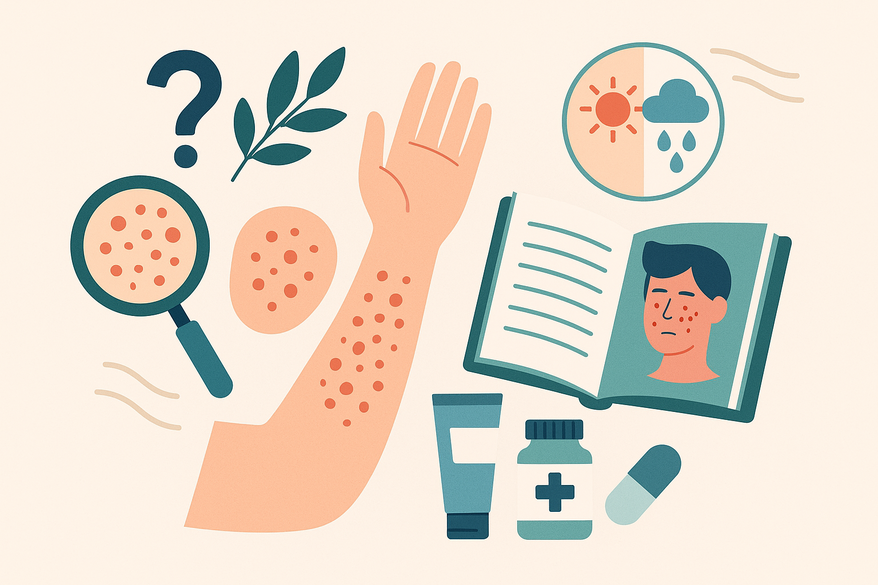
Estimated reading time: 7 minutes
Key Takeaways
- Individualized treatment plans based on rash type and severity deliver optimal relief.
- Topical corticosteroids and antifungals are often first-line therapies.
- Home remedies and lifestyle adjustments can support mild cases and prevent flares.
- Severe, infectious, or persistent rashes warrant professional evaluation.
Table of Contents
- Introduction
- What Is a Skin Rash?
- Comprehensive List of Skin Rash Treatments
- How to Determine the Best Treatment Option for Skin Rash
- Step-by-Step Management of Skin Rashes
- Real-Life Success Stories
- Conclusion
- Additional Resources
- FAQ
Introduction
- The best treatment option for skin rash varies by cause, severity, and individual needs.
- Skin rashes are a common dermatological complaint—affecting millions annually—and choosing the right therapy is crucial for relief, faster recovery, and preventing complications.
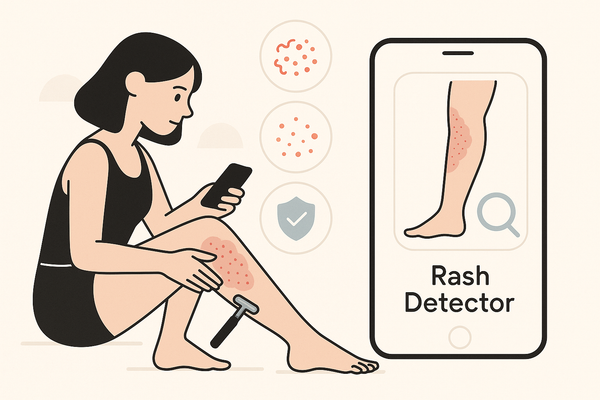
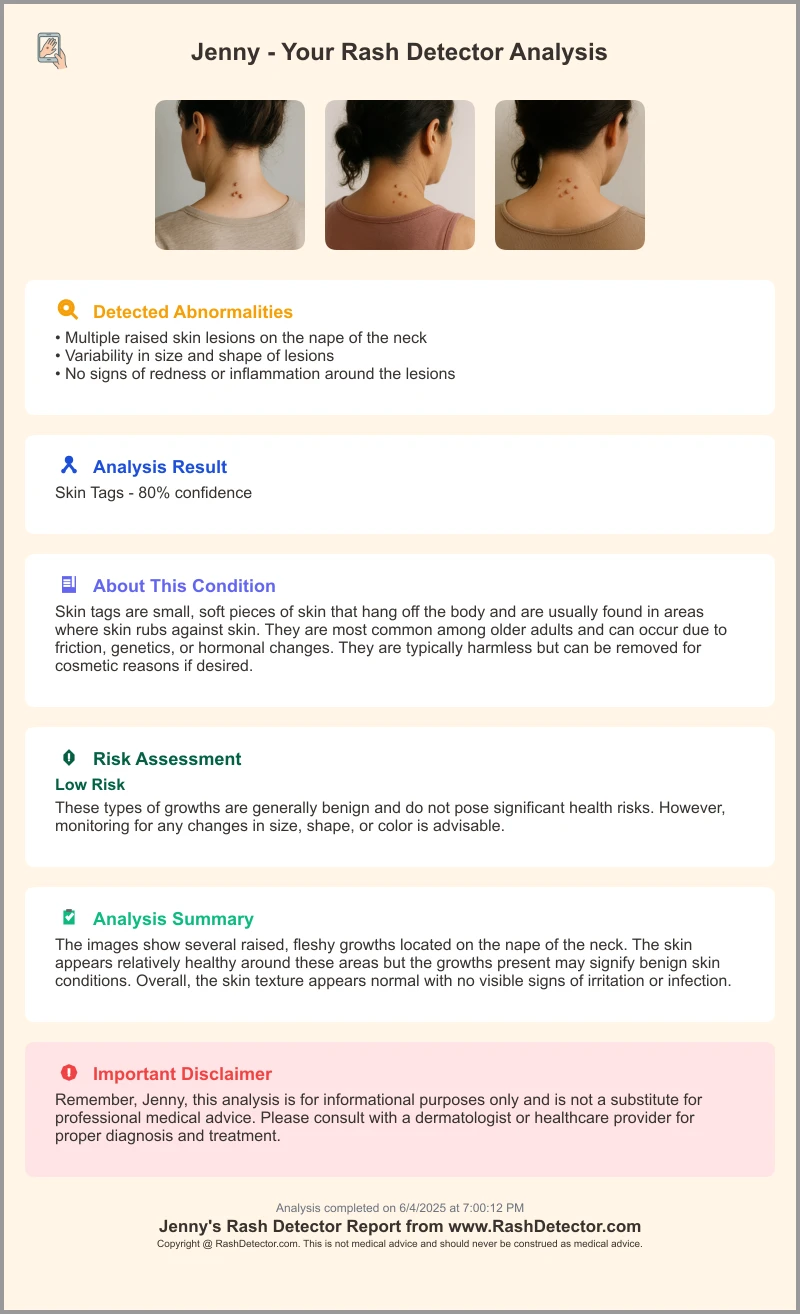
You can upload photos of your rash for instant, computer-assisted analysis with Rash Detector, a convenient AI skin analysis app.
What Is a Skin Rash?
A skin rash is a noticeable change in the skin’s appearance—redness, bumps, swelling, or irritation—often accompanied by itching, burning, or discomfort.
Common Symptoms
- Redness
- Swelling
- Itching
- Pain
- Blistering or peeling
Identifying symptoms early helps you choose the best treatment option for skin rash and avoid complications.
Underlying Causes of Skin Rashes
All rashes originate from an underlying trigger. Knowing the root cause is essential to select the best treatment.
- Allergic reactions (foods, medications, cosmetics, plants such as poison ivy)
- Infections: bacterial, viral, or fungal
- Environmental factors: heat, humidity, irritant chemicals
- Autoimmune conditions: eczema, psoriasis
- Stress and genetic predisposition
Comprehensive List of Skin Rash Treatments
The choice of the best treatment option for skin rash depends on rash type, cause, and severity. Below is a structured overview of available therapies.
Topical Treatments
- Corticosteroid creams/ointments
– Reduce inflammation and itching.
– First-line for eczema and psoriasis. - Antifungal creams
– Target fungal infections (athlete’s foot, ringworm). - Antibiotic ointments
– Treat bacterial rashes. - Calamine lotion
– Soothes itching in chickenpox and poison ivy. - Moisturizers
– Restore skin barrier and relieve dryness.
Oral Medications
- Antihistamines – Relieve allergic itching.
- Oral corticosteroids – For severe or chronic inflammation.
- Antiviral or antibiotic drugs – For viral or bacterial causes.
Home Remedies & Natural Therapies
- Cool compresses or ice packs – Reduce swelling, soothe irritation.
- Oatmeal baths – Relieve itching in eczema and psoriasis Learn more
- Aloe vera gel – Natural anti-inflammatory, cooling effect.
- Chamomile tea compresses – Soothe irritation.
Lifestyle & Prevention
- Avoid scratching; keep nails short to prevent infection.
- Identify and avoid triggers (harsh soaps, allergens, chemicals).
Advanced & Specialized Treatments
- Biologic drugs – For severe, chronic cases like advanced psoriasis.
How to Determine the Best Treatment Option for Skin Rash
Selecting the best treatment option for skin rash requires comparing key criteria and matching therapies to patient needs.
Key Criteria
- Effectiveness – Resolves symptoms and addresses cause
- Speed of relief – Time to noticeable improvement
- Side effects – Risk profile and contraindications
- Ease of access – OTC vs prescription availability
Comparing Options
Pharmaceuticals often act faster but may carry more side effects, while home remedies have fewer risks but may be insufficient for severe or infectious rashes. For detailed identification and treatment of common itchy rashes, visit the Rash Detector blog.
Step-by-Step Management of Skin Rashes
Follow this guide to manage an acute rash effectively and safely.
- Assess the Rash
• Document appearance, distribution, color, and texture.
• Note associated symptoms (fever, pain) and recent exposures. - Choose the Appropriate Treatment
– Mild itching: OTC hydrocortisone, calamine, moisturizers
– Suspected infection: medical evaluation for antibiotics or antifungals
– Severe/widespread: consult a healthcare provider - Avoid Aggravating the Rash
• Discontinue new products or cosmetics.
• Avoid scrubbing; use gentle cleansers.
• Do not scratch. - Monitor Progress
• Mild rashes should improve within days.
• Seek medical advice if rapid spreading, severe pain, fever, or persistence beyond one week.
Real-Life Success Stories
These examples illustrate how matching treatment to cause yields optimal relief.
Case 1: Allergic Contact Dermatitis
- Scenario: Red, itchy rash after using a new laundry detergent.
- Management: Switch to fragrance-free detergent, apply 1% hydrocortisone cream twice daily, liberal moisturizing.
- Outcome: Significant relief within 48 hours, full resolution in one week.
Case 2: Eczema Flare
- Scenario: Chronic atopic dermatitis with frequent flares.
- Management: Daily fragrance-free moisturizer, intermittent mid-potency topical steroids during flares.
- Outcome: Flares reduced from biweekly to quarterly, improved sleep and comfort.
Case 3: Fungal Infection (Athlete’s Foot)
- Scenario: Itchy, scaly rash between toes after gym use.
- Management: OTC terbinafine cream applied daily for two weeks.
- Outcome: Complete resolution by day 14, no recurrence at one-month follow-up.
Conclusion
The best treatment option for skin rash is individualized. Key takeaways:
- Balance effectiveness, speed of relief, safety, and accessibility.
- Accurate identification of the rash’s cause guides therapy.
- Mild cases often resolve with home remedies and OTC products.
- Severe, infectious, or persistent rashes require professional evaluation and possibly prescription or specialized treatments.
Always consult a board-certified dermatologist or healthcare provider for personalized, evidence-based advice.
Additional Resources
For further learning and trusted guidance, explore:
- American Academy of Dermatology – Rash guides and photo library
- National Eczema Association – Eczema management resources
- Mayo Clinic – Skin rash overview and treatments
- Centers for Disease Control and Prevention (CDC) – Skin condition fact sheets
- Recent clinical studies in Journal of the American Academy of Dermatology
FAQ
- What’s the fastest way to relieve itching from a rash?
Cool compresses, OTC hydrocortisone, and calamine lotion often provide quick itch relief. - When should I see a doctor for my rash?
Seek professional help if the rash spreads rapidly, is extremely painful, is accompanied by fever, or doesn’t improve after one week of self-care. - Can I use home remedies instead of medication?
For mild rashes, home remedies like oatmeal baths and aloe vera can help, but persistent or infectious rashes may need pharmaceutical treatment. - How do I prevent recurring rashes?
Identify and avoid triggers, maintain good skin hygiene, use gentle cleansers, and apply moisturizers regularly.