Arm Rash: Causes, Symptoms, and the Smartest Next Steps
Learn about arm rash causes, symptoms, and how to get fast, accurate analysis. Discover diagnosis options and treatment tips for your arm rash.


Estimated reading time: 8 min
Key Takeaways
- Arm rash can result from allergies, infections, irritants, or medications.
- Recognizing arm rash symptoms helps guide effective treatment.
- Severe or persistent rashes require prompt medical attention.
- AI tools like Rash Detector can help identify possible causes in minutes.
Table of Contents
- Section 1: What Is an Arm Rash?
- Section 2: Common Causes of Arm Rash
- Section 3: Recognizing Symptoms and When to Worry
- Section 4: Diagnosis Using Rash Detector
- Section 5: Treatment and Relief Options
- Conclusion
- FAQ
Section 1: What Is an Arm Rash?
Definition and Overview
An arm rash describes any visible change or irritation of the skin on the upper or lower arm. Rashes may appear as red patches, bumps, blisters, or peeling skin. They can be itchy, painful, or even asymptomatic. While many cases are mild and resolve quickly, some arm rashes indicate underlying health issues that require attention.
Why Location Matters
- Rashes on the inside of the elbow often result from sweat, friction, or eczema.
- Outer arm rashes may be linked to sun exposure, contact with plants, or allergic reactions.
- Both arms affected? Consider systemic causes like medication reactions or viral infections.
Section 2: Common Causes of Arm Rash
Allergic and Irritant Contact Dermatitis
Exposure to new soaps, detergents, lotions, or plants (like poison ivy) can trigger an immune response. The result: red, itchy patches localized to where the substance touched your skin.
- Nickel and metal jewelry
- Fragrances and preservatives in personal care products
- Latex gloves
Heat Rash (Miliaria)
Blocked sweat ducts lead to tiny red bumps, often accompanied by itching or prickling. Heat rash is common in hot, humid weather—especially in skin folds.
Drug Reactions
Certain medications can cause widespread rashes, including on the arms. If you notice a rash after starting a new drug, review the medication's side effects and consult a healthcare provider. For more on medication-induced rashes, see Rash from Medication: Causes, Symptoms & Next Steps.
Infections
- Viral: Chickenpox, measles, and some viral fevers can cause arm rashes.
- Bacterial: Impetigo or cellulitis may present as red, sometimes oozing patches.
- Fungal: Ringworm often appears as a circular, scaly rash.
Chronic Skin Conditions
- Eczema (atopic dermatitis): Chronic, itchy, inflamed skin, especially in the elbow creases.
- Psoriasis: Well-defined, silvery plaques on the elbows and forearms.
Section 3: Recognizing Symptoms and When to Worry
Common Symptoms
- Redness, swelling, or warmth
- Itchiness or burning sensation
- Blisters or oozing
- Dry, scaly, or cracked skin
Warning Signs
- Fever or feeling unwell
- Rapidly spreading rash
- Pain, swelling, or pus
- Shortness of breath or facial swelling (possible severe allergy)
Seek urgent care if you experience these warning signs. Otherwise, monitoring at home and using gentle skin care may be sufficient for mild rashes.
Section 4: Diagnosis Using Rash Detector
How Rash Detector Works
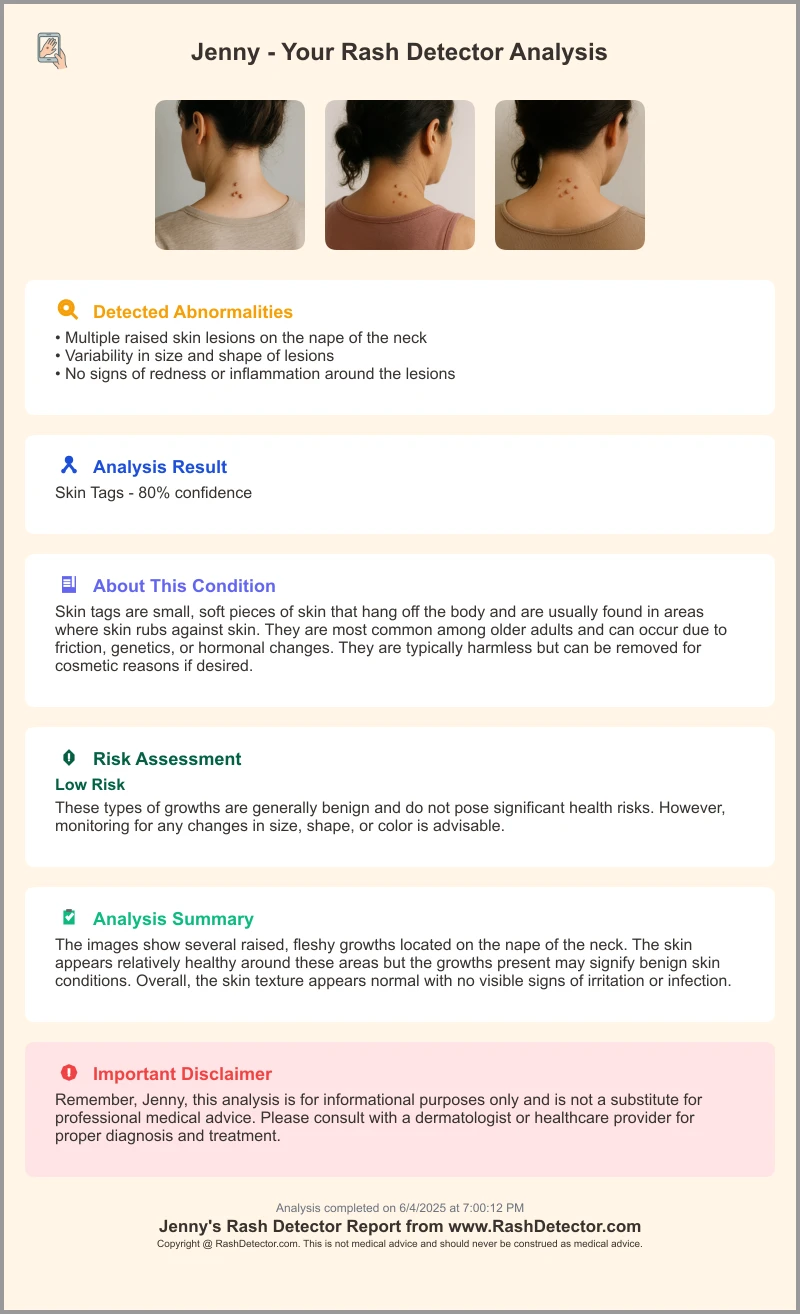
Accurate diagnosis of an arm rash can be challenging, especially since many skin conditions look similar. Rash Detector uses AI to analyze three uploaded images of your rash, instantly providing possible causes and personalized guidance. This can help you understand whether your rash is likely allergic, infectious, or related to another cause.
Benefits of an AI-Powered Skin App
- Immediate feedback—no waiting for a doctor appointment
- Confidential and convenient—analyze your rash at home
- Guidance on next steps—know if self-care is safe or if you need a professional
While digital tools provide useful insights, always consult a healthcare provider for severe or persistent rashes, especially if accompanied by systemic symptoms.
Section 5: Treatment and Relief Options
Home Care for Mild Arm Rashes
- Keep the affected area clean and dry.
- Avoid scratching to prevent infection.
- Use fragrance-free moisturizers to soothe dryness.
- Apply cool compresses for itch relief.
Over-the-Counter Treatments
- Hydrocortisone cream for inflammation
- Antihistamines for allergy-related itching
- Calamine lotion for soothing mild rashes
For more details, check Best Anti Itch Cream: Top Picks and How to Choose.
When to Seek Medical Advice
- No improvement after a week of home care
- Signs of infection (pus, increasing redness, pain)
- Rash covers large areas or recurs frequently
Prescription treatments may include topical steroids, antibiotics, or other specific medications based on the underlying cause.
Prevention Tips
- Identify and avoid known irritants or allergens.
- Wear protective clothing during outdoor activities.
- Moisturize regularly to maintain skin barrier health.
- Practice good hygiene, especially after sweating or exposure to new substances.
Conclusion
An arm rash can be uncomfortable and concerning, but understanding the possible causes and symptoms makes it easier to manage. For fast, confidential analysis, consider using Rash Detector—simply upload three images for instant insights and guidance. Always consult a healthcare professional for severe, persistent, or rapidly worsening rashes.
FAQ
Q: What are the most common causes of arm rash?
A:
Allergic reactions, irritant contact, heat rash, infections, and chronic skin conditions like eczema are frequent culprits.
Q: How can I tell if my arm rash is serious?
A:
Warning signs include fever, rapid spread, severe pain, or symptoms like shortness of breath. Seek prompt medical care if these occur.
Q: Can I use Rash Detector for rashes on other body parts?
A:
Yes, Rash Detector analyzes rashes anywhere on the body—not just the arms.
Q: What should I do if OTC treatments don't help?
A:
If your rash doesn't improve after a week of self-care, or if it worsens, consult a healthcare provider for further evaluation.