Comprehensive Guide to Medication Rash Treatment
Explore effective medication rash treatment: identify, manage, and prevent drug-induced skin reactions with our comprehensive guide.

Estimated reading time: 10 minutes
Key Takeaways
- Early detection is essential to prevent mild rashes from progressing to severe cutaneous reactions.
- Differentiate between allergic and non-allergic drug eruptions to tailor treatment.
- Always discontinue the offending medication under medical supervision.
- Choose appropriate therapies—from cool compresses and antihistamines to systemic corticosteroids—for symptom relief.
- Monitor for warning signs such as widespread blisters, mucosal involvement, or systemic symptoms and seek urgent care when needed.
- Implement preventive measures—medication reviews, allergy cards, genetic screening—to reduce future risk.
Table of Contents
- Understanding Medication-Induced Rashes
- Causes and Risk Factors
- Signs and Symptoms to Watch For
- Diagnosis and Medical Evaluation
- Effective Treatment Options
- Self-Care and Home Management
- When to Seek Urgent Medical Care
- Preventive Measures and Patient Education
- Conclusion
- FAQ
Understanding Medication-Induced Rashes
Medication-induced rashes are skin eruptions—macules, papules, hives or blisters—directly triggered by prescription, OTC or herbal drugs. They range from mild urticaria to life-threatening syndromes like Stevens–Johnson syndrome (SJS) and toxic epidermal necrolysis (TEN).
Allergic vs. Non-Allergic Reactions
- Allergic (immune-mediated): IgE-driven hives or anaphylaxis; T-cell–mediated delayed maculopapular rashes and SCARs.
- Non-Allergic: Direct toxic effects at high doses or photosensitivity reactions under UV exposure.
For more on pattern recognition, see identifying specific drug eruption patterns.
Causes and Risk Factors
Drug eruptions occur when the body misidentifies a medication or its metabolite as harmful, or when the drug causes direct irritation.
- Mechanisms: Immune recognition, direct toxicity, photosensitization.
- High-Risk Medications: Penicillins, sulfonamides, anticonvulsants (lamotrigine, carbamazepine), NSAIDs, allopurinol.
- Risk Factors: Previous drug allergies, rapid dose escalation, polypharmacy, genetic predispositions (HLA variants), impaired liver or kidney function, UV exposure.
Signs and Symptoms to Watch For
Early recognition of mild signs and prompt action can prevent progression to severe reactions.
Early, Mild Signs
- Red or pink patches, itching or burning.
- Small bumps (macules) or local swelling.
Severe Warning Signs (Urgent Care)
- Skin pain, deep purple discoloration, widespread blisters or peeling.
- Mucosal sores (mouth, eyes, genitals), facial or tongue swelling, difficulty breathing.
- Fever, flu-like symptoms, hypotension, dizziness, organ dysfunction (jaundice, low urine output).
Diagnosis and Medical Evaluation
Professional evaluation is critical to distinguish benign rashes from SCARs such as SJS/TEN or DRESS.
- Obtain a detailed medication history (prescription, OTC, herbal).
- Perform a physical exam to assess lesion type, pattern and mucosal involvement.
- Withdraw the suspected drug under supervision; consider skin biopsy for atypical or severe cases.
- Use allergy testing (patch tests, intradermal, lymphocyte transformation) when indicated.
Effective Treatment Options
Treatment always begins by stopping the culprit drug. Subsequent therapy depends on the rash’s severity.
Immediate Steps
- Discontinue the offending medication safely.
- Substitute with an unrelated alternative if necessary.
Mild to Moderate Eruptions
- OTC remedies: cool compresses, oatmeal baths, fragrance-free emollients.
- Oral antihistamines for hives and itching.
- Topical corticosteroids (low-to-mid potency).
- For comparisons, see OTC vs. prescription options.
Severe or Widespread Eruptions
- Systemic corticosteroids (oral or IV) with a tapering plan.
- Intramuscular epinephrine for anaphylaxis.
- Intravenous immunoglobulin or immunosuppressives for refractory cases.
Self-Care and Home Management
- Cool compresses to relieve itching.
- Gentle, fragrance-free moisturizers to restore the skin barrier.
- Loose, breathable clothing to minimize friction.
- Avoid heat and UV exposure in photosensitive cases.
- Keep a symptom diary tracking medications and rash progression.
- Never re-expose yourself to a suspected drug without medical approval.
- Contact your provider if the rash worsens or new symptoms appear.
When to Seek Urgent Medical Care
Seek emergency attention for:
- Anaphylaxis: difficulty breathing, throat tightness.
- Extensive skin detachment, deep purple discoloration, widespread blisters.
- Mucosal involvement (mouth, eyes, genitals).
- High fever, flu-like illness, hypotension, dizziness.
- Facial or tongue swelling.
Preventive Measures and Patient Education
- Schedule routine medication reviews with your healthcare provider.
- Carry an updated drug-allergy card or digital record.
- Consider patch testing or genetic screening for high-risk drugs.
- Inform every new provider of past drug reactions.
- Avoid re-challenge with drugs that previously caused severe reactions.
Conclusion
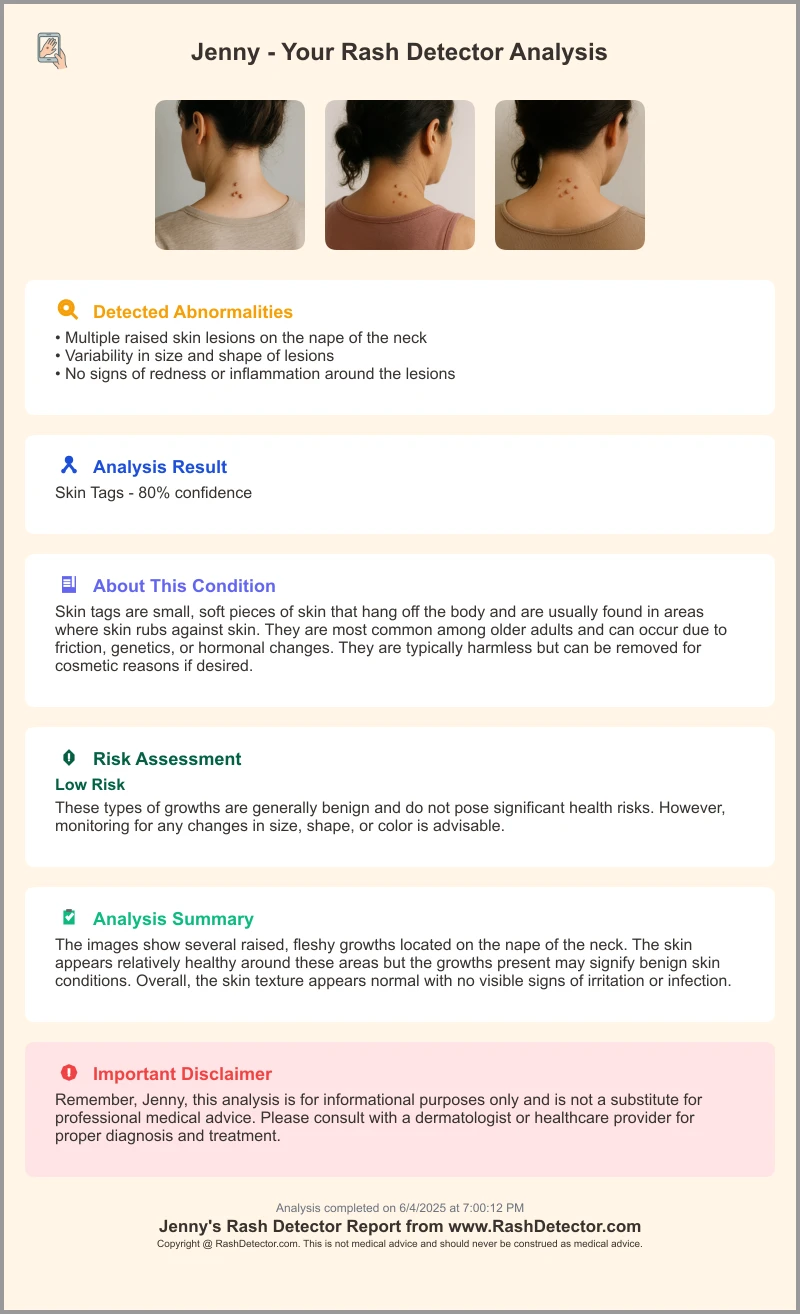
Medication-induced rashes can range from mild discomfort to life-threatening conditions. Effective management relies on three pillars: identify and stop the offending drug, relieve symptoms with targeted therapies, and seek urgent care for severe warning signs. For a quick, AI-powered preliminary assessment, try Rash Detector.
FAQ
- What is a medication-induced rash?
A skin eruption—such as hives, maculopapular rash or blisters—triggered by prescription, OTC or herbal drugs. - How are drug rashes treated?
First discontinue the offending drug, then manage symptoms with cool compresses, antihistamines, topical or systemic corticosteroids depending on severity. - When should I seek urgent care?
If you experience widespread blisters, mucosal involvement, fever, hypotension or difficulty breathing, go to the emergency department immediately. - How can I prevent future rashes?
Keep a drug-allergy record, undergo genetic screening for high-risk medications, and always inform providers of past reactions.