
Anemia Skin Rash: Causes, Symptoms & When to Seek Help
Anemia skin rash can signal low platelets or iron issues. Learn causes, signs, and how to check your rash with AI fast and private.

Estimated reading time: 18 min
Key Takeaways
- Anemia can be associated with various skin changes including petechiae and itching, often linked to low platelets or iron deficiency.
- Not all itchy or red skin in anemia is a true rash; distinguishing features matter for diagnosis and treatment.
- Petechiae and purpura are common anemia-related skin signs due to low platelet counts seen in aplastic anemia and other marrow disorders.
- Iron deficiency anemia may cause dry, itchy skin mimicking a rash, but B12 and hemolytic anemia also have distinct skin effects that require recognition.
- Iron supplements rarely cause rashes, but medication reactions must be monitored carefully to avoid delays in treatment.
- Use tools like Rash Detector for quick AI-powered rash analysis to guide next steps and support early diagnosis.
Table of Contents
- Section 1: Understanding Anemia and Skin Symptoms
- Section 2: Differentiating Itchy Skin from Anemia Skin Rash
- Section 3: Petechiae and Purpura in Anemia Explained
- Section 4: Major Anemia Types Causing Skin Changes
- Section 5: Causes of Anemia-Related Skin Issues
- Section 6: Iron Supplements and Rash Risks
- Section 7: When to See a Doctor for Anemia Skin Rash
Section 1: Understanding Anemia and Skin Symptoms
What Is Anemia?
Anemia is a condition characterized by a deficiency in the number or quality of red blood cells (RBCs) or in the hemoglobin concentration within these cells. Hemoglobin is the protein responsible for transporting oxygen from the lungs to the rest of the body. When there is insufficient hemoglobin or too few RBCs, tissues and organs receive less oxygen, leading to symptoms like fatigue, pallor, shortness of breath, and dizziness.
Globally, anemia affects a large number of people, making it a significant public health concern. Causes vary widely, including nutritional deficiencies, chronic diseases, bone marrow disorders, and blood loss. Many types of anemia can also indirectly affect the skin, resulting in visible changes.
Can Anemia Cause a Skin Rash?
While anemia is primarily a hematologic condition, it can be associated with skin symptoms that sometimes resemble rashes. These skin changes are usually secondary effects related to anemia’s underlying causes or complications, such as:
- Low platelet counts (thrombocytopenia) leading to bleeding under the skin.
- Impaired nutrient delivery causing skin dryness or pigmentation changes.
- Autoimmune or infectious processes associated with certain types of anemia that cause inflammatory skin reactions.
It is important to recognize that not all skin redness or itching in anemia patients is a true rash — some are manifestations of systemic disease or side effects of treatments.
Types of Skin Symptoms Linked to Anemia
- True rashes: These involve inflammation or allergic reactions causing visible red, raised, or itchy skin, sometimes with scaling or vesicles.
- Petechiae and purpura: Small (petechiae) or larger (purpura) red or purple spots caused by bleeding under the skin due to low platelet counts or vascular fragility.
- Dry or itchy skin: Common in iron deficiency anemia, this results from compromised skin barrier and reduced oxygen delivery, sometimes mimicking eczema or dermatitis.
- Hyperpigmentation: Darkening of the skin, especially in vitamin B12 deficiency, often affecting palms, soles, and mucous membranes.
- Jaundice: Yellow discoloration of skin and eyes in hemolytic anemia due to increased breakdown of red blood cells.
Understanding these distinctions is essential for accurate diagnosis, appropriate treatment, and avoiding unnecessary interventions.
Section 2: Differentiating Itchy Skin from Anemia Skin Rash
Itchy Skin Vs. Rash: What’s the Difference?
Itchy skin, medically termed pruritus, is a subjective sensation that causes the desire to scratch. It may occur with or without visible skin changes. A rash, in contrast, refers to objective changes in skin appearance, such as redness (erythema), bumps (papules), blisters, scaling, or lesions.
In anemia, itchy skin can arise from dryness, poor skin barrier function, or systemic effects without forming a classic rash. Conversely, true rashes involve inflammation and visible lesions, which may or may not be itchy.
Iron Deficiency Anemia and Skin Itching
Iron deficiency anemia is among the most common types worldwide and frequently leads to dry, flaky, and itchy skin. This is thought to occur because iron is vital for oxygen transport and enzymatic processes involved in skin repair and maintenance. Reduced oxygen delivery may impair skin turnover and barrier integrity, resulting in xerosis (dry skin) and pruritus.
Unlike eczema or allergic dermatitis, iron deficiency-related itching often lacks typical rash features such as vesicles, oozing, or thickened plaques. The itching may intensify in the evening and affect large areas like the limbs and trunk.
Additional signs of iron deficiency include brittle nails (koilonychia), angular stomatitis (cracks at mouth corners), and pale conjunctiva.
Recognizing True Anemia Skin Rash
- Rash with petechiae: Tiny pinpoint red spots caused by bleeding under the skin, often in clusters on the lower limbs or trunk.
- Purpura: Larger purple or bruise-like patches due to more extensive bleeding, potentially painful or tender.
- Inflammatory rashes: May appear if anemia is secondary to autoimmune diseases (e.g., lupus) or infections causing systemic inflammation with skin eruptions.
Distinguishing itchy skin without a rash from a true rash is critical for guiding diagnosis and treatment. For example, dry itchy skin due to iron deficiency may respond well to moisturizers and iron therapy, whereas petechiae require urgent evaluation for platelet counts and bleeding risk.
Tools like the AI-powered Rash Detector app enable users to upload photos and receive preliminary analysis, helping differentiate rashes from non-rash skin changes quickly and privately, and advising when to seek medical care.
Section 3: Petechiae and Purpura in Anemia Explained
What Are Petechiae and Purpura?
Petechiae are small (1-2 mm) red or purple spots that appear on the skin due to minor hemorrhages from broken capillaries or blood vessels. They do not blanch when pressed. Purpura are larger (3-10 mm or more) purple or bruise-like patches caused by bleeding into the skin or mucous membranes.
Both petechiae and purpura are signs of bleeding under the skin and indicate abnormalities in blood clotting or blood vessel integrity.
Why Do They Occur in Anemia?
- Thrombocytopenia: A low platelet count reduces the blood’s ability to clot, increasing bleeding risk. Bone marrow failure syndromes like aplastic anemia reduce platelet production, leading to fragile vessels and spontaneous bleeding.
- Platelet dysfunction: Even with normal platelet counts, some anemias involve abnormal platelet function, increasing bleeding tendency.
- Coagulopathy: Some anemia-associated conditions affect clotting factors, contributing to petechiae and purpura.
- Vascular fragility: Nutritional deficiencies (e.g., vitamin C) or inflammation can weaken blood vessels.
Common Conditions with Petechiae and Purpura
- Aplastic anemia: Characterized by pancytopenia (low RBCs, WBCs, and platelets), it often presents with petechiae and purpura along with fatigue and infection risk.
- Other bone marrow disorders: Leukemia, myelodysplastic syndromes, and chemotherapy-induced marrow suppression can cause thrombocytopenia and skin bleeding spots.
- Immune thrombocytopenic purpura (ITP): An autoimmune condition destroying platelets, sometimes overlapping with anemia.
Recognizing petechiae and purpura is vital as they often signal serious underlying hematologic disease requiring urgent medical evaluation. Patients may also experience bleeding gums, nosebleeds, or prolonged bleeding from minor wounds.
Medical workup typically includes complete blood counts, peripheral blood smear, coagulation studies, and bone marrow biopsy if needed.
Section 4: Major Anemia Types Causing Skin Changes
Aplastic Anemia and Skin Spots
Aplastic anemia is a rare but serious disorder in which the bone marrow fails to produce adequate blood cells, including red blood cells, white blood cells, and platelets. This leads to pancytopenia, which manifests as anemia symptoms, increased infections, and bleeding tendencies.
Skin manifestations primarily arise from thrombocytopenia and include:
- Petechiae and purpura: These bleeding spots typically appear on the legs, arms, and trunk and may be accompanied by easy bruising.
- Ecchymoses: Larger bruises due to minor trauma.
Because white blood cells are also low, patients are at increased risk for skin infections, which may complicate rashes with redness, swelling, and pain.
Iron Deficiency Anemia and Skin Itching
Iron deficiency anemia is the most common nutritional anemia worldwide, affecting all age groups. Due to iron’s key role in oxygen transport and enzymatic skin functions, deficiency can cause:
- Dry, scaly skin: Particularly on the limbs and trunk.
- Itching (pruritus): Often generalized but sometimes localized to lower legs.
- Pallor: A pale complexion reflecting reduced hemoglobin.
- Koilonychia: Spoon-shaped nails, a characteristic sign.
- Angular stomatitis: Cracking and soreness at the corners of the mouth.
Unlike inflammatory rashes, itching here results from skin barrier dysfunction and is usually not accompanied by redness or raised lesions.
Vitamin B12 Deficiency and Skin Hyperpigmentation
Vitamin B12 deficiency, often due to malabsorption or pernicious anemia, can cause neurological symptoms and skin changes. Dermatologic manifestations may include:
- Hyperpigmentation: Brown to black discoloration primarily on palms, soles, knuckles, and mucous membranes.
- Vitiligo-like depigmentation: Less commonly, patches of hypopigmentation.
- Glossitis: Smooth, red tongue due to mucosal atrophy.
The mechanism may involve disruptions in melanin synthesis or autoimmune reactions. These pigment changes are not true rashes but may be mistaken as such by patients or clinicians unfamiliar with the presentation.
Hemolytic Anemia and Skin Findings
Hemolytic anemia involves the premature destruction of red blood cells, leading to increased bilirubin levels. Skin-related findings include:
- Jaundice: Yellowing of the skin and sclera due to elevated unconjugated bilirubin.
- Dark urine: From hemoglobinuria in severe cases.
- Occasional itching: Elevated bilirubin may cause pruritus in some cases.
True rashes are uncommon in hemolytic anemia unless secondary to an underlying autoimmune or infectious cause.
Section 5: Causes of Anemia-Related Skin Issues
Bone Marrow Failure and Low Platelets
Bone marrow failure syndromes like aplastic anemia, leukemia, and myelodysplastic syndromes impair production of all blood cell lines. The resulting thrombocytopenia (low platelets) leads to:
- Easy bruising and bleeding.
- Appearance of petechiae and purpura on the skin and mucous membranes.
- Prolonged bleeding times with minor injuries.
In these conditions, the skin manifestations serve as visible clues to underlying hematologic dysfunction and may precede other symptoms like fatigue or infections.
Thrombocytopenia and Skin Bleeding
Platelets are essential for clot formation and vessel wall repair. When counts fall below 50,000/µL, spontaneous bleeding risk increases, and petechiae commonly appear. At levels below 20,000/µL, severe bleeding and large purpuric lesions may develop.
Common causes of thrombocytopenia in anemia patients include:
- Bone marrow suppression or infiltration.
- Immune destruction (e.g., ITP).
- Medication-induced thrombocytopenia.
- Infections affecting marrow or platelets.
Iron Deficiency and Skin Barrier Dysfunction
Iron is critical for enzymes involved in collagen synthesis and epidermal proliferation. Deficiency may impair these processes, leading to:
- Compromised skin barrier, increasing transepidermal water loss.
- Dry, flaky skin prone to irritation and itching.
- Increased susceptibility to secondary infections or dermatitis from scratching.
These changes may mimic eczema or other inflammatory skin conditions, but the underlying cause is systemic iron deficiency. Treatment with iron supplementation and skin moisturizers often improves symptoms.
Autoimmune and Infectious Causes
Some anemias are secondary to autoimmune diseases (e.g., systemic lupus erythematosus) or infections (e.g., parvovirus B19, HIV) that cause both anemia and inflammatory skin eruptions. In these cases:
- Skin rashes may be inflammatory, painful, or blistering.
- Rashes may precede or coincide with anemia symptoms.
- Management requires addressing both anemia and underlying immune or infectious causes.
Recognizing these patterns is important for comprehensive care and avoiding misdiagnosis.
Section 6: Iron Supplements and Rash Risks
Do Iron Supplements Cause Rashes?
Iron supplements are commonly prescribed to treat iron deficiency anemia. While generally safe, they can rarely cause allergic or intolerance reactions. Skin-related adverse effects may include:
- Redness, itching, or hives (urticaria) shortly after ingestion.
- Contact dermatitis if topical iron formulations are applied.
- Exacerbation of pre-existing eczema or pruritus.
Such reactions are uncommon but can complicate anemia management if not recognized promptly.
Distinguishing Supplement Reactions From Anemia Rash
- Timing: Supplement-related rashes typically appear within hours to days of starting treatment, whereas anemia-related skin changes usually develop gradually with disease progression.
- Distribution: Allergic rashes may be widespread or localized to areas of contact; anemia rashes often involve dependent areas like legs.
- Associated symptoms: Supplement reactions may include systemic allergy signs (swelling, difficulty breathing), which are absent in anemia rashes.
- Response to discontinuation: Rash due to supplements usually improves after stopping the medication, whereas anemia-related skin signs persist without treatment of the underlying condition.
Managing Skin Symptoms During Anemia Treatment
Effective treatment of anemia often leads to gradual improvement in skin symptoms. Supportive skin care measures include:
- Using gentle, fragrance-free moisturizers to restore skin barrier.
- Applying anti-itch topical agents such as hydrocortisone creams or calamine lotion for symptomatic relief.
- Avoiding irritants like harsh soaps or prolonged hot showers that worsen dryness.
- Monitoring for signs of allergic reactions and consulting healthcare providers promptly.
For detailed guidance on topical options, see our Best Anti Itch Cream guide that reviews effective products and usage tips.
Section 7: When to See a Doctor for Anemia Skin Rash
Signs That Warrant Medical Evaluation
- Rash with spreading redness, pain, swelling, or signs of infection.
- Sudden appearance of new petechiae or purpura, especially with bleeding gums or mucosal bleeding.
- Severe or persistent itching unresponsive to over-the-counter treatments.
- Associated systemic symptoms such as unexplained fatigue, fever, or easy bruising.
- Development of jaundice or yellow discoloration of skin and eyes.
Diagnostic Steps
Healthcare providers will typically conduct a thorough history and physical examination, focusing on skin findings and systemic symptoms. Laboratory tests often include:
- Complete blood count (CBC) to assess red blood cells, white blood cells, and platelet counts.
- Iron studies (serum iron, ferritin, transferrin saturation) to evaluate iron deficiency.
- Vitamin B12 and folate levels for nutritional anemias.
- Peripheral blood smear to examine blood cell morphology.
- Coagulation studies if bleeding disorders are suspected.
- Skin biopsy in unclear cases to identify inflammatory or infectious causes.
Referral to hematologists or dermatologists may be necessary for complex cases or specialized management.
Using Rash Detector for Early Assessment
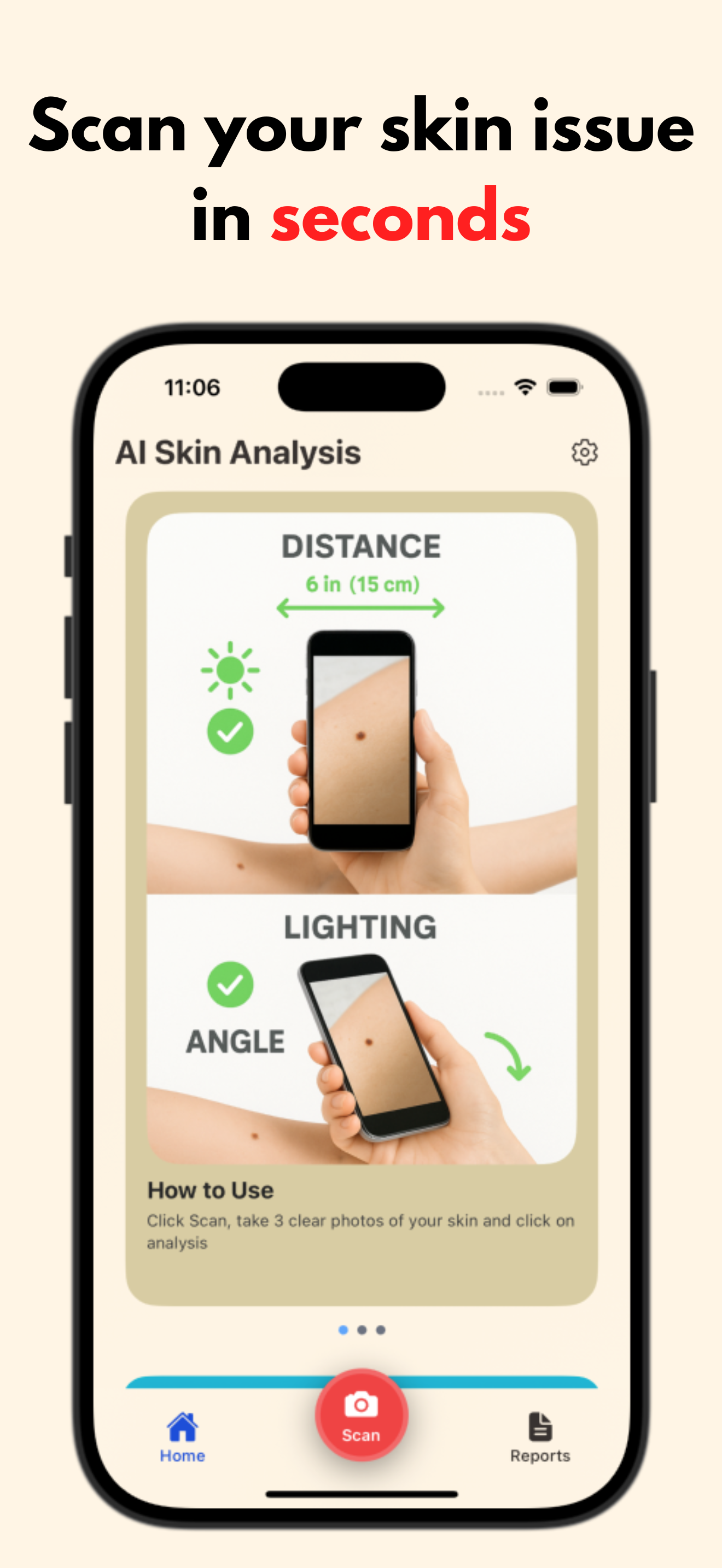
If you notice unexplained skin changes or a rash that could relate to anemia, Rash Detector offers a convenient way to upload photos for AI-powered analysis. This tool evaluates rash features, suggests possible causes, and provides guidance on urgency, helping you decide when to seek in-person medical care.
Conclusion
Anemia can be associated with a spectrum of skin changes, ranging from true inflammatory rashes to petechiae and purpura caused by low platelet counts and bleeding tendencies, as well as dry, itchy skin due to nutritional deficiencies. Recognizing these diverse manifestations helps patients and clinicians differentiate anemia-related skin issues from other dermatologic conditions.
Iron deficiency anemia primarily causes dry, itchy skin without classic rash lesions, whereas aplastic anemia and other marrow failure syndromes often present with petechiae and purpuric spots. Vitamin B12 deficiency can result in distinctive hyperpigmentation, and hemolytic anemia commonly causes jaundice but rarely rash.
Iron supplements rarely cause rashes, but monitoring for allergic or intolerance reactions is important to avoid treatment delays. Supportive skin care alongside anemia management often improves skin symptoms over time.
If you experience unexplained skin changes alongside anemia symptoms, leveraging tools like Rash Detector can offer early insights and help guide timely medical evaluation. Prompt diagnosis and targeted treatment of anemia and its underlying causes are essential to improve both systemic health and skin condition.
Note: This article provides general educational information only and is not a substitute for professional medical advice. If your skin rash is severe, spreading, painful, or persistent, or if you have other concerning symptoms, please consult your healthcare provider or dermatologist promptly for accurate diagnosis and appropriate treatment.
FAQ
Q: Can anemia cause a rash?
A: Certain types of anemia, especially those causing low platelet counts like aplastic anemia, can be associated with skin findings such as petechiae or purpura. Iron deficiency anemia may cause dry, itchy skin that mimics a rash but usually lacks classic rash features.
Q: What does an anemia rash look like?
A: Anemia-related skin changes often appear as small red or purple spots called petechiae, larger bruises called purpura, or dry, flaky, itchy skin. It is usually not a raised or inflamed rash like eczema, except in cases involving autoimmune or infectious causes.
Q: Can low iron cause itchy skin or a rash?
A: Low iron can cause dry, itchy skin due to impaired skin barrier function and reduced oxygen delivery. However, it typically does not cause a true rash with visible inflammation, though itching can sometimes be mistaken for a rash.
Q: Is petechiae from anemia dangerous?
A: Petechiae indicate low platelets or bleeding abnormalities and can be serious. They require medical evaluation to determine the cause and to prevent complications such as bleeding in vital organs.
Q: What kind of anemia causes red spots on the skin?
A: Aplastic anemia and other bone marrow failure syndromes often cause red or purple spots called petechiae or purpura due to low platelet counts. These are signs of bleeding under the skin.
Q: Can iron supplements cause a rash?
A: Iron supplements rarely cause rashes, but allergic or intolerance reactions are possible. If a rash develops after starting supplements, it is important to consult your doctor to determine the cause and adjust treatment if necessary.