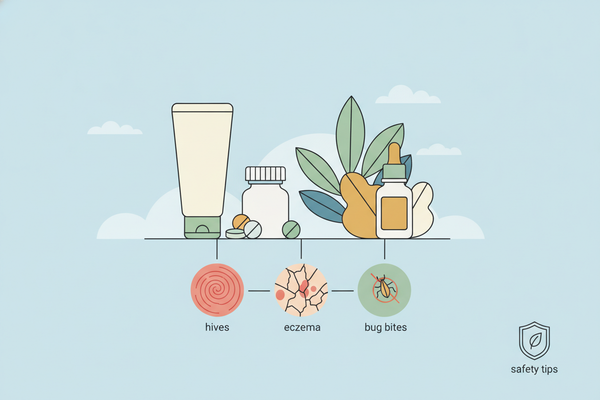
Allergy Cream for Rash: Best Options, Uses & Safety Tips
Discover the best allergy cream for rash relief, including hydrocortisone, antihistamines, and soothing ingredients. Learn how to choose and use them safely.


Estimated reading time: 17 min
Key Takeaways
- Hydrocortisone 1% and antihistamine creams can provide relief for allergy rashes by reducing inflammation, redness, and itch.
- Choose cream types based on rash location, skin sensitivity, and rash type to help maximize efficacy and minimize irritation.
- Fragrance-free, steroid-free options are often preferred for sensitive skin and face application to avoid further irritation or sensitization.
- Safe use involves patch testing, limited application duration (usually under 7 days), and avoiding broken or infected skin.
- Consult a doctor or dermatologist for severe, spreading, painful, or persistent rashes rather than relying solely on OTC creams for proper diagnosis and treatment.
Table of Contents
- Section 1: Understanding Allergy Creams and Their Ingredients
- Section 2: Which Allergy Cream Works Best for Different Rash Types
- Section 3: Choosing the Right Cream Formulation for Your Rash
- Section 4: Sensitive Skin and Face-Safe Allergy Cream Options
- Section 5: How to Use Allergy Cream for Rash Safely and Effectively
- Section 6: Common Warnings, Side Effects, and When to Avoid Allergy Creams
- Section 7: Top Allergy Cream Products and Brand Comparisons
Conclusion
FAQ
Section 1: Understanding Allergy Creams and Their Ingredients
What Is an Allergy Cream for Rash?
An allergy cream for rash is an over-the-counter topical product intended to relieve symptoms of allergic skin reactions such as redness, itching, swelling, and irritation. These creams contain active ingredients that may reduce inflammation and calm the immune response triggered by allergens. The goal is to soothe skin discomfort, help prevent worsening symptoms, and support skin healing.
Key Active Ingredients
- Hydrocortisone 1%: A mild corticosteroid commonly used to reduce inflammation and itching. It works by suppressing the production of inflammatory chemicals like prostaglandins and cytokines, providing relief for many allergic and inflammatory skin conditions. Hydrocortisone 1% is available OTC and is generally considered safe for short-term use on most skin areas.
- Antihistamines (e.g., diphenhydramine topical): These block histamine, a chemical released during allergic reactions that causes itching and redness. Topical antihistamines may provide localized itch relief, especially useful in insect bites or mild allergic rashes, but prolonged use can sometimes cause skin sensitization.
- Calamine: A traditional skin protectant containing zinc oxide and ferric oxide. Calamine lotion soothes itching, has mild astringent properties that can dry oozing rashes, and creates a protective barrier helping skin heal. It’s often used for poison ivy and other mild irritant or allergic rashes.
- Colloidal oatmeal: Finely ground oatmeal suspended in creams or baths provides moisturizing and anti-itch properties by forming a protective film over the skin, reducing dryness and inflammation. It is especially helpful for eczema and dry, itchy rashes.
- Zinc oxide: A mineral-based skin protectant that soothes irritation, reduces redness, and helps prevent further damage by forming a physical barrier on the skin. Often found in diaper rash creams and calamine lotions.
- Menthol: Provides a cooling sensation by activating cold receptors in the skin, which may temporarily relieve itching and discomfort. Menthol-containing creams can be soothing for insect bites and itchy rashes but should be avoided on broken or sensitive skin due to potential irritation.
How Allergy Creams Work
Allergy creams may act by modulating the skin’s immune response and providing symptomatic relief. Hydrocortisone suppresses inflammatory pathways, reducing redness, swelling, and itching. Antihistamines block histamine receptors to disrupt the itch signal. Soothing ingredients such as colloidal oatmeal and calamine protect the skin barrier, reduce dryness, and help restore skin health. The choice of ingredient depends on the rash’s cause, severity, and symptoms.
For example, a blistering poison ivy rash may benefit from hydrocortisone to reduce inflammation combined with calamine lotion to dry blisters and soothe itch. In contrast, a mild insect bite might respond well to a menthol-containing antihistamine cream for fast relief.
It’s important to note that allergy creams treat symptoms but do not address underlying causes like infections, so proper rash identification is essential for effective treatment.
Section 2: Which Allergy Cream Works Best for Different Rash Types
Contact Dermatitis
Contact dermatitis results from direct skin exposure to allergens or irritants such as poison ivy, oak, sumac, soaps, or chemicals. Symptoms include redness, swelling, itching, and sometimes blistering or oozing.
For allergic contact dermatitis, hydrocortisone 1% cream is often used as a first-line OTC treatment. It reduces the immune system’s inflammatory response, alleviating redness and swelling. Application should be limited to thin layers applied 3-4 times daily for up to 7 days.
Calamine lotion can complement hydrocortisone by drying out blisters and reducing itchiness without the side effects of steroids. It can be applied multiple times daily as needed. For example, a poison ivy rash may improve within several days of using this combination.
Severe or widespread contact dermatitis requires medical evaluation as stronger prescription steroids or other treatments may be necessary.
Eczema and Atopic Dermatitis
Eczema is a chronic inflammatory condition characterized by dry, itchy, and scaly patches. Flare-ups may cause redness, cracking, and discomfort.
Hydrocortisone 1% cream can help reduce inflammation during flare-ups, but it should be used sparingly and for short durations to avoid skin thinning. Regular use of moisturizing creams containing colloidal oatmeal helps restore the skin barrier, retain moisture, and relieve itch.
It is advisable to avoid creams containing fragrances, dyes, or harsh preservatives as these can exacerbate eczema symptoms. Non-steroidal creams with soothing ingredients may provide ongoing maintenance between flare-ups.
For example, Aveeno Eczema Therapy Moisturizing Cream with colloidal oatmeal is commonly recommended for daily use in eczema-prone skin to prevent dryness and reduce itching.
Insect Bites and General Skin Irritations
Insect bites cause localized allergic reactions marked by redness, swelling, and itching. Antihistamine creams such as diphenhydramine may provide rapid itch relief by blocking histamine receptors. Menthol-containing creams add a cooling effect to further reduce discomfort.
Zinc oxide-based creams protect irritated skin and form a barrier to help prevent secondary infection, especially important if scratching occurs. Application every 4-6 hours can help control symptoms.
Avoid using strong steroids on insect bites unless directed by a healthcare provider, as they may increase risk of infection.
Allergic Reactions
Allergic rashes due to medications, cosmetics, or foods often appear as red, itchy, and sometimes blistered patches. Hydrocortisone cream can reduce inflammation and itching, while topical antihistamines may help interrupt the itch cycle.
It is important to monitor these rashes closely. If the rash is spreading rapidly, involves swelling of the face or throat, or is accompanied by systemic symptoms such as difficulty breathing or fever, seek emergency medical care immediately.
Distinguishing Rash Types Before Treatment
- Allergic rashes tend to be red, itchy, sometimes blistered, and often appear shortly after exposure to allergens.
- Fungal rashes often have sharply defined edges, scaling, and sometimes central clearing; these require antifungal medication rather than allergy creams.
- Irritant rashes result from direct damage to skin (e.g., harsh chemicals, friction) and may be less itchy but show inflammation and dryness.
Proper identification is important to choosing the right treatment. Misuse of steroids on fungal infections can worsen symptoms.
For complex or unclear rashes, the Rash Detector app allows you to upload photos for AI analysis and personalized guidance, helping you make informed decisions about treatment or when to seek medical care.
Section 3: Choosing the Right Cream Formulation for Your Rash
Creams vs. Lotions vs. Ointments vs. Gels vs. Sticks
- Creams: Semi-solid emulsions of oil and water, providing balanced moisture and absorption. Creams are suitable for most rashes on normal or slightly dry skin areas. They are less greasy than ointments and suitable for use on exposed skin.
- Lotions: Contain more water than creams, making them lighter and more fluid. They spread easily and are best for large, hairy, or weeping areas but may be less moisturizing. Lotions absorb quickly and are less likely to clog pores.
- Ointments: Oil-based, greasy, and occlusive products that form a protective barrier, locking in moisture. Ointments are best for very dry, thickened, or scaly rashes, such as chronic eczema plaques. However, they can clog pores and may feel heavy or sticky.
- Gels: Water-based, transparent, and fast-absorbing. They provide a cooling effect and work well on oily or inflamed skin. However, they can sting if applied on broken or sensitive skin.
- Sticks: Solid or semi-solid formulations designed for convenient, targeted application on small areas such as insect bites, lips, or around the eyes. They reduce the risk of over-application.
Matching Formulation to Rash Location and Skin Type
When selecting a cream formulation, consider the rash’s location, skin type, and the skin’s condition:
- Face and sensitive areas: Use fragrance-free creams or lotions with mild ingredients that absorb quickly to avoid pore clogging and irritation. Lightweight lotions or gels may be preferred in humid conditions.
- Dry or thickened skin: Ointments or rich creams provide better hydration and barrier protection, helping to soften thickened skin and reduce scaling.
- Hairy or large areas: Lotions are easier to spread without leaving a greasy residue and are more comfortable for covering extensive regions.
- Itchy, inflamed patches: Gels or creams with cooling agents like menthol can soothe quickly and provide symptomatic relief.
Additional Tips
Always read product labels carefully. Some hydrocortisone products combine steroids with antibiotics or antifungals; these should only be used under medical advice. Choose formulations labeled for sensitive skin if you have a history of irritation. Avoid products with unnecessary fragrances, dyes, or preservatives.
For more detailed guidance on anti-itch creams and choosing the right product for your skin type and rash, see our post on Best Anti Itch Cream: Top Picks and How to Choose.
Section 4: Sensitive Skin and Face-Safe Allergy Cream Options
Why Sensitive Skin Needs Special Care
The skin on the face and other sensitive areas is thinner, more vascular, and prone to irritation from environmental factors and topical products. Ingredients such as fragrances, preservatives, and strong corticosteroids can disrupt the delicate skin barrier, causing dryness, redness, or allergic contact dermatitis. Therefore, selecting allergy creams formulated specifically for sensitive skin is important to avoid exacerbating symptoms.
Fragrance-Free and Steroid-Free Alternatives
- Fragrance-free creams reduce the risk of added irritation and allergic sensitization. These formulations avoid common irritants found in scented products.
- Steroid-free options like colloidal oatmeal creams or calamine lotions provide gentle anti-itch and anti-inflammatory benefits without the risks associated with steroids, such as skin thinning or rebound effects.
- Non-comedogenic formulas help prevent pore clogging and acne formation, important when applying products on the face or oily skin.
Examples of Face-Safe Allergy Creams
- Aveeno Eczema Therapy Moisturizing Cream with colloidal oatmeal is formulated to soothe and moisturize sensitive, eczema-prone skin without steroids or fragrances.
- CeraVe Hydrocortisone 1% Cream combines hydrocortisone with ceramides and hyaluronic acid, supporting skin barrier repair. Use sparingly and only for short-term treatment on the face to minimize side effects.
- Calamine lotion is a gentle, non-steroidal option for mild itch relief and soothing on the face and other sensitive areas.
- Non-steroidal creams containing natural soothing agents (such as aloe vera or chamomile) can be helpful, though always patch test to rule out allergies.
Before applying any new product widely on the face, perform a patch test by applying a small amount on the inner forearm or behind the ear. Wait 24-48 hours to check for any irritation or allergic reaction. If redness, itching, or swelling occurs, discontinue use immediately.
Section 5: How to Use Allergy Cream for Rash Safely and Effectively
Application Frequency and Duration
- Hydrocortisone cream: Apply a thin layer up to 3-4 times daily as directed on the package. Avoid excessive amounts to reduce risk of side effects.
- Duration: Limit use to no more than 7 consecutive days unless advised by a healthcare provider, as prolonged use can lead to skin thinning, stretch marks, or steroid-induced dermatitis.
- Antihistamine creams: Follow label instructions, generally applying 2-3 times daily, but avoid continuous long-term use to prevent sensitization.
Patch Testing
Patch testing is important before widespread use, especially for sensitive skin. Apply a small amount of the cream on an unaffected patch of skin, such as the inner arm, and observe for 24 hours. Signs of adverse reaction include redness, swelling, itching, or blistering. If these occur, do not use the cream on the rash.
When Not to Use Allergy Creams
- Avoid applying on broken, cracked, or infected skin, as this can worsen infections or delay healing.
- Do not use hydrocortisone cream on fungal, bacterial, or viral infections unless prescribed by a doctor, as steroids can exacerbate these conditions.
- Children, pregnant or breastfeeding women should consult a healthcare professional before using topical steroids or antihistamines to ensure safety.
- Avoid using multiple topical products simultaneously unless directed by a healthcare provider to prevent interactions or irritation.
Complementary Soothing Steps
- Cool compresses: Applying a clean, cool, damp cloth for 10-15 minutes can reduce itch and inflammation without medication.
- Oatmeal baths: Taking baths with colloidal oatmeal powder soothes irritated skin and provides gentle moisture. Use lukewarm water and avoid harsh soaps.
- Regular moisturization: Applying fragrance-free, hypoallergenic moisturizers supports skin barrier recovery, reduces dryness, and may help prevent future flare-ups.
- Avoid scratching: Keep nails trimmed and consider wearing gloves at night to prevent skin damage and secondary infection.
Section 6: Common Warnings, Side Effects, and When to Avoid Allergy Creams
Risks of Steroid Overuse
While hydrocortisone 1% cream is generally safe for short-term use, prolonged or excessive application can cause adverse effects. These may include skin thinning (atrophy), stretch marks (striae), dilated surface blood vessels (telangiectasia), easy bruising, and increased susceptibility to skin infections.
In delicate areas such as the face, groin, or armpits, these side effects can occur more rapidly. Overuse can also lead to steroid-induced rosacea or perioral dermatitis. To minimize risks, always use the lowest effective dose for the shortest possible duration, and avoid use on broken skin.
Diphenhydramine Topical Reactions
Topical antihistamines like diphenhydramine may cause skin sensitization or allergic contact dermatitis in some users, leading to worsening rash or new irritation. Signs include increased redness, swelling, or blistering after initial improvement.
If these symptoms develop, discontinue use immediately and consult a healthcare professional.
When to Avoid Certain Ingredients
- Steroids: Should not be used on fungal or bacterial infections without medical supervision, as they can worsen these conditions.
- Menthol and camphor: Should be avoided in children under 2 years due to risks of respiratory distress and skin irritation.
- Known allergies: Always check ingredient lists to avoid products containing substances you have previously reacted to.
When to See a Doctor
Seek medical advice promptly if your rash:
- Is severe, spreading rapidly, or involves extensive body areas.
- Is painful, blistering, or oozing pus, indicating possible infection.
- Is accompanied by systemic symptoms such as fever, chills, or difficulty breathing.
- Does not improve within 7 days of using OTC allergy creams.
- Occurs on sensitive areas such as the face, genitals, or around the eyes.
- Is recurrent or associated with other health conditions.
A healthcare professional can provide accurate diagnosis, prescribe stronger treatments if needed, and rule out other causes such as infections or autoimmune conditions.
Section 7: Top Allergy Cream Products and Brand Comparisons
Cortizone-10 (Hydrocortisone 1%)
Cortizone-10 is a widely available OTC hydrocortisone brand, commonly used for mild to moderate allergic rashes. It comes in multiple formulations including creams, lotions, and ointments, offering options based on skin type and rash characteristics. Many users report relief of itching and redness after application.
The cream form is suitable for most skin types, while the ointment provides extra moisture for dry, scaly areas. Some Cortizone-10 products are fragrance-free, making them suitable for sensitive skin.
Benadryl Cream (Diphenhydramine)
Benadryl cream contains diphenhydramine, a topical antihistamine that may provide quick itch relief from insect bites, mild allergic rashes, and irritation by blocking histamine receptors locally.
However, users should exercise caution as repeated use can cause skin sensitivity or new allergic reactions. It is best used short-term and avoided on broken or inflamed skin.
Aveeno Eczema Therapy
Aveeno Eczema Therapy Moisturizing Cream contains colloidal oatmeal and is designed for sensitive and eczema-prone skin. It provides moisture and itch relief without steroids or fragrances, making it suitable for long-term use as a maintenance moisturizer.
Colloidal oatmeal is recognized for its soothing properties and may help reduce skin inflammation and itching, supporting skin barrier function.
CeraVe Hydrocortisone Cream
CeraVe Hydrocortisone Cream combines hydrocortisone 1% with ceramides and hyaluronic acid, ingredients that help repair and restore the skin's natural barrier. This combination may be suitable for dry, irritated skin prone to barrier disruption.
Its non-comedogenic, fragrance-free formulation is often recommended by dermatologists for sensitive skin areas. Use as directed for short-term relief of inflammation and itch.
Aquaphor Healing Ointment
Aquaphor Healing Ointment is a petrolatum-based skin protectant that moisturizes and protects irritated skin but does not contain active allergy-fighting ingredients. It is often used as a complementary product to soothe dry, cracked skin and promote healing after rash inflammation subsides.
Its occlusive nature helps retain moisture and shield the skin from external irritants, making it useful in sensitive or compromised skin conditions.
Retail Assortments at Walgreens and Target
Major retailers like Walgreens and Target stock a broad range of allergy creams, spanning budget-friendly generics to premium brands. They carry formulations tailored for sensitive skin, fragrance-free options, and products designed for children and adults.
When shopping, look for key features such as ingredient lists, formulation type, and product reviews. Pharmacists can also provide recommendations based on your rash symptoms.
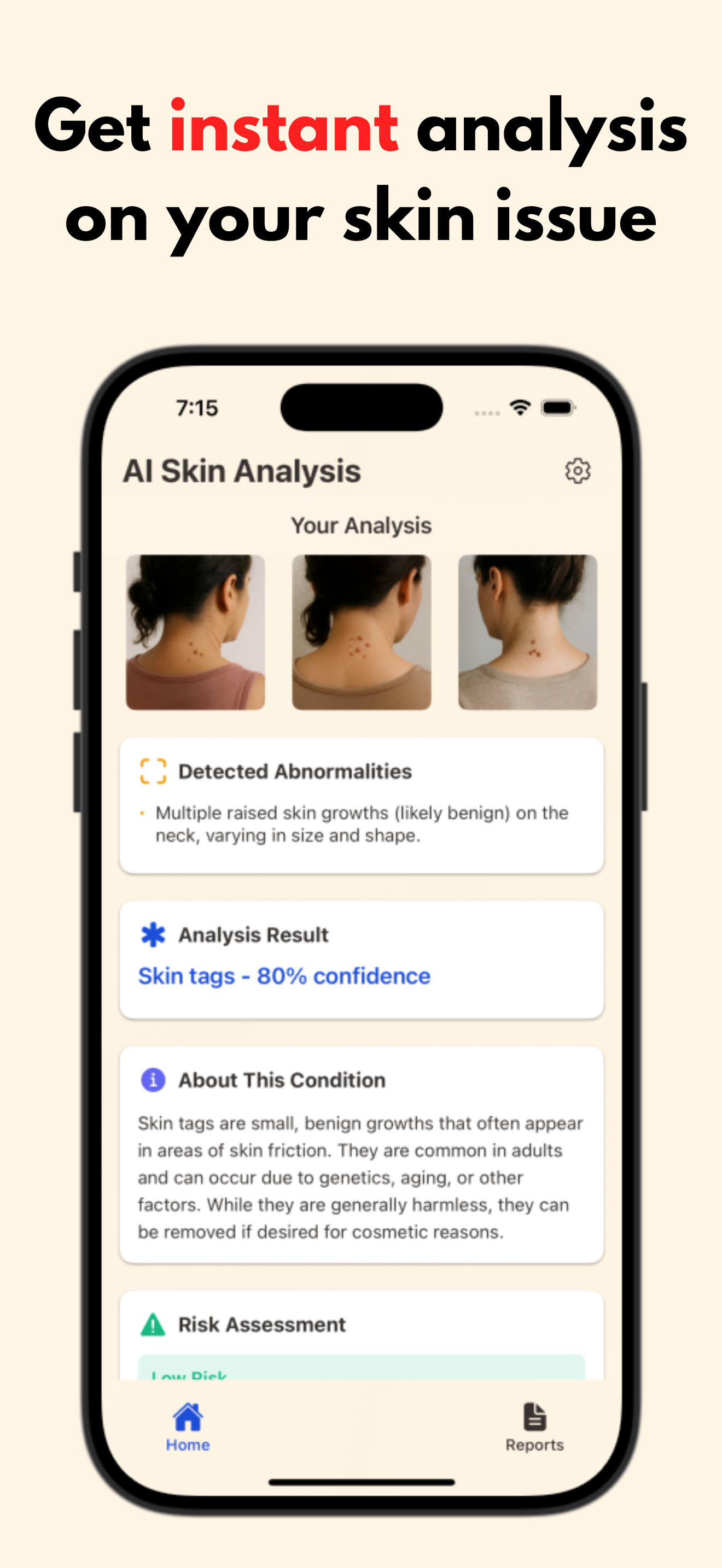
For personalized guidance on your rash and the best treatment options, consider using the Rash Detector app. The app uses AI analysis of uploaded images to provide tailored advice within seconds, helping you identify rash types and select appropriate treatments while advising when to seek medical care.
Conclusion
Choosing the right allergy cream for rash involves understanding the rash type, skin sensitivity, and active ingredients that may best target symptoms. Hydrocortisone 1% and topical antihistamines are commonly used for allergy-induced rashes, but soothing agents like colloidal oatmeal and calamine also play important roles in symptom relief and skin barrier support.
Always select a formulation suited to your skin type and rash location, whether it be cream, lotion, ointment, or gel. Use allergy creams safely by following label instructions, performing patch tests, and limiting duration to reduce side effects. Complement topical treatments with non-pharmacological soothing methods such as cool compresses and moisturizing baths.
If your rash worsens, spreads, becomes painful, or does not improve within a week of treatment, consult a healthcare professional promptly for accurate diagnosis and appropriate management. For a quick, AI-powered rash assessment and personalized guidance, try the Rash Detector app today and take control of your skin health effectively.
FAQ
Q: What is the best cream for an allergic reaction rash?
A: Hydrocortisone 1% cream is often the best over-the-counter option for allergic reaction rashes because it can reduce inflammation and itching effectively. Topical antihistamines and soothing agents like calamine or colloidal oatmeal may also help alleviate symptoms.
Q: Is hydrocortisone cream good for rashes and itching?
A: Hydrocortisone cream can be effective for many types of rashes and itching caused by allergies, eczema, or contact dermatitis. It reduces inflammatory mediators and itch signals. However, it should be used as directed and not applied for prolonged periods to avoid side effects such as skin thinning.
Q: What can I put on a rash from an allergic reaction?
A: You can apply hydrocortisone cream, topical antihistamine creams, or soothing lotions such as calamine or colloidal oatmeal. Complement topical treatments with cool compresses and fragrance-free moisturizers for best results.
Q: Can I use allergy cream on my face or sensitive skin?
A: Use fragrance-free, mild creams with low-potency steroids or steroid-free options on the face and sensitive skin. Always perform a patch test first and avoid prolonged use to prevent irritation or skin barrier damage.
Q: How long does it take for rash cream to work?
A: Many allergy creams start relieving itching and redness within a few hours, but full improvement can take several days. If symptoms persist beyond a week, consult a healthcare provider for further evaluation.
Q: When should I see a doctor for a rash instead of using OTC cream?
A: See a doctor if the rash is severe, spreading rapidly, painful, blistering, accompanied by fever, or does not improve after a week of treatment. Also seek medical advice for rashes on sensitive areas like the face, genitals, or if you have underlying health conditions.