AI for Undiagnosed Rashes: Fast, Accurate Skin Analysis Apps
Discover how AI for undiagnosed rashes helps identify skin issues from photos with fast, privacy-safe analysis. Learn when to see a doctor.
Estimated reading time: 18 min
Key Takeaways
- AI for undiagnosed rashes uses image recognition and machine learning to analyze photos and suggest possible skin conditions based on visual patterns.
- Common rashes AI can help identify include eczema, hives, fungal infections, viral rashes, and bacterial skin conditions, each with characteristic features.
- AI tools support teledermatology and self-triage by providing rapid preliminary assessments, but they are not substitutes for professional medical diagnosis or treatment.
- Accuracy depends on multiple factors including image quality, lighting, rash diversity, and skin tone representation in training data; AI is best used for guidance rather than definitive answers.
- Privacy and safety are critical; users should always consult a dermatologist or healthcare provider for severe, spreading, painful, or persistent rashes.
Table of Contents
- Section 1: How AI for Undiagnosed Rashes Works
- Section 2: Common Rashes AI Can Detect
- Section 3: Diagnostic Accuracy and Limitations
- Section 4: Use Cases in Teledermatology and Self-Triage
- Section 5: AI in Differentiating Similar Skin Conditions
- Section 6: Privacy, Safety, and When to See a Doctor
Conclusion
FAQ
Section 1: How AI for Undiagnosed Rashes Works
AI Image Recognition Technology
AI for undiagnosed rashes primarily relies on image recognition models powered by deep learning algorithms, especially convolutional neural networks (CNNs), trained on large datasets of clinical images. These images cover a variety of skin conditions, rash appearances, skin tones, ages, and anatomical locations.
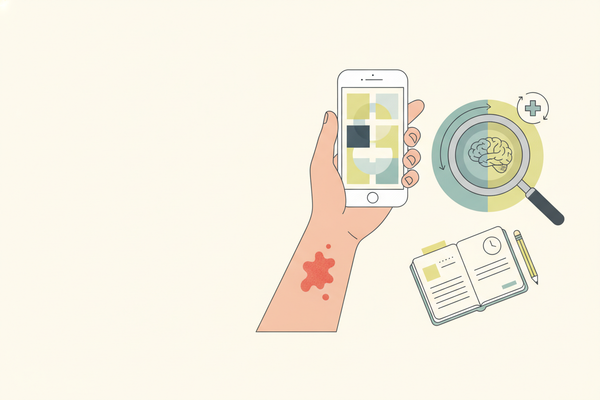
When a user uploads a photo, the AI system processes the image by extracting visual features including color gradients, texture patterns, lesion shapes, borders, and scaling. The model compares these features against its internal database of labeled examples to estimate the probability that the rash matches known conditions.
This method allows the AI to generate a ranked list of possible diagnoses with associated confidence scores, helping users understand potential causes based on visual data alone.
Uploading Multiple Photos for Better Analysis
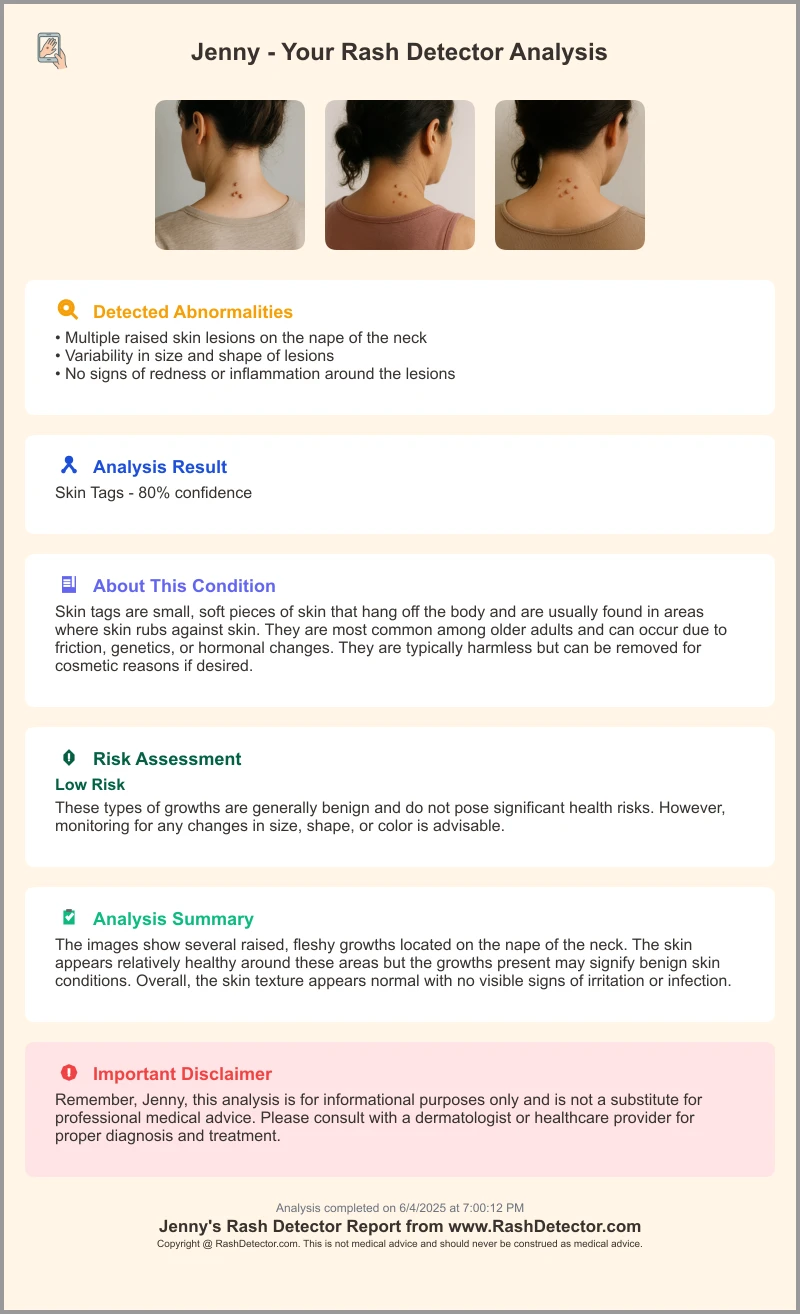
Apps like Rash Detector encourage users to upload multiple images taken from different angles, distances, and lighting conditions. For example, one close-up photo captures fine details such as scale or blistering; a mid-range photo shows the lesion in context of surrounding skin; and a wider shot reveals the distribution pattern on the body.
This multi-image approach helps the AI model overcome challenges like glare, shadows, or partial occlusion, potentially improving diagnostic confidence by providing a more comprehensive view of the rash’s morphology.
Instant Results and Guidance
Once images are submitted, the AI processes them rapidly—typically within seconds to a minute—thanks to optimized cloud computing infrastructure. The user receives feedback with potential diagnoses, confidence scores, and suggested next steps such as home care tips or indications to seek medical evaluation.
- AI models are regularly updated with new clinical data and user feedback to enhance detection capabilities.
- Mobile apps provide accessibility, allowing users to receive expert-level insights from anywhere, which can be valuable in remote or underserved areas.
- Prompt AI feedback may empower users to make informed health decisions quickly, potentially reducing anxiety and enabling earlier intervention.
Section 2: Common Rashes AI Can Detect
Eczema and Atopic Dermatitis
Eczema, particularly atopic dermatitis, is a chronic inflammatory skin condition characterized by red, itchy, dry, and scaly patches. AI detection focuses on recognizing hallmark signs such as redness with poorly defined borders, lichenification (thickened skin), and common locations like the flexural areas (inside of elbows, behind knees), face, and neck.
For example, an AI model trained on eczema images can identify typical erythema (redness) and xerosis (dryness) patterns, differentiating them from other causes such as contact dermatitis or psoriasis. This distinction is important because eczema treatments primarily involve moisturizers and anti-inflammatory medications, whereas other conditions might require different approaches.
Hives (Urticaria)
Hives appear as transient, raised, itchy wheals that can vary in shape and size, often fading within 24 hours and reappearing elsewhere. AI algorithms detect the characteristic swelling, pale centers, and rapid onset nature of these lesions.
By analyzing shape irregularities and patchy distribution, the AI can help users suspect allergic reactions, physical triggers (like pressure or temperature), or chronic urticaria. Identifying hives promptly is important to avoid exposure to allergens and manage symptoms with antihistamines or seek urgent care if accompanied by breathing difficulties.
Fungal Infections (Ringworm, Athlete’s Foot)
Fungal skin infections have distinctive features such as annular (ring-shaped) lesions with raised, scaly borders and central clearing. AI models trained on fungal infection images can detect these patterns, distinguishing them from bacterial or viral rashes that lack the ring-like morphology.
For example, ringworm (tinea corporis) often presents as circular, red, scaly patches with a clearer center, while athlete’s foot (tinea pedis) manifests as scaling, cracking, or peeling between toes. Correct identification by AI may support timely antifungal treatment, helping to prevent spread and complications.
Viral Rashes
Viral rashes such as those caused by chickenpox, measles, or roseola often have unique visual signatures including small red macules or papules, vesicles (small blisters), or petechiae (tiny red spots). AI analyzes distribution patterns—such as centripetal spread in chickenpox or the characteristic morbilliform rash in measles—to flag potential viral etiologies.
Early detection may aid in isolation and appropriate medical management, as some viral rashes are contagious and may require supportive care.
Bacterial Rashes
Bacterial skin infections like impetigo and cellulitis display features such as honey-colored crusts, pustules, spreading redness, and swelling. AI detects these signs—especially the presence of crusting or purulence—to help users suspect bacterial involvement that often necessitates antibiotic treatment.
For instance, impetigo commonly affects children and presents with crusted lesions around the nose and mouth, while cellulitis involves deeper skin layers with warmth, tenderness, and spreading erythema.
- AI can detect many rash types with varying sensitivity and specificity depending on training.
- Clear, well-lit, and focused images showing rash details may improve detection accuracy.
- Early AI identification can help users decide between self-care measures and seeking professional treatment.
Section 3: Diagnostic Accuracy and Limitations
Factors Influencing AI Accuracy
The accuracy of AI-based rash detection is influenced by several critical factors:
- Image Quality: High-resolution, well-lit, in-focus photos enable better feature extraction. Poor lighting, shadows, or motion blur can obscure subtle signs such as scale or color variation.
- Skin Tone Diversity: AI models trained on diverse skin tones—from very light to very dark—perform better across populations. Underrepresentation of certain skin types can reduce accuracy in those groups.
- Rash Stage and Evolution: Rashes evolve over time; early or resolving lesions may look different from fully developed ones, complicating classification.
- Anatomical Location: Some rashes appear differently depending on location (e.g., scalp vs. torso), and AI accuracy improves when trained with varied site images.
- Concurrent Skin Conditions: Co-existing skin issues (e.g., dryness, eczema with infection) can alter appearance, posing challenges for AI differentiation.
Limitations of AI Diagnosis
Despite advances, AI diagnosis has inherent limitations:
- No Symptom Evaluation: AI cannot assess subjective symptoms such as pain intensity, itching severity, systemic symptoms (fever, malaise), or progression speed, which are vital for clinical assessment.
- Visual Similarity: Many rashes share overlapping features. For example, early psoriasis and eczema can look similar. AI may suggest multiple possible diagnoses but cannot confirm one definitively.
- Lack of Physical Exam and Tests: AI cannot perform palpation, biopsy, or laboratory tests necessary to confirm diagnoses like autoimmune conditions or infections.
- Potential for False Positives/Negatives: Incorrect classifications can lead to inappropriate reassurance or unnecessary anxiety.
Using AI as a Preliminary Tool
Given these constraints, AI should be viewed as an adjunct tool that narrows down possibilities and guides users toward appropriate next steps. For example, an AI app might flag a rash as likely eczema and recommend moisturizing and avoiding irritants, or suggest immediate dermatologist consultation if signs of infection or systemic illness appear.
- AI is not a substitute for professional medical evaluation but complements it by providing rapid, accessible insights.
- Results should always be verified with a healthcare provider, especially if symptoms worsen or do not improve.
- Users should use AI outputs alongside their knowledge of symptom duration, associated signs, and personal medical history.
Section 4: Use Cases in Teledermatology and Self-Triage
Facilitating Remote Dermatology Consultations
AI-powered rash detection tools enhance teledermatology by pre-processing patient-submitted images and providing preliminary diagnostic suggestions. This helps dermatologists prioritize urgent cases, triage effectively, and focus consultation time on complex issues rather than initial image analysis.
For example, a teledermatology platform integrated with AI can flag probable serious infections or unusual presentations requiring immediate attention, while routine eczema or mild dermatitis cases can be scheduled for standard follow-up.
Empowering Patients with Self-Triage Tools
Patients benefit from AI-driven self-triage apps that can help assess whether a rash requires home care or professional evaluation. For instance, a user noticing a mild, localized rash with typical eczema features may receive advice on emollient use and monitoring, whereas signs of spreading redness with fever prompts urgent care suggestions.
This may empower individuals to make informed decisions, reducing unnecessary emergency visits and improving timely treatment for serious conditions.
Reducing Healthcare Burdens
By filtering out benign or self-limiting rashes through AI assessment, healthcare systems can allocate resources more efficiently. AI tools may help reduce clinic overcrowding and wait times, particularly in areas with dermatologist shortages.
Additionally, chronic rash patients can be monitored remotely, with AI tracking changes over time, alerting clinicians to flares or complications without requiring frequent in-person visits.
- AI supports faster access to dermatology insights, especially where specialists are scarce.
- Self-triage may reduce patient anxiety by providing clarity on rash severity and urgency.
- Remote monitoring capabilities can enhance chronic disease management and adherence.
Section 5: AI in Differentiating Similar Skin Conditions
Distinguishing Eczema from Psoriasis
Eczema and psoriasis are common inflammatory skin diseases with overlapping features such as red, scaly plaques. AI differentiates them by analyzing lesion border sharpness, scale thickness, color hue, and typical body distribution.
Psoriasis tends to have well-demarcated, thicker, silvery scales often on extensor surfaces like elbows and knees, while eczema is usually less sharply defined with thinner scaling and more prevalent in flexural areas. AI models trained on images can identify these nuanced differences, aiding in appropriate therapeutic recommendations since treatments differ substantially.
Identifying Fungal vs. Bacterial Rashes
Fungal infections typically present with ring-shaped, scaly, and sometimes itchy lesions with central clearing, whereas bacterial skin infections may have crusts, pustules, or purulent discharge indicating infection.
AI assesses lesion morphology, border characteristics, and textural features to suggest fungal vs. bacterial etiology. For example, impetigo’s honey-colored crusts are visually distinct from the annular scaling of tinea. Recognizing these differences may guide appropriate antifungal or antibiotic treatment, reducing misuse of medications.
Recognizing Viral Rashes vs. Allergic Reactions
Viral rashes and allergic hives can appear similar, with red, raised lesions. However, viral exanthems often have a more fixed distribution and associated systemic symptoms, whereas hives are typically transient, migratory, and intensely itchy.
AI evaluates lesion morphology, temporal patterns (e.g., duration of individual lesions), and distribution to help differentiate these conditions. This distinction is important, as viral rashes may require isolation and monitoring, while allergic reactions may necessitate antihistamines or avoidance of triggers.
- AI’s pattern recognition algorithms aid in complex differential diagnoses where visual cues are subtle.
- Image-based clues improve diagnostic precision but must be combined with clinical history for full accuracy.
- Despite technological advances, clinical correlation remains essential for confirmation and treatment planning.
Section 6: Privacy, Safety, and When to See a Doctor
Data Privacy and Security
User privacy is important for AI skin apps. Reputable services like Rash Detector employ encryption protocols (e.g., TLS for data transmission, AES for storage) to protect uploaded images and personal data from unauthorized access.
Images and metadata are typically stored on secure cloud servers, with access controls and security audits. Users should review privacy policies to understand data usage, retention, and sharing practices. Most apps do not share data without explicit user consent and anonymize data used for model training.
Safety and Clinical Caution
AI rash detection tools are designed for educational purposes and are not substitutes for professional medical diagnosis or treatment. They do not replace physical examinations, history taking, or laboratory investigations.
Particularly in cases of severe symptoms—such as rapidly spreading rash, intense pain, fever, swelling, blistering, or difficulty breathing—users should seek urgent medical care rather than relying solely on AI assessments.
Users should also be cautious interpreting AI results, recognizing the potential for false reassurance or unnecessary alarm.
When to Consult a Dermatologist
- Rash is worsening or spreading rapidly despite home care.
- Rash is associated with systemic symptoms like fever, fatigue, joint pain, or swelling.
- Persistent rash lasting more than a week without improvement or recurrence.
- Rash accompanied by pain, blistering, ulceration, or signs of infection.
- Uncertain diagnosis after AI assessment or if the rash causes significant distress.
- Chronic skin conditions needing prescription therapies or specialist management.
Using AI responsibly means combining technological insights with professional medical advice to ensure safe, effective skin health management.
Conclusion
AI for undiagnosed rashes is advancing skin health by providing rapid, accessible, and data-driven analysis based on user-submitted photos. Tools like Rash Detector may empower individuals to better understand their skin conditions and make informed decisions about care.
While AI cannot replace dermatologists, it serves as a valuable adjunct, particularly in teledermatology and self-triage contexts. By identifying common rashes such as eczema, hives, fungal infections, viral exanthems, and bacterial skin conditions, AI helps guide timely interventions and appropriate healthcare utilization.
Ongoing advancements in AI model training, including expanded datasets representing diverse skin tones and conditions, may continue to improve diagnostic accuracy and utility.
However, users should always consult a healthcare professional for persistent, severe, or uncertain rashes to ensure a definitive diagnosis and appropriate treatment.
FAQ
Q: Can AI identify what kind of rash I have from a photo?
A: AI uses image recognition algorithms to analyze photos of your rash and suggest possible causes based on visual patterns. However, AI provides preliminary guidance and should not replace a professional diagnosis or clinical evaluation.
Q: What rashes can AI distinguish from each other?
A: AI can differentiate common rashes such as eczema, hives (urticaria), fungal infections like ringworm, viral rashes (e.g., chickenpox, measles), and bacterial skin conditions by analyzing patterns, colors, lesion shapes, and textures present in images.
Q: How accurate are AI rash identification apps?
A: Accuracy varies depending on factors like image quality, lighting, skin tone diversity in training data, and rash presentation. While AI can offer helpful insights, it is not 100% accurate and should be used as a complementary tool alongside professional consultation.
Q: Is an AI rash checker reliable for eczema, hives, or ringworm?
A: AI can suggest these common conditions when clear, focused images are provided, based on characteristic visual features. Nevertheless, clinical confirmation by a healthcare provider is necessary to ensure correct diagnosis and treatment.
Q: When should I see a dermatologist instead of relying on AI?
A: You should consult a dermatologist if your rash is severe, spreading quickly, painful, accompanied by systemic symptoms like fever, or persists beyond a week without improvement. AI tools are not a substitute for professional medical care.
Q: Are AI skin rash apps safe to use for undiagnosed symptoms?
A: Yes, when using reputable apps that prioritize user privacy and data security. Always remember that AI apps provide educational information and do not replace medical advice or diagnosis by qualified professionals.