Smog-Related Rash Prevention: Essential Strategies to Protect Your Skin
Discover proven strategies for smog-related rash prevention, including skincare routines, protective behaviors, and expert tips for healthy skin.

Estimated reading time: 8 minutes
Key Takeaways
- Smog may weaken your skin barrier by contributing to lipid oxidation and microscopic inflammation.
- Daily skincare routine—including double cleansing, barrier-repair moisturizers, SPF, and antioxidants—remains important for supporting skin health and potentially reducing the risk of rashes.
- Protective habits such as wearing masks, monitoring AQI with updated apps, and using modern indoor air purifiers may help reduce exposure.
- Diet, hydration, and targeted ingredients (niacinamide, ectoin, CoQ10) may support skin resilience; some research suggests postbiotic skincare could be beneficial, but more studies are needed.
- See a doctor or dermatologist for diagnosis and treatment, especially for severe, spreading, painful, or persistent symptoms.
Table of Contents
- What Is a Smog-Related Rash?
- How Smog Damages Your Skin Barrier
- Daily Skincare Routine for Smog-Related Rash Prevention
- Protective Lifestyle Adjustments
- Diet and Hydration
- Dermatologist-Approved Tips
- Home Remedies
- Key Anti-Pollution Ingredients
- When to See a Dermatologist
- Long-Term Strategies
- Smart Tool Recommendation
- Conclusion
What Is a Smog-Related Rash?
A smog-related rash refers to an inflammatory skin reaction that may occur when airborne urban pollutants come into contact with and irritate the skin. Common effects may include:
- Breakdown of the outermost skin layer
- Immune cell activation, leading to redness and discomfort
- Dryness, flakiness, or acne-like bumps
Components such as dust, soot, ozone, nitrous gases, and sulfur dioxide—especially fine PM2.5—may disrupt the skin's microbiome and contribute to oxidative stress. Long-term exposure can result in heightened sensitivity, rash outbreaks, and signs of premature aging in some individuals.
Many dermatologists recognize a link between urban pollution and increased sensitivity, eczema flares, and acneiform eruptions. For more on pollution-induced rashes, explore expert insights.
How Smog Damages Your Skin Barrier
Urban air pollutants may affect your skin’s defenses through several pathways:
- Lipid and protein breakdown: Ozone and other oxidants can break down essential fats and proteins in the stratum corneum, potentially weakening barrier integrity.
- Pore infiltration: Fine particles (including ultrafine PM1.0) may lodge in follicles, disturb the microbiome, and trigger microscopic inflammation.
- Oxidative stress: Environmental toxins can generate free radicals that may damage cellular structures and accelerate visible signs of aging.
Symptoms may include redness, itchiness, swelling, dryness, and acne-like breakouts. Smog-related rashes may flare after prolonged outdoor exposure and can be accompanied by dullness and dehydration.
Daily Skincare Routine for Smog-Related Rash Prevention
A consistent, targeted regimen can help support your skin’s defenses against pollution-related issues:
Evening Double Cleanse
- First cleanse: Oil-based formulas (such as squalane or gentle micellar oils) can help dissolve makeup, sunscreen, and surface contaminants.
- Second cleanse: Non-comedogenic, sulfate-free foaming or gel cleansers remove residual dirt and debris without stripping the skin.
Barrier-Reinforcing Moisturizer
- Apply a hydrating cream rich in ceramides, fatty acids, and cholesterol immediately after patting skin dry.
- Consider products with niacinamide, panthenol, and postbiotic ingredients (like lactobacillus ferment) to help support barrier function and soothe irritation. For top barrier-repair creams, check expert recommendations.
Broad-Spectrum SPF 30+
- Use a lightweight sunscreen each morning. UV rays can amplify pollution’s oxidative effects, making daily SPF an important step. Some sunscreens now include anti-pollution complexes for added protection.
Antioxidant Serum
- Apply Vitamin C, Vitamin E, or a polyphenol-rich formula under moisturizer to help neutralize free radicals. Some serums may include ferulic acid, resveratrol, or bakuchiol for added defense.
Consistency is key. A daily cleanse–protect–hydrate cycle that targets pollution residues and supports barrier lipids may help reduce rash outbreaks.
Protective Lifestyle Adjustments
Complement your skincare with practical habits:
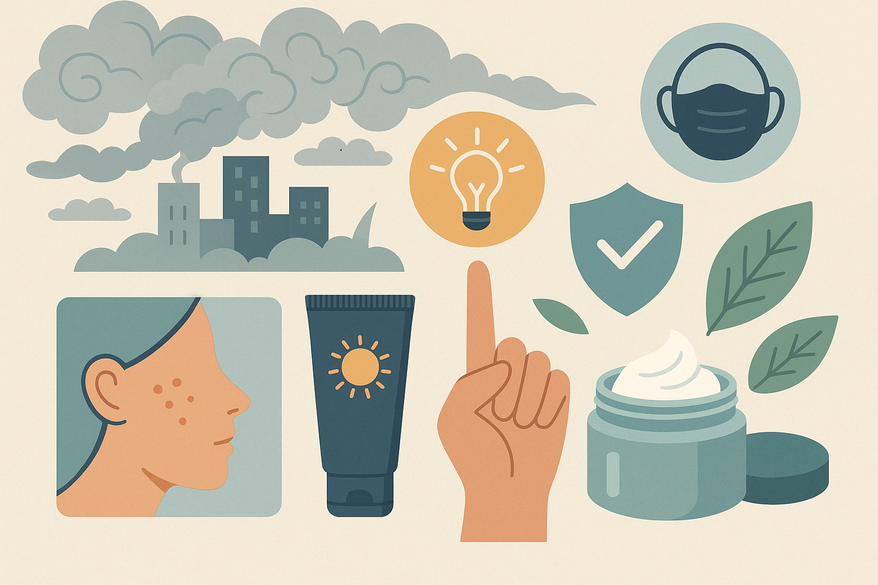
- Wear physical barriers: Use wide-brim hats, UV-blocking sunglasses, long sleeves, and a certified N95/KN95 mask when the AQI is poor. Reusable, skin-friendly mask fabrics are now more widely available.
- Monitor outdoor activities: Use real-time AQI apps (such as AirVisual, Plume Labs, or your city’s official app) and avoid peak smog hours. Opt for exercise in green spaces or indoor gyms with filtered air.
- Enhance indoor air: Run a HEPA-filter air purifier (now more affordable, with smart sensors and automatic AQI adjustment), keep windows closed on high-smog days, and vacuum with a HEPA-equipped cleaner. Some models also neutralize VOCs and allergens.
Diet and Hydration
Your diet may help support skin repair and counteract oxidative stress:
- Antioxidant-rich foods: Berries, leafy greens, nuts, seeds, and colorful vegetables (such as peppers and carrots).
- Hydration: Aim for adequate water intake daily, and include hydrating fruits like cucumber, watermelon, and oranges.
Some dermatologists also recommend omega-3-rich foods (like flaxseed and salmon) to support the skin’s lipid barrier. A balanced diet may help neutralize free radicals and support a resilient skin barrier.
Dermatologist-Approved Tips
- Barrier-repair creams: Use ceramide- and niacinamide-rich products morning and night, and consider postbiotic or prebiotic formulas to support a healthy microbiome.
- Gentle exfoliation: Once a week, apply a low-concentration AHA (such as lactic acid) or BHA (like salicylic acid) to remove pollutant-laden dead skin cells, then follow with deep hydration. Avoid over-exfoliating, especially if your skin is sensitive or already irritated.
Home Remedies
- Oatmeal paste or bath: Colloidal oatmeal may help soothe inflammation and calm skin. Mix with cool water and apply as a mask or add to bathwater.
- Aloe vera gel: Pure, fragrance-free aloe may provide cooling, anti-inflammatory relief. Store in the fridge for extra soothing effect.
- Green tea compress: Cooled green tea, rich in polyphenols, may help neutralize pollutants. Soak a clean cloth and apply to affected areas for 10–15 minutes.
These DIY treatments may offer quick relief and complement your skincare routine. However, they are best for mild, short-term symptoms.
Key Anti-Pollution Ingredients
- Niacinamide: May help strengthen barrier lipids and reduce redness.
- Ectoin: May help stabilize cell membranes and prevent pollutant adhesion.
- Coenzyme Q10: Antioxidant that may help mitigate free radical damage.
- Postbiotics: These may support the skin’s microbiome and could help recovery from pollution-induced imbalance, though more research is needed.
When to See a Dermatologist
- Rash lasting more than two weeks despite home care
- Spreading redness, oozing, or signs of infection
- Systemic symptoms such as fever, swollen lymph nodes, or severe pain
Always consult a doctor or dermatologist for diagnosis and treatment, especially if your rash is severe, spreading, painful, or persistent. Early intervention can help prevent chronic damage and scarring.
Long-Term Strategies
Living in a smog-prone city requires year‐round commitment:
- Maintain your daily cleanse–protect–hydrate routine across all seasons.
- Rotate products to include barrier-repair, antioxidant, and microbiome-supporting treatments.
- Support local air quality initiatives and share your knowledge in your community; many cities now offer neighborhood-level AQI alerts and cleaner public transit options.
Urban skin can be supported even amid pollution—consistency and the right tools can make a difference. For more urban irritation remedies, explore additional resources.
Smart Tool Recommendation
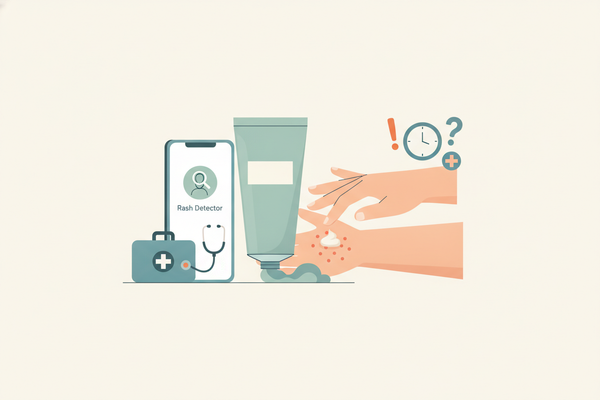
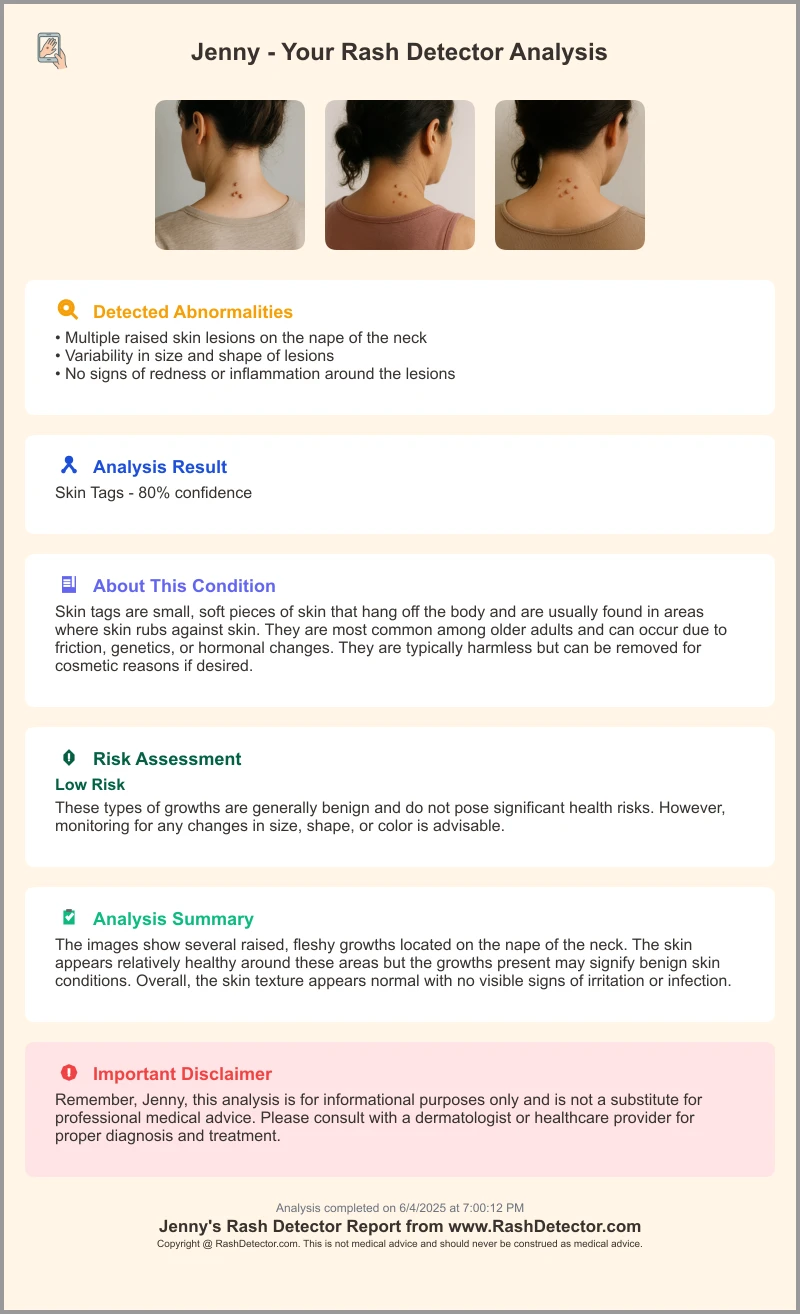
For easy tracking of smog-related skin irritations, consider using Rash Detector, a Skin Analysis App that uses AI to analyze your rash from just a few photos and delivers a report on possible triggers and care tips. Rash Detector also integrates with popular AQI apps and offers reminders for protective skincare steps on high-pollution days.
Conclusion
Effective smog-related rash prevention combines a targeted skincare routine, protective behaviors, healthy diet, and timely expert care. By double-cleansing pollutants, supporting your barrier with ceramides, postbiotics, and antioxidants, and adjusting lifestyle habits—like wearing masks and running air purifiers—you may help mitigate inflammation and support a healthy complexion even in urban environments.
Take action today: subscribe for more urban skincare tips and download our printable “Anti-Smog Skin Care Checklist” to stay one step ahead of pollution’s effects.
FAQ
- What causes a smog-related rash?
Airborne pollutants such as PM2.5, ozone, and sulfur dioxide may penetrate the skin barrier, contributing to inflammation and irritation. - How can I help prevent smog-induced skin irritation daily?
Follow a routine of double cleansing, barrier-repair moisturizer, daily SPF, and antioxidant serums to help neutralize pollutants. Consider adding postbiotic skincare if recommended by your dermatologist. - Which ingredients may help protect the skin from pollution?
Niacinamide, ectoin, CoQ10, polyphenol-rich antioxidants, and postbiotics may help support the barrier and neutralize free radicals. - Are DIY remedies effective against pollution rashes?
Oatmeal baths, aloe vera gel, and green tea compresses may help soothe inflammation and complement your skincare regimen. Use these for mild symptoms only. - When should I consult a dermatologist?
If a rash persists beyond two weeks, spreads, shows signs of infection, is painful, or is accompanied by systemic symptoms. Always seek professional advice for diagnosis and treatment.