Medication Rash Treatment: Comprehensive Guide to Identification and Management
Learn effective medication rash treatment techniques with our comprehensive guide to identifying and managing drug-induced skin reactions safely.

Estimated reading time: 8 minutes
Key Takeaways
- Early Identification: Spotting drug eruptions quickly can prevent severe outcomes like SJS/TEN.
- Reaction Types: Differentiate between immune-mediated (allergic) and pharmacologic (non-allergic) rashes.
- Treatment Options: OTC solutions, prescription therapies, and hospital-based interventions tailored by severity.
- Prevention Strategies: Document allergies, communicate with providers, and consider specialist testing.
- When to Seek Help: Recognize red flags—breathing issues, widespread blistering, mucosal involvement.
Table of Contents
- Section 1: Understanding Medication-Induced Rashes
- Section 2: Recognizing the Symptoms
- Section 3: In-Depth Look at Medication Rash Treatment
- Section 4: Managing and Preventing Future Reactions
- Section 5: Expert Advice and When to Seek Medical Help
- Conclusion
Section 1: Understanding Medication-Induced Rashes
A medication-induced rash is a skin eruption linked directly to a drug. It can be immune-mediated (allergic) or pharmacologic (non-allergic).
Allergic vs Non-Allergic Reactions
- Allergic reactions (immune-mediated):
- Hives (urticaria)
- Swelling (angioedema)
- Itching (pruritus)
- Non-allergic reactions (pharmacologic):
- Redness (erythema) without immune involvement
- Mild discomfort or rash-like side effects
Common Culprits
- Antibiotics: penicillins, sulfa drugs
- Anticonvulsants: phenytoin
- NSAIDs: ibuprofen
- Other agents: allopurinol
Learn more about identifying drug-induced rash symptoms.
Why Early Identification Matters
- Prevents progression to Stevens-Johnson syndrome (SJS) or toxic epidermal necrolysis (TEN)
- Reduces hospitalizations and systemic complications
- Guides quicker withdrawal of the offending drug
Section 2: Recognizing the Symptoms
Early recognition of a medication-induced rash can save lives. Below are key signs, red flags, and self-monitoring tips.
Common Signs of a Medication Rash
- Redness (erythema on skin)
- Itching (pruritus)
- Swelling (edema)
- Hives or welts (urticaria)
- Peeling or blistering in severe cases
Red Flags for Severe Reactions
- Swelling of lips, tongue, or throat
- Difficulty breathing or swallowing
- Rapidly expanding rash with blisters or purplish discoloration (SJS/TEN risk)
Self-Monitoring Guidance
- Log timing: note when rash appeared in relation to new meds
- Photograph progression: visual record for your provider
- Track symptoms: fever, joint pain, fatigue
Step-by-step guidance on tracking rash photos.
When to Consult a Professional
- Widespread rash covering large body areas
- High fever or signs of infection
- Breathing difficulty or throat swelling
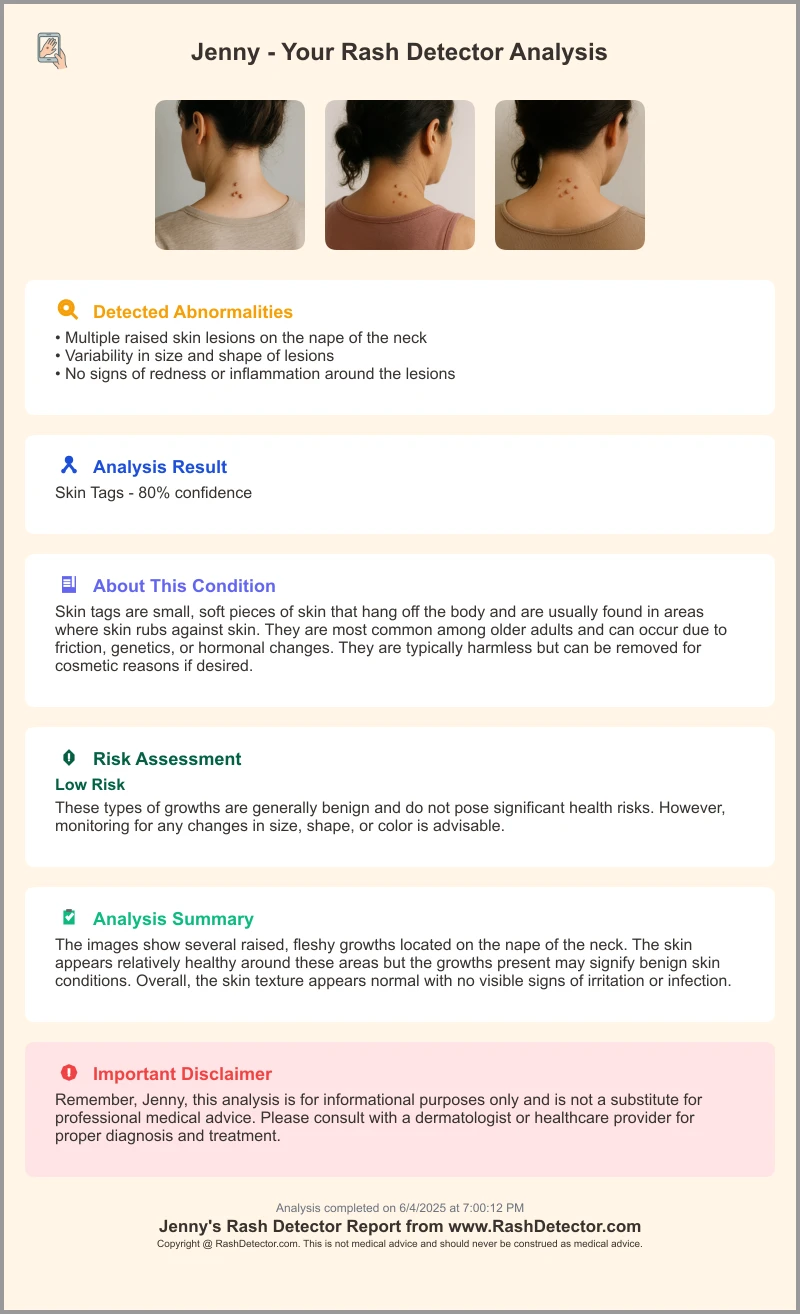
For a quick AI-based skin analysis, consider uploading photos to the Skin Analysis App. Rash Detector can generate an instant sample report to help you share detailed findings with your provider.
Section 3: In-Depth Look at Medication Rash Treatment
Effective medication rash treatment depends on severity and cause. A tailored approach often combines drug withdrawal, supportive care, and targeted therapies.
General Approach
- Discontinue the offending medication only under medical guidance
- Maintain hydration and monitor vital signs (temperature, blood pressure)
- Document the suspected drug for future reference
Over-the-Counter (OTC) Options
- Antihistamines: cetirizine or diphenhydramine to relieve itching and reduce hives
- Topical corticosteroids: 1% hydrocortisone cream to lessen inflammation
- Calamine lotion: soothes irritated skin and absorbs fluids
- Cool compresses: cotton cloth with cold water to calm heat and burn sensation
- Oatmeal baths: colloidal oatmeal soaks for symptomatic relief of itching
Compare top OTC anti-itch solutions: best anti-itch cream solutions.
Prescription Treatments
- Strong corticosteroids: oral prednisone or potent topical steroids for severe inflammation
- Hospital therapies:
- Intravenous immunoglobulin (IVIG) for life-threatening bullous reactions
- Cyclosporine or other immunomodulators for toxic epidermal necrolysis
- Epinephrine: immediate injection for anaphylaxis under emergency care
Tailoring Therapy
- Rash severity (mild vs blistering)
- Patient allergy history (previous anaphylaxis, atopy)
- Comorbidities (immune disorders, kidney or liver function)
Section 4: Managing and Preventing Future Reactions
Once the rash resolves, focus on at-home care and prevention to avoid re-exposure and future drug eruptions.
At-Home Management Tips
- Cool damp compresses: reduce heat, calm itching
- Fragrance-free cleansers: avoid soaps with harsh chemicals
- Loose, breathable clothing: cotton or bamboo fabrics prevent friction
- Gentle moisturizers: restore skin barrier without irritation
Prevention Strategies
- Document all drug allergies: create a list and update at each visit
- Share allergy history: inform pharmacists, doctors, and dentists
- Wear a medical alert bracelet: ensures emergency teams know your triggers
- Specialist patch testing: dermatologist-supervised tests pinpoint culprits
Lifestyle Modifications
- Avoid known allergens and related drug classes
- Maintain an updated allergy card in your wallet
- Use electronic health records to flag allergies in your chart
Section 5: Expert Advice and When to Seek Medical Help
Knowing when to seek advanced care is vital for safe medication rash treatment.
When to Get Emergency Care
- Facial or throat swelling, respiratory distress
- Rapidly spreading rash or large blisters
- Mucous membrane involvement (eyes, mouth, genitals)
- High fever, chills, or systemic symptoms (fatigue, dizziness)
Role of Dermatologists and Allergists
- Detailed history and physical exam to confirm drug causality
- Skin testing or lab tests (patch tests, blood markers)
- Desensitization protocols for essential medications
- Personalized future medication plans
Serious-Symptom Checklist
- Is the rash worsening despite home care?
- Are you experiencing breathing problems?
- Do you have blisters or mucosal sores?
- Is there a persistent high fever?
Conclusion
Medication-induced rashes require swift action. Early identification, withdrawal of the trigger, and a tailored treatment plan can prevent severe complications. Always communicate allergy history and seek professional help for severe or persistent symptoms. Your safety depends on prompt care and clear documentation.
Call to Action
Consult your healthcare provider for personalized diagnosis and management of any suspected medication rash.
FAQ
What should I do if I notice a mild rash after starting a new medication?
First, document the rash’s appearance and timing. Use cool compresses and OTC antihistamines to manage itching, and inform your healthcare provider before making any changes to your medication.
When is a medication-induced rash considered an emergency?
Emergency warning signs include facial or throat swelling, breathing difficulty, rapid blistering, mucosal involvement, or high fever. Seek immediate medical care if any of these occur.
Can over-the-counter creams fully treat medication-induced rashes?
OTC creams and antihistamines relieve mild symptoms, but may not address severe or immune-mediated reactions. Persistent or worsening rashes often require prescription therapies or specialist evaluation.
How can I prevent future medication rashes?
Maintain an up-to-date list of drug allergies, wear a medical alert bracelet, share your allergy history with all providers, and consider dermatologist-supervised patch testing to identify safe alternatives.