Medication Rash Treatment: A Complete Guide to Managing Drug-Induced Skin Reactions
Explore medication rash treatment strategies to manage and prevent drug-induced skin reactions effectively. Learn key signs, remedies, and when to seek medical care.
Estimated reading time: 7 minutes
Key Takeaways
- Medication rashes vary from mild eruptions to severe, life-threatening reactions.
- Early identification and treatment reduce complications and prevent recurrence.
- Home remedies and over-the-counter solutions can relieve symptoms, but discontinuing the offending drug is essential.
- Know when to seek immediate medical care for serious signs like anaphylaxis or skin detachment.
Table of Contents
- Understanding Medication Rashes
- Drugs Most Likely to Cause Rashes
- Key Signs, Symptoms, and Warning Signals
- How Healthcare Professionals Diagnose Medication Rashes
- Home Remedies and Over-the-Counter Solutions
- Prescription Treatments and Alternatives
- When to Seek Immediate Medical Care
- Avoiding Future Medication Rashes
- Monitoring and Testing
- Conclusion
- Additional Resources
Understanding Medication Rashes
Introduction
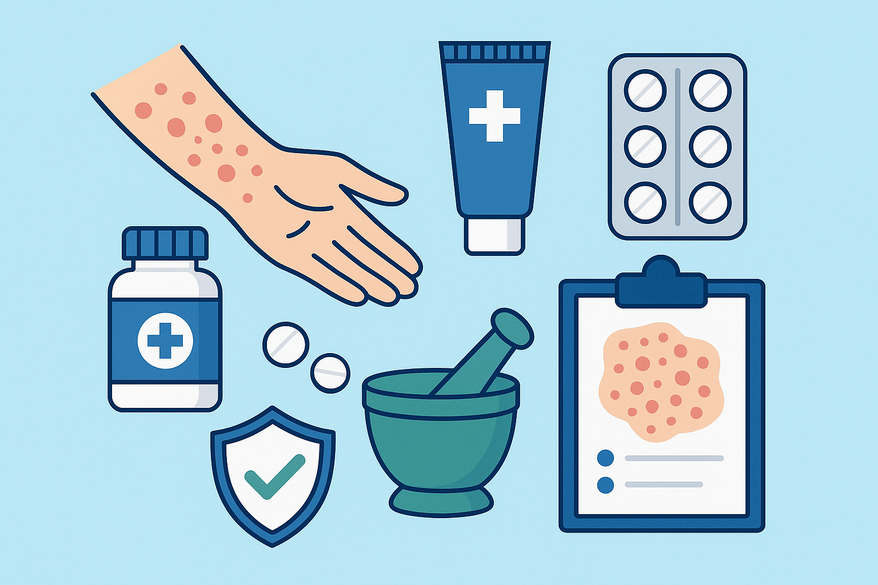
Medication rash treatment is key to stopping skin reactions caused by drugs. Medication rashes are adverse skin reactions that can range from mild, transient eruptions to severe, life-threatening syndromes. They occur when the immune system reacts to a drug (allergic response), when a drug directly harms skin cells (direct toxicity), or when certain medicines make skin overly sensitive to sunlight (phototoxicity). Early and proper medication rash treatment helps reduce complications and lowers the chance the rash will come back.
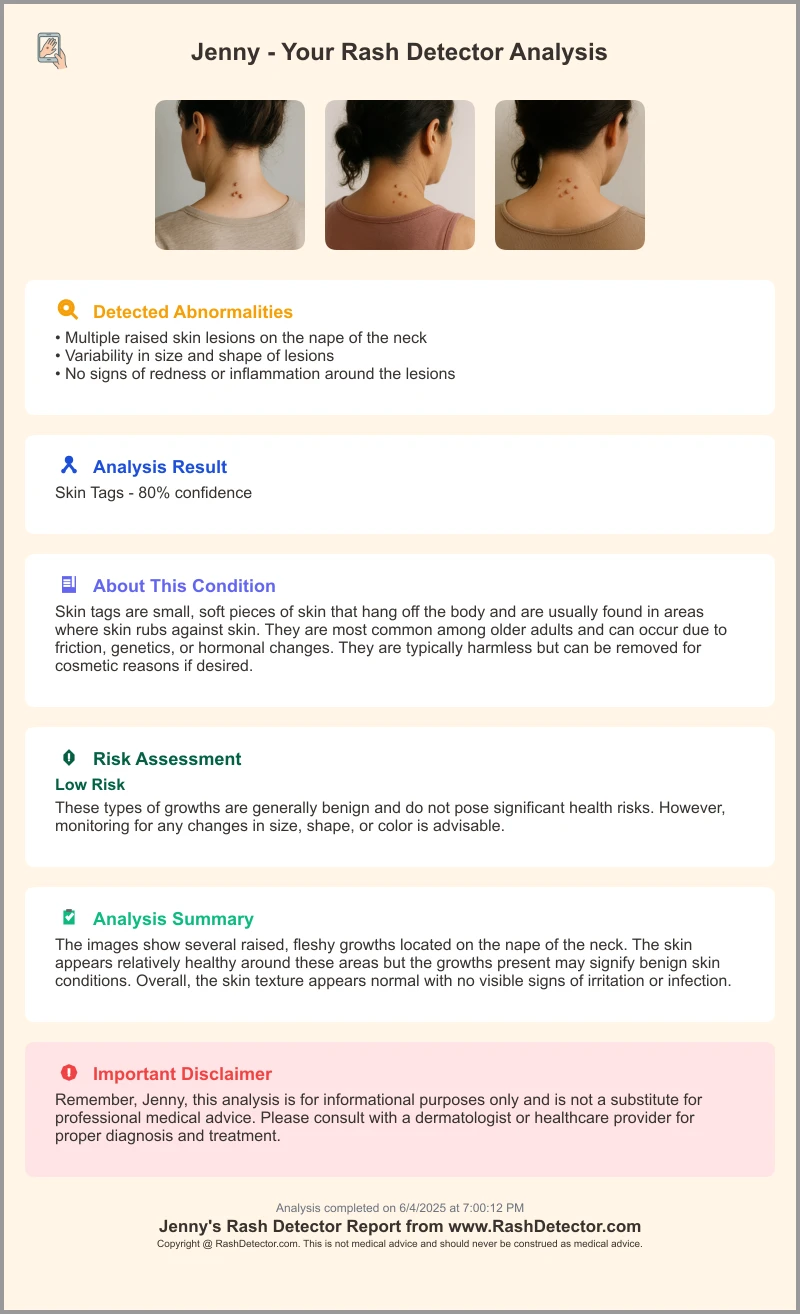
To streamline early detection and get personalized insights, consider using Rash Detector, a Skin Analysis App that provides instant AI-powered feedback based on your rash photos.
Drugs Most Likely to Cause Rashes
Knowing which drugs often lead to skin reactions helps guide medication rash treatment:
- Antibiotics
Sulfonamides, penicillins, tetracyclines (immune-mediated) - Anticonvulsants
Phenytoin, phenobarbital (Type IV hypersensitivity) - NSAIDs and aspirin
Ibuprofen, naproxen (immune and toxic responses) - Blood thinners and diuretics
Warfarin, thiazide diuretics (photosensitivity, allergic)
Key Signs, Symptoms, and Warning Signals
Medication rash treatment begins with spotting the right signs:
- Pimples, red patches, or raised bumps – Often on face, shoulders, chest
- Red, scaly, thickened plaques – May spread over large skin areas
- Fixed drug eruption – Dark red or purple spot that recurs in same place
- Measles-like flat rash – Blanching or non-blanching, widespread
- Blisters, hives, mucosal involvement – Mouth, genitals, or vaginal lining sores
For a deeper dive into symptom recognition, see identifying drug-induced rash symptoms. Differentiating minor reactions from serious allergies guides prompt care:
Differentiating Minor Reactions from Serious Allergies
Minor reactions:
• Localized itching or redness
• Mild hives, small rash patches
• Resolves after stopping the drug
Serious allergies:
• Angioedema (facial or throat swelling)
• Widespread urticaria (large hives)
• Blistering or peeling skin (Stevens-Johnson syndrome, TEN)
• Anaphylaxis (difficulty breathing, hypotension)
Immediate medical care is vital for severe signs.
How Healthcare Professionals Diagnose Medication Rashes
- Thorough medical history – Note drug start date vs. rash onset
- Full skin and mucous membrane exam – Check morphology and spread
- Drug dechallenge – Stop suspect drug, watch for rash improvement
- Rechallenge – Rarely used; only by specialists
- Laboratory tests – CBC, liver/renal panels if systemic signs arise
- Skin biopsy – For severe or unclear cases (SJS/TEN)
Home Remedies and Over-the-Counter Solutions
Safe first steps in medication rash treatment:
- Discontinue the suspect medication – Under doctor guidance
- Oral antihistamines – Diphenhydramine, cetirizine for itch relief
- Topical soothing agents – Calamine lotion, oatmeal baths, cool compresses
For recommendations on the best over-the-counter anti-itch products, check our guide.
Prescription Treatments and Alternatives
- Topical corticosteroids – Low (hydrocortisone) to high potency (clobetasol)
- Oral corticosteroids – Prednisone 0.5–1 mg/kg/day, taper over 7–14 days
- Epinephrine auto-injector – 0.3 mg IM every 5–15 minutes for anaphylaxis
- Immunomodulators – Cyclosporine for TEN under specialist care
When to Seek Immediate Medical Care
Refer for advanced care if you see:
- Signs of anaphylaxis (respiratory distress, hypotension)
- Extensive blistering or skin detachment >10% BSA
- Mucous membrane involvement (eyes, mouth, genitals)
- Rapid rash progression, fever, malaise
Avoiding Future Medication Rashes
- Compile full allergy and drug reaction history
- Update electronic records with allergy alerts
- Use graded drug challenges under supervision
- Choose alternative drug classes if prior rash occurred
Monitoring and Testing
Ongoing strategies to spot early problems:
- Teach patients self-monitoring – Daily skin checks for 2–4 weeks after new drug
- Photograph new rashes – Track growth or fading
Learn how to set up a systematic rash photo journal.
Conclusion
Early identification, accurate diagnosis, and tailored medication rash treatment are crucial to prevent serious outcomes. Clear patient–provider communication and thorough allergy documentation help avoid future reactions. If you suspect a medication rash, contact your healthcare provider immediately for safe and effective care.
Additional Resources
- University of Rochester Medical Center Dermatology Encyclopedia
- Harvard Health Blog on Drug Rashes
- Children’s National Health Drug Rash Library
- American Academy of Dermatology Drug Allergy Guidelines
- Drug Allergy Support Network
FAQ
Q1: How soon after starting a drug can a rash appear?
Rashes can surface within a few hours to several weeks after drug initiation. It varies by reaction type and patient factors.
Q2: Can all medications cause rashes?
Virtually any drug can trigger a skin eruption, but antibiotics, anticonvulsants, and NSAIDs are the most common culprits.
Q3: Is it safe to resume a drug after a rash resolves?
Rechallenge is generally avoided outside specialist settings, especially if prior reactions were severe.
Q4: Are children more at risk for drug rashes?
Children and adults share similar risk. Past allergies or immune issues raise the chance of rash in any age group.
Q5: What immediate steps should I take if I get a drug rash?
Stop the suspect medicine, take OTC antihistamines for itch relief, and consult your healthcare provider. Seek ER care for anaphylaxis or severe blistering.