Medication Rash Treatment: A Complete Guide to Managing Drug-Induced Rashes
Learn about medication rash treatment, how to identify drug-induced rashes, and steps for effective management to prevent serious complications.

Estimated reading time: 10 minutes
Key Takeaways
- Early recognition of drug rashes can prevent serious complications like SJS/TEN.
- Mechanisms include allergic, non-allergic, and delayed hypersensitivity reactions.
- Diagnosis relies on clinical history, morphology, and tests like biopsies or allergy testing.
- Treatment ranges from home remedies to prescription therapies, guided by severity.
- Prevention involves clear record-keeping, risk reduction, and communication with providers.
Table of Contents
- Understanding Medication-Induced Rashes: Drug Rash Mechanisms
- Steps for Diagnosis to Identify Medication Rash
- Medication Rash Treatment Options and Drug Rash Treatment
- When to Seek Medical Advice for Medication Rash Treatment
- Prevention and Long-Term Management to Prevent Medication Rash
- Conclusion
- FAQ
Understanding Medication-Induced Rashes: Drug Rash Mechanisms
Proper medication rash treatment begins with knowing why rashes occur. Drug rash and drug-induced skin reaction are umbrella terms for several mechanisms.
A. Mechanisms of Reaction
- Allergic (immune-mediated): Immune cells mistake a drug for a threat, releasing histamine and inflammatory mediators. Manifests as hives, angioedema, or severe SJS/TEN with skin sloughing. Real-world example: A patient on sulfonamides develops widespread urticarial wheals within hours.
- Non-allergic side effects: Predictable, dose-related irritations such as photosensitivity rashes from tetracyclines when sun-exposed or steroid-induced acneiform eruptions in corticosteroid users.
- Delayed hypersensitivity (DRESS/DIHS): Occurs 2–8 weeks after starting a drug, presenting with fever, lymphadenopathy, rash, and multi-organ involvement. Case study: Allopurinol-induced DRESS requiring hospitalization for liver dysfunction.
B. Common Culprit Drugs
- Antibiotics: penicillins, sulfonamides
- Anticonvulsants: carbamazepine, phenytoin
- NSAIDs: ibuprofen, naproxen
- Allopurinol for gout
- Timing: Immediate (< 24 hours) for IgE allergies; delayed (days–weeks) for exanthems and DRESS.
C. Typical Presentation
- Red or pink macules and papules on trunk or limbs
- Itching (pruritus) and possible burning sensation
- Hives: migrating, raised wheals
- Warning signs requiring urgent care: blistering, mucosal sores, fever, swollen lymph nodes.
Steps for Diagnosis to Identify Medication Rash
Diagnosing a drug eruption relies on clinical clues, history, and targeted tests.
A. Clinical Assessment
- Timeline correlation: Exanthem rashes often appear 5–14 days after starting a drug; true allergic reactions within minutes to hours.
- Morphology/distribution: Flat vs. raised lesions, target lesions (erythema multiforme), pustules; location patterns suggest specific reactions.
- Systemic signs: Lymphadenopathy, fever, hypotension, organ dysfunction—suggestive of severe hypersensitivity.
For details on symptom recognition.
B. Medical History
- List all current and recent medications, including OTC and supplements.
- Document onset dates, dose changes, and duration of each drug.
- Note past drug reactions and family history of allergies.
- Example: A patient with prior sulfa allergy must avoid related diuretics.
C. Diagnostic Tools
- Skin biopsy: For uncertain or severe cases (distinguishing SJS/TEN from erythema multiforme).
- Allergy testing: Patch tests for delayed reactions and penicillin skin testing for immediate IgE-mediated allergy.
Medication Rash Treatment Options and Drug Rash Treatment
Therapy is tiered by severity: conservative care, OTC remedies, and prescriptions.
A. Conservative/Supportive Care
- Immediate withdrawal of the offending drug when medically safe.
- Monitoring mild rashes with hydration and skin protection.
- Hospitalization criteria for SJS/TEN or anaphylaxis: >10% body surface sloughing, airway compromise, hemodynamic instability.
B. Over-the-Counter & Home Remedies
- Oral antihistamines (cetirizine, loratadine) to relieve itching.
- Topical low-potency corticosteroids and emollients for inflamed patches.
- Self-care tips: cool compresses, oatmeal baths, gentle cleansers, loose clothing.
- Ensure no fever or mucosal involvement and rash is stable or improving.
For a detailed comparison of over-the-counter vs. prescription treatments and top OTC itch-relief options.
C. Prescription Treatments
- Prescription-strength antihistamines or combination H1/H2 blockers.
- Mid-to-high-potency topical steroids for extensive inflammation.
- Systemic corticosteroids (oral/IV) for moderate to severe eruptions.
- Advanced immunomodulators (cyclosporine, IVIG) for SCARs (SJS/TEN, DRESS).
When to Seek Medical Advice for Medication Rash Treatment
Knowing when to get help can be lifesaving.
A. Emergency Warning Signs (ER)
- Anaphylaxis: wheezing, shortness of breath, throat tightness.
- Facial, lip, tongue, or throat swelling.
- Rapidly spreading rash with blistering or peeling.
- Mucosal ulcers in mouth, eyes, or genitals.
- High fever (>101°F), chills, flu-like symptoms.
- Signs of organ involvement: confusion, jaundice, decreased urination.
B. Urgent Outpatient Consultation
- New rash after starting an essential medication.
- Mild rash persisting or worsening despite home care.
- Uncertainty about stopping a critical drug.
- History of severe drug reactions with any new rash.
Prevention and Long-Term Management to Prevent Medication Rash
Proactive steps reduce recurrence risk and guide future care.
A. Record-Keeping and Communication
- Document drug name, dose, reaction details in personal and medical records.
- Share allergy history with all healthcare providers.
- Consider a medical alert bracelet for life-threatening drug allergies.
B. Risk Reduction Strategies
- Review package inserts for rash warnings before starting new meds.
- Discuss high-risk drugs with clinicians.
- Avoid re-exposure and cross-reactive agents after serious reactions.
C. Follow-Up Care
- Monitor organ function (liver, kidneys) after severe reactions.
- Refer to a dermatologist or allergist for confirmatory testing.
- Develop alternative therapy plans if the offending drug is critical.
Conclusion
Effective medication rash treatment hinges on early identification, appropriate therapy tiers, and knowing when to escalate care. Recognizing typical rash patterns, safely stopping the offending drug, and applying the right mix of home remedies or prescriptions will minimize harm. Always be vigilant for red-flag symptoms that require urgent attention. Documenting reactions and communicating with future providers prevents recurrence and supports personalized long-term management.
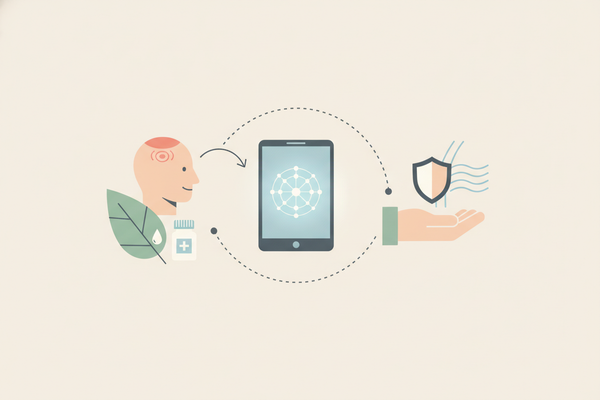
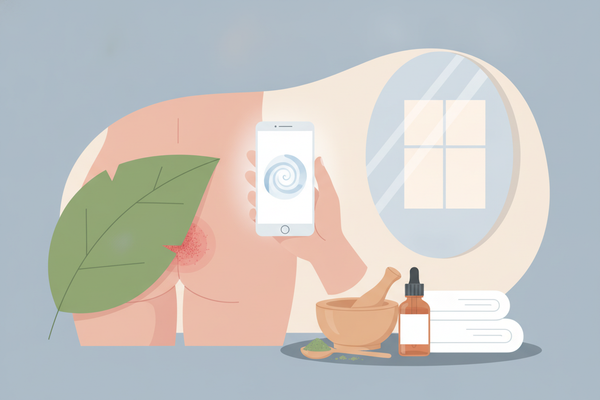
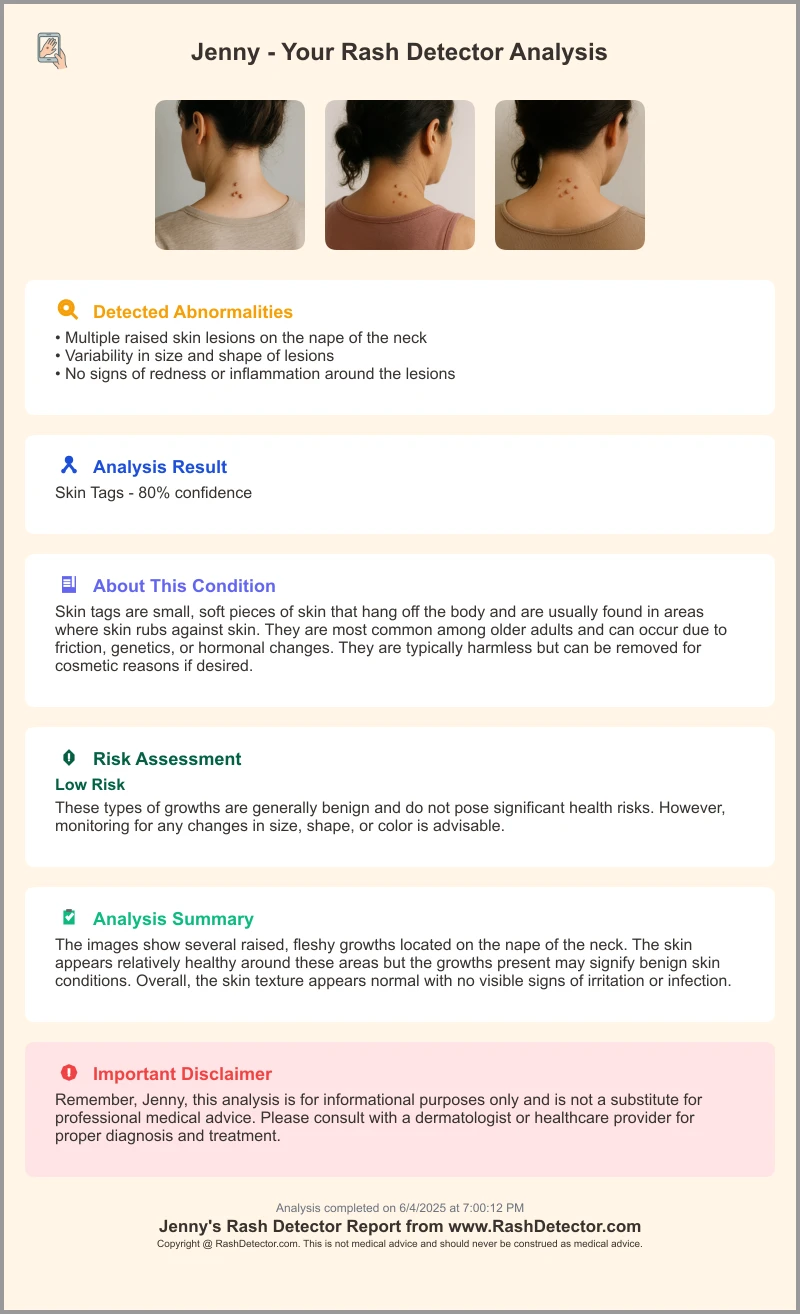
Tools like Rash Detector offer AI-driven skin assessments to help you identify potential drug rashes quickly. Simply upload three clear images and get an instant sample report for guidance on next steps.
FAQ
- What is a medication rash? A medication rash is a skin reaction triggered by a prescription drug, over-the-counter medicine, or supplement, ranging from mild itching to severe blistering conditions like SJS/TEN.
- How can I treat mild medication rashes at home? You can use oral antihistamines, topical low-potency corticosteroids, cool compresses, oatmeal baths, and gentle skincare routines when there’s no fever or mucosal involvement.
- When should I seek medical attention? Seek immediate care if you experience anaphylaxis, facial swelling, rapidly spreading blistering rash, mucosal ulcers, high fever, or signs of organ involvement. Consult your provider for persistent or worsening rashes.
- How can I prevent future medication rashes? Keep detailed records of drug reactions, communicate allergy history with all healthcare providers, review medication warnings, and avoid re-exposure or cross-reactive agents.