Medication Rash Treatment: How to Identify, Manage, and Prevent Drug-Induced Rashes
Learn medication rash treatment to identify, manage, and prevent drug-induced rashes. Essential steps for early recognition and effective management.

Estimated reading time: 8 minutes
Key Takeaways
- Drug-induced rashes can range from mild eruptions to life-threatening reactions like SJS/TEN or DRESS.
- Early recognition of symptoms—macules, papules, itching, hives, and systemic signs—is critical.
- Diagnosis involves a thorough medication history, physical exam, and possibly blood tests or biopsy.
- Treatment includes stopping the offending drug, antihistamines, corticosteroids, and supportive care.
- Preventive measures: allergy testing, carrying a drug allergy card, and maintaining updated health records.
Table of Contents
- Understanding Medication-Induced Rashes
- Identifying a Medication Rash
- Diagnosis and Medical Evaluation
- Management and Treatment Options
- Preventive Measures and Long-Term Considerations
- When to Seek Urgent Medical Help
- Conclusion
- FAQ
Section 1: Understanding Medication-Induced Rashes
Definition & Differentiation
Drug rashes are skin eruptions tied directly to a medication or its metabolites. They often:
- Begin days to weeks after starting or changing a drug dose
- Recur upon re-exposure to the same drug
- Display specific patterns such as morbilliform, urticarial, or target lesions
Mechanisms & Common Culprits
Drug rashes arise via two main processes:
- Immunologic (allergic) reactions – the immune system treats the drug as harmful
- Non-allergic (idiosyncratic/toxic) reactions – direct irritation or toxic metabolite buildup
High-risk drug classes include:
– Penicillins and sulfonamide antibiotics
– Antiseizure medications (phenytoin, carbamazepine)
– Allopurinol
– NSAIDs (ibuprofen, naproxen)
For more on identifying drug-induced rash symptoms, see identifying drug-induced rash symptoms.
Symptoms & Early Warning Signs
Watch for:
- Red or pink macules (flat spots) or papules (small bumps) that may spread
- Itching (pruritus) or burning sensations
- Hives (urticaria): raised, itchy welts that appear and fade
- Systemic signs: fever, fatigue, swollen lymph nodes
- Blistering skin or mucous membrane involvement (mouth, eyes)
Section 2: Identifying a Medication Rash
Visual Clues & Timing
Key signs a rash is drug-related:
- Onset: appears 1–3 weeks after starting or increasing a medication
- Pattern: begins on the trunk then spreads to arms and legs
- Morphology:
- Morbilliform (measles-like) red patches
- Urticarial wheals (hives)
- Blisters or target-shaped lesions in severe cases
Monitoring Progression
Keep a daily log:
- Record rash onset date and any drug dose changes
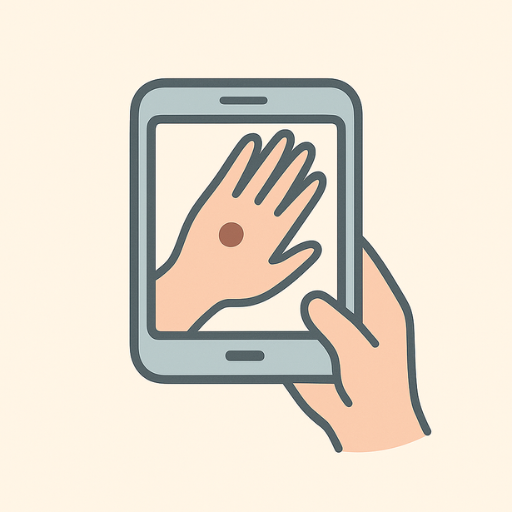
- Take photos in consistent lighting to track spread or resolution
- Note new symptoms: pain, swelling, fever
When to Consult a Professional
Johns Hopkins notes diagnosing drug rashes is “complicated” and often needs a full medication review or biopsy.
Early clinical evaluation can confirm the culprit drug and prevent progression to severe cutaneous adverse reactions (SCARs).
Section 3: Diagnosis and Medical Evaluation
Detailed Medical History
A thorough drug history should include:
- All prescription, OTC, and supplement start dates
- Dosage changes and duration
- Past drug allergies or similar skin reactions
Physical Exam & Red-Flags
During the exam, clinicians inspect:
- Rash morphology: color, shape, distribution
- Mucosal lesions: sores in the mouth, eyes, or genitals
- Lymphadenopathy: swollen lymph nodes
- Organ signs: fever, jaundice, kidney issues
Diagnostic Tests
Tests depend on severity:
- Bloodwork: CBC with eosinophils, liver and kidney function
- Skin biopsy: for unclear or severe eruptions (e.g., SJS/TEN)
- Allergy tests: patch or intradermal tests weeks after recovery
Role of Pharmaceutical History
A clear pharmaceutical history guides:
- Safe withdrawal of the offending drug
- Selection of alternative medications
- Avoidance of cross-reactive agents in the future
Section 4: Management and Treatment Options
Immediate Steps
- Contact your provider—don’t stop critical medications on your own.
- Under guidance, discontinue non-essential suspected drugs.
- For anaphylaxis signs, seek emergency care immediately.
OTC vs Prescription Therapies
Mild rashes without systemic signs:
- OTC antihistamines (diphenhydramine, loratadine)
- Low-potency topical corticosteroids (hydrocortisone)
Moderate to severe reactions:
- Stronger oral antihistamines or prescription steroids
- Topical corticosteroids of moderate strength
- Short-course oral corticosteroids with taper for widespread rash or DRESS
Role of Topical Agents, Antihistamines & Corticosteroids
Emollients and barrier creams soothe dry skin.
Antihistamines block H1 receptors to reduce itch.
Corticosteroids inhibit cytokines to cut inflammation.
Severe cases (SJS/TEN) may require IVIG or cyclosporine in hospital.
Adjusting or Discontinuing Meds
- Withdraw the offending agent under medical supervision.
- Substitute with a different class when possible (e.g., non-sulfa antibiotic).
- Never abruptly stop life-saving drugs; desensitization protocols may help.
- Monitor for flare-ups; some reactions worsen briefly after stopping.
Section 5: Preventive Measures and Long-Term Considerations
Documentation & Communication
- Carry a drug allergy card listing the medicine, dose, and reaction type.
- Update electronic health records and share with all providers.
- Wear a medical alert ID for severe reactions (e.g., SJS/TEN).
Allergy Testing & Specialist Referral
Patch or intradermal tests after recovery to confirm safe and unsafe drugs. Allergy/desensitization programs under an allergist for essential medications. For detailed strategies on managing drug allergy rash.
Alternative Drug Options
- Choose an unrelated class if cross-reactivity risk is high (e.g., macrolide vs sulfonamide antibiotic).
- Reintroduce suspect drugs under close supervision in small increments.
Section 6: When to Seek Urgent Medical Help
Red-Flag Symptoms for ER/UC:
• Breathing difficulty, wheezing, throat tightness (anaphylaxis)
• Sudden dizziness, fainting, low blood pressure
• Rapidly spreading blisters, skin peeling, painful sores (SJS/TEN)
• Mouth, eye, or genital mucosal ulcers
• High fever, swollen lymph nodes, jaundice, low urine output (DRESS)
Advice: Stop the suspected drug and bring your complete med list and rash photos to the ED.
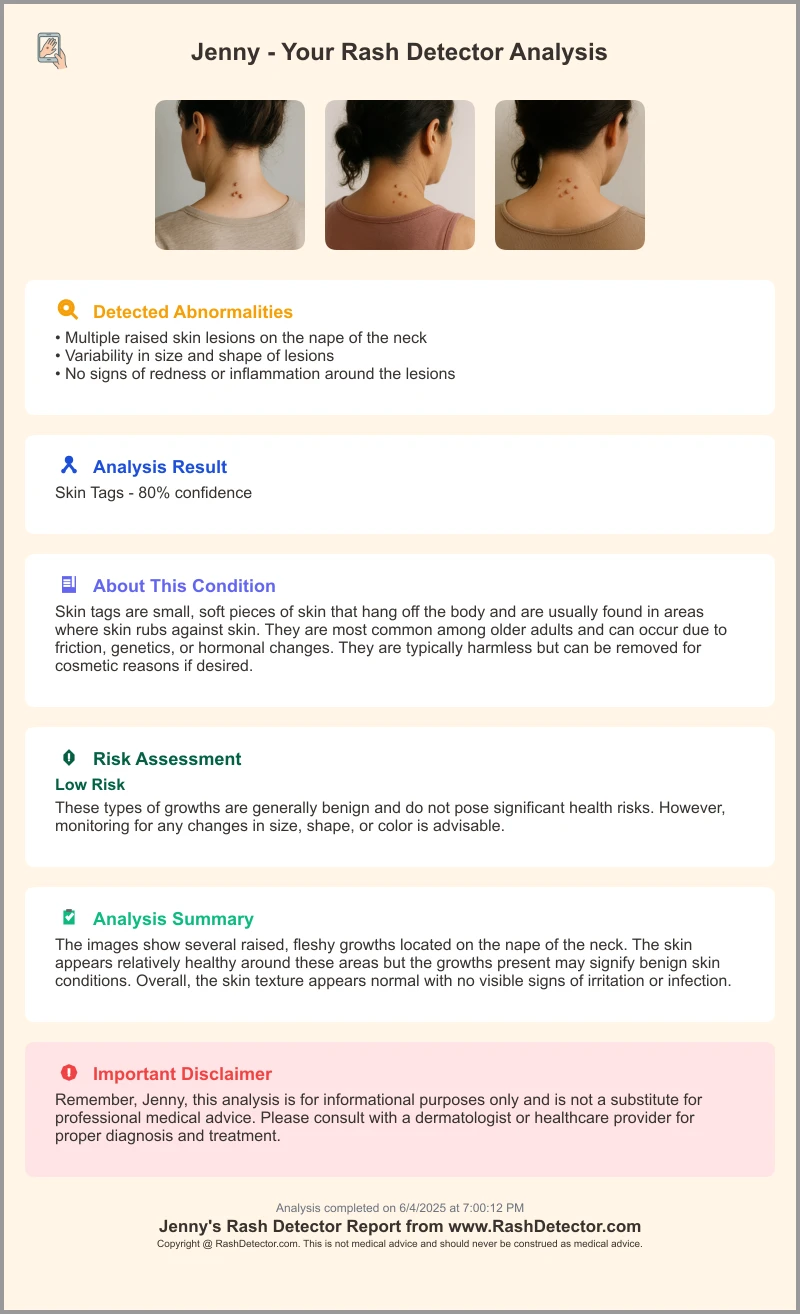
You can also get an instant AI skin analysis from Rash Detector by uploading three photos of your rash for personalized insights:
Conclusion
Medication-induced rashes range from mild eruptions to severe conditions like SJS/TEN or DRESS. Prompt treatment—identifying and stopping the culprit drug, using antihistamines, topical or oral steroids—resolves most mild cases. Severe reactions need urgent care and specialist management. Keep detailed records of any drug reaction, share your history with healthcare providers, and consider allergy testing to guide safe future choices. Discuss your medication history with your provider today for a personalized treatment strategy.
FAQ
What are common symptoms of a drug rash?
Typical signs include red or pink macules and papules, intense itching, hives, and sometimes fever or swollen lymph nodes.
How soon after taking medication can a rash appear?
Most drug rashes emerge within 1–3 weeks of starting or increasing a medication dose.
When should I see a doctor for a drug rash?
Seek medical advice if the rash spreads rapidly, is painful, involves mucous membranes, or is accompanied by systemic symptoms like fever.
Can medication rashes be prevented?
Preventive steps include detailed drug histories, allergy testing, wearing medical alert IDs, and maintaining up-to-date health records.
Are there tests to confirm a drug allergy?
Yes. After recovery, patch or intradermal tests can identify safe and unsafe drugs; doctors may also perform bloodwork and skin biopsies.