Medication Rash Treatment: Comprehensive Guide to Managing Drug-Induced Rashes
Explore our guide on medication rash treatment, covering causes, symptoms, diagnosis, and management of drug-induced rashes. Ensure safe and effective care.

Estimated reading time: 8 min read
Key Takeaways
- Medication-induced rashes can range from mild itchiness to life-threatening conditions like Stevens-Johnson syndrome.
- Early recognition, timeline documentation, and professional evaluation are critical in managing drug eruptions.
- Treatment includes discontinuing the culprit drug, using antihistamines and corticosteroids, and providing supportive skin care.
- Severe reactions may require hospitalization, specialized wound care, and immunosuppressants under specialist guidance.
- Preventative measures—such as allergy testing, HLA screening, and patient education—help reduce future risk.
Table of Contents
- Introduction
- Section 1: Understanding Medication-Induced Rashes
- Section 2: Recognizing Signs and Symptoms
- Section 3: Diagnosis and When to Seek Professional Help
- Section 4: Detailed Discussion on Medication Rash Treatment
- Section 5: Preventative Measures and Long-Term Management
Introduction
Medication rash treatment begins with understanding that a medication-induced rash is a cutaneous reaction to prescription drugs, over-the-counter medicines, or supplements. These skin eruptions can range from mild redness and itching to severe blistering or life-threatening reactions. Early recognition and prompt medication rash treatment matter because mild reactions often resolve on their own, but severe cases can progress to Stevens-Johnson syndrome, toxic epidermal necrolysis, or anaphylaxis.
You will learn:
- Causes and types of drug-induced rashes
- Signs and symptoms to watch for
- Diagnostic steps and when to seek professional help
- Detailed medication rash treatment options
- Prevention strategies and long-term management
By the end, you’ll have actionable tips to reduce your risk and respond effectively if a rash appears.
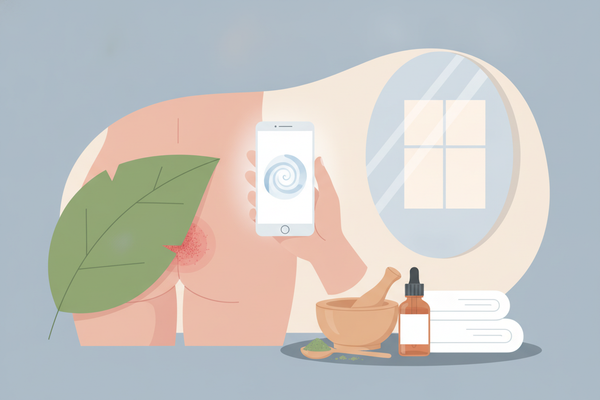
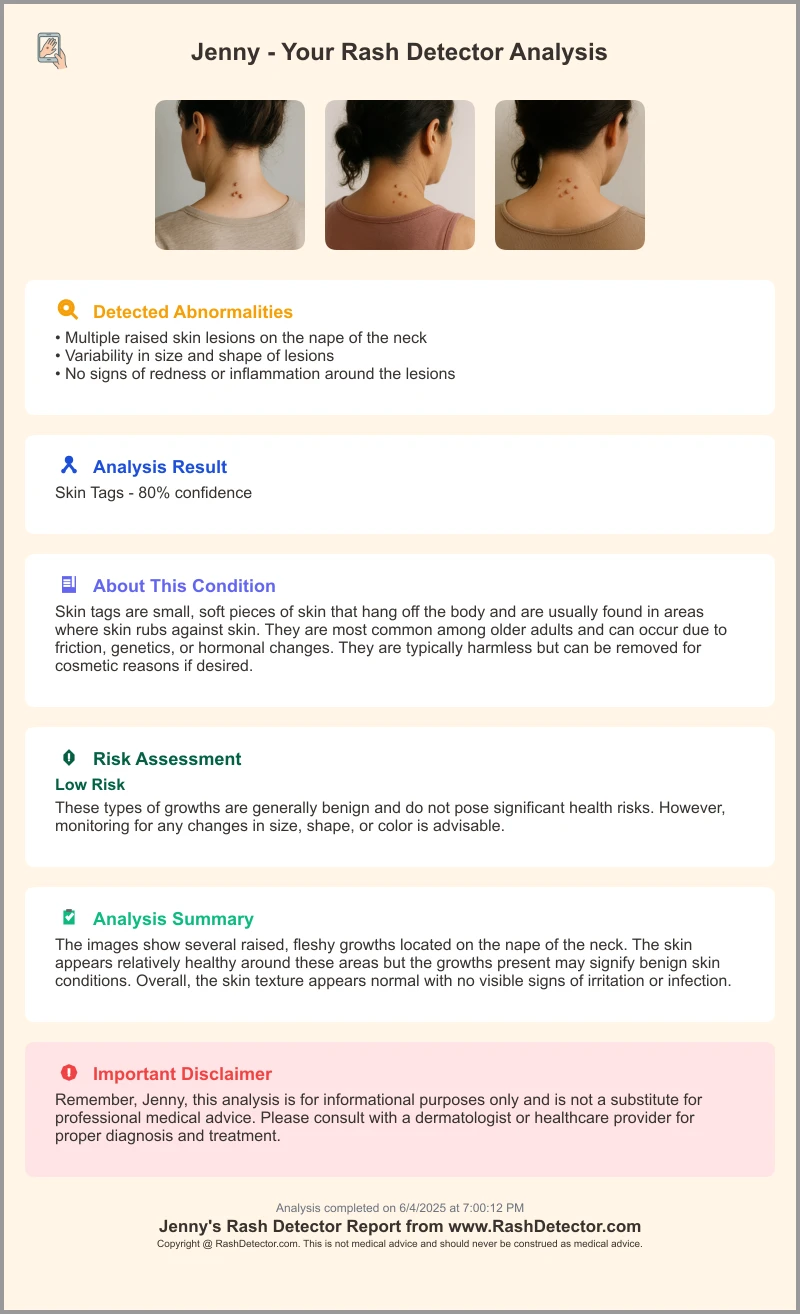
For a quick AI-powered skin analysis, try the Rash Detector app—upload photos of your rash and view a sample report like the one below:
Section 1: Understanding Medication-Induced Rashes
Define the reaction
- Medication-induced rash: a hypersensitivity or adverse skin reaction after taking a drug.
- Cutaneous reactions can include urticaria (hives), morbilliform exanthems (measles-like rash), fixed drug eruptions, and photosensitivity.
- For more on how to identify drug-induced rash symptoms, visit Rash Detector.
Timing of reactions
- Immediate reactions: occur within minutes to hours of taking a drug (Type I hypersensitivity).
- Delayed reactions: appear days to weeks after starting therapy (Type II–IV hypersensitivity).
Common culprits
- Antibiotics: penicillins, sulfonamides
- Anti-seizure drugs: phenytoin, carbamazepine
- NSAIDs: ibuprofen, naproxen
- Cardiovascular agents: warfarin, furosemide
- Allopurinol
Pathophysiology basics
- Drug hapten formation: the medication binds to skin proteins, triggering an immune response.
- Hypersensitivity reactions:
- Type I: IgE-mediated, immediate (hives, anaphylaxis)
- Type II: antibody-mediated (blood disorders, rare skin signs)
- Type III: immune complex deposition (vasculitis)
- Type IV: T-cell mediated, delayed (rash, blistering)
- T-cell–mediated injury damages the epidermis and dermis, leading to redness, itching, and sometimes blistering.
Prevalence
- Up to 3% of hospitalized patients experience some form of drug eruption.
- In a dermatology clinic, nearly 1 in 30 inpatient consultations involve a suspected drug rash.
Section 2: Recognizing Signs and Symptoms
Typical skin findings
- Itching (pruritus) and redness (erythema)
- Urticarial wheals (raised, itchy hives)
- Maculopapular rash (flat or slightly raised red bumps)
- Purpura or petechiae (small red or purple spots from bleeding under the skin)
- Blistering or skin peeling in severe cases
Systemic features of severe reactions
- Fever and malaise
- Lymphadenopathy (swollen lymph nodes)
- Facial or airway swelling (angioedema)
- Mucosal involvement: sores in mouth, eyes, or genitals
Red flags requiring urgent care
- Rapid spread over large body areas
- Blistering, skin peeling, or desquamation
- Stevens-Johnson syndrome signs: target lesions, mucosal erosions
- Difficulty breathing, wheezing, or throat tightness
Section 3: Diagnosis and When to Seek Professional Help
Self-assessment steps
- Document timeline: record the date each medication started and when the rash appeared.
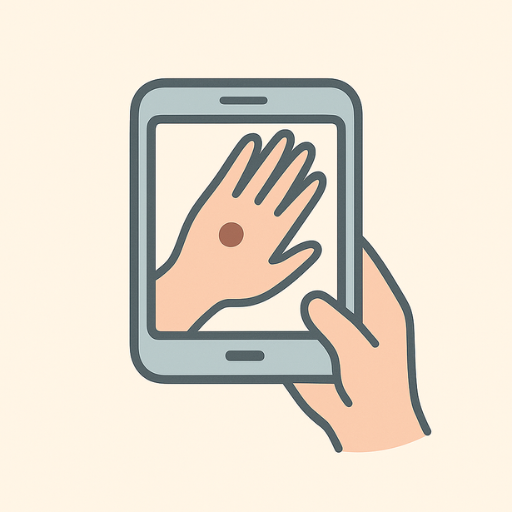
- Photograph rash progression: use your phone to take daily images for comparison.
- List all substances: include prescriptions, over-the-counter drugs, herbal supplements, and topical creams.
Why professional evaluation matters
- Don’t stop critical medications (e.g., heart drugs) without consulting a clinician.
- Some rashes may mimic drug reactions but have other causes (viral, autoimmune).
Clinical workup overview
- Drug history and physical exam: dermatologist or allergist reviews all medications.
- Laboratory tests:
- CBC with differential (checks for elevated eosinophils)
- Liver and kidney function panels (ensure organ health)
- Skin tests:
- Patch testing for delayed hypersensitivity
- Prick or intradermal testing for immediate (Type I) reactions
- Biopsy: small skin sample for histology when rash pattern is unclear.
What to expect after referral
- Allergy consultation: specialist may perform supervised drug challenge.
- Monitoring: test results may take days to weeks.
- Personalized plan: avoidance of confirmed triggers and safe alternatives identified.
Section 4: Detailed Discussion on Medication Rash Treatment
First-line actions
- Discontinue the offending drug under medical supervision.
- Switch to alternative medications based on allergy history and necessity.
- For advanced guidance on managing drug allergy rashes, consult Rash Detector.
Over-the-counter (OTC) options
- First-generation antihistamines for itch relief:
- Diphenhydramine 25–50 mg by mouth every 6 hours (may cause drowsiness).
- Second-generation antihistamines:
- Cetirizine or loratadine once daily for long-lasting relief and fewer side effects.
Prescription treatments
- Topical corticosteroids:
- Hydrocortisone 1–2.5% cream, applied twice daily to affected areas.
- Systemic corticosteroids for moderate-to-severe reactions:
- Prednisone 0.5 mg/kg/day, tapered over 1–2 weeks based on response.
Management of severe reactions
- Hospitalization for Stevens-Johnson syndrome or toxic epidermal necrolysis:
- IV fluids, electrolyte management, specialized wound care.
- Consult burn unit or dermatology intensivist for skin sheet support.
- Consider immunosuppressants (e.g., cyclosporine) in life-threatening cases per specialist advice.
Supportive measures at home
- Cool compresses or oatmeal baths to soothe itching.
- Fragrance-free, hypoallergenic moisturizers and emollients.
- Avoid hot water, irritating fabrics (wool, synthetic), and harsh soaps.
Monitoring and follow-up
- Watch for signs of secondary infection: increased redness, pus, or fever.
- Ensure rash fully resolves before re-challenge with any similar drug.
- Document the reaction in your medical records and update allergy lists.
Section 5: Preventative Measures and Long-Term Management
Pre-treatment assessment
- Ask about personal and family history of drug reactions.
- Consider HLA screening for high-risk medications (e.g., HLA-B*58:01 for allopurinol).
Allergy evaluation before starting new drugs
- Skin tests or graded drug challenges if prior rash suspected.
- Premedication protocols (e.g., antihistamine or corticosteroid pre-treatment) for essential drugs.
Maintain updated medical information
- Keep an accurate, up-to-date medication list at home and carry a medical ID.
- Inform all healthcare providers and pharmacists about known drug allergies.
Patient education
- Monitor for early symptoms during the first 2–6 weeks of new therapy.
- Report any rash, itching, or systemic sign immediately to your provider.
- Understand that prevention and early treatment reduce the risk of severe complications.
In summary, medication-induced rashes arise from hypersensitivity or adverse drug reactions and can range from mild itching and erythema to life-threatening blistering. Recognizing red flags early, documenting timelines, and seeking professional evaluation are critical steps. Effective medication rash treatment includes stopping the culprit drug, using antihistamines and corticosteroids, and applying supportive skin care. Preventative measures—such as allergy testing, HLA screening, and patient education—help reduce future risk. Early identification and timely medication rash treatment prevent progression to severe conditions like Stevens-Johnson syndrome or anaphylaxis. Always maintain open communication with your healthcare team and seek immediate care for any concerning symptoms.
FAQ
When should I stop a medication?
Only under clinician advice if the rash appears suspicious. Never abruptly discontinue essential drugs (heart, seizure, transplant medications).
Can I treat the rash at home?
Mild rashes can be managed with OTC antihistamines and gentle skin care. Seek medical confirmation before assuming a drug is harmless.
What signs require urgent care?
Blistering, peeling, mucosal involvement (mouth, eyes), or facial swelling; breathing difficulty, wheezing, or throat tightness; fever above 38 °C (100.4 °F) or rapidly spreading rash.
Do lifestyle or dietary changes help?
No direct cure, but stay hydrated, moisturize skin, avoid hot showers and harsh detergents, and wear loose cotton clothing to reduce friction.