Medication Rash Treatment: Identify, Understand, and Manage Medication-Induced Rashes
Learn how to identify and manage medication-induced rashes with effective treatment methods. Protect your skin and health with our comprehensive guide.
Estimated reading time: 8 minutes
Key Takeaways
- Prompt action prevents mild rashes from escalating.
- Recognize different types like allergic, irritant, and photosensitive reactions.
- Identify warning signs such as spreading rash, fever, or swelling.
- Treat safely with OTC remedies, prescription options, or emergency care.
- Prevent recurrence by documenting drug history and testing for allergies.
Table of Contents
- Understanding Medication-Induced Rashes
- Identifying a Drug Rash
- When to Seek Professional Help
- Medication Rash Treatment Options
- Prevention and Long-Term Management
- Conclusion
Section 1: Understanding Medication-Induced Rashes (Drug Eruption & Photosensitive Rash)
A medication-induced rash occurs when a drug triggers a skin reaction. These may be immune-mediated, irritant, or photosensitive. Early recognition is key to effective medication rash treatment.
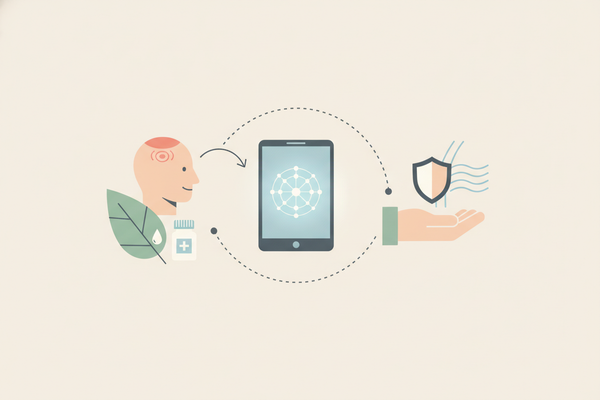
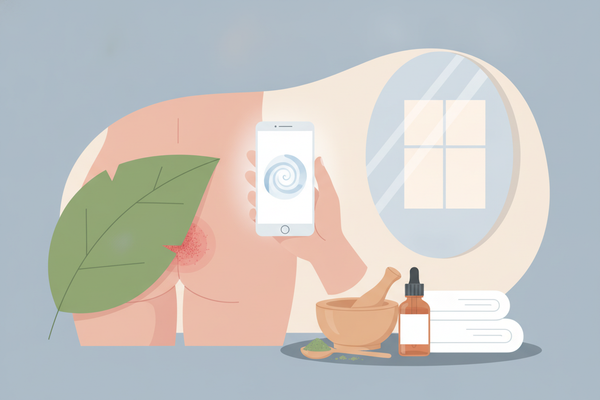
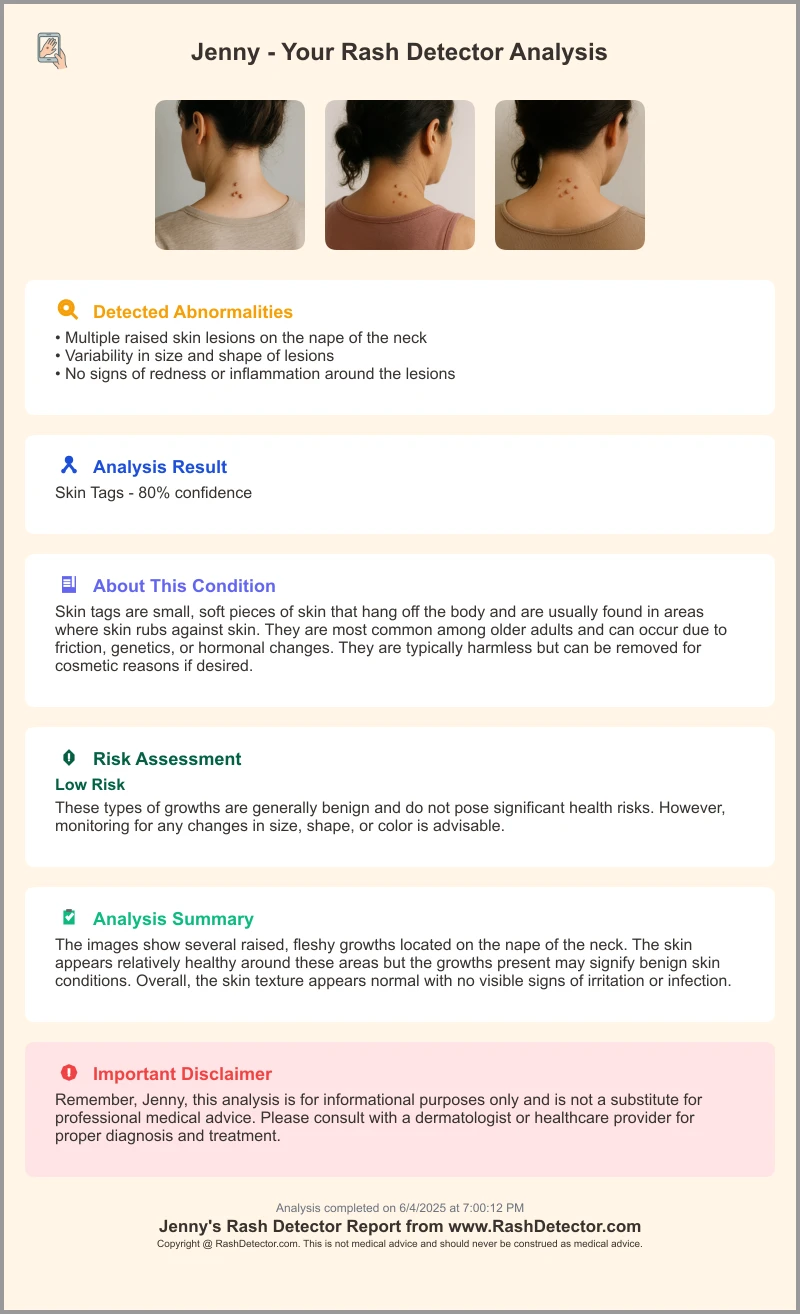
In many cases, an AI-powered Rash Detector can offer a quick preliminary overview:
Mechanisms:
- Allergic (Immune-Mediated): Histamine release causes redness and itching.
- Irritant/Toxic: Direct damage to skin cells, often dose-dependent.
- Photosensitive: Sun-exposed reactions that resemble severe sunburn.
Common Culprits: Antibiotics (penicillins, sulfonamides), anticonvulsants, NSAIDs, allopurinol, psychiatric drugs, chemotherapy agents, and sometimes supplements.
Types of Eruptions: hives, morbilliform rash, fixed drug eruptions, photosensitive rash, and severe reactions like SJS/TEN.
Symptoms to Monitor: redness, itching, blistering, swelling, fever, and mucosal sores.
Source: Johns Hopkins Medicine – Drug Rashes
Section 2: Identifying a Drug Rash (Fixed Drug Eruption)
Not every rash is drug-related. Follow these steps to pinpoint a medication rash:
- Medication History: Any new or increased-dose drugs?
- Timing: Minutes to hours vs. days or weeks.
- Distribution: Sun-exposed versus covered areas.
- Systemic Signs: Fever, fatigue, lymph node swelling.
- Re-Exposure Test: Does the same rash recur on rechallenge?
Timeline:
- Minutes–Hours: hives, anaphylaxis risk.
- 1–3 Days: mild urticaria, morbilliform rash.
- 1–3 Weeks: DRESS, SJS/TEN.
- Fixed Eruptions: rapid-onset upon re-exposure.
Tip: Photograph your rash with a date stamp and keep a medication log.
See Identifying Drug-Induced Rash Symptoms for more.
Section 3: When to Seek Professional Help (Anaphylaxis & Stevens-Johnson Syndrome)
Certain signs demand immediate medical attention:
- Difficulty breathing or swallowing.
- Swelling of face, lips, tongue, or throat.
- Rapid skin blistering or peeling.
- Fever with tender skin, possible SJS/TEN.
Also consult a doctor if a new rash appears on medication or an existing rash worsens after 2–3 days.
Section 4: Medication Rash Treatment Options (OTC Remedies & SCARs)
Effective treatment begins with stopping the offending drug under medical advice:
- Discontinuation/Tapering under physician guidance.
- Mild Cases: cool compresses, oatmeal baths, hypoallergenic moisturizers.
- OTC Meds: antihistamines, hydrocortisone cream, calamine.
- Prescription: stronger topicals or systemic steroids.
- SCARs: ICU or burn unit care, fluid and wound management.
Learn more in our guide on Managing Drug Allergy Rash.
Source: NYU Langone – Drug Reactions & Hives
Section 5: Prevention and Long-Term Management (Drug Allergy Prevention & Patch Testing)
- Document Reactions in your medical record.
- Medical Alert ID listing culprit drugs.
- Avoid Cross-Reactive Medications.
- Gradual Dose Escalation for high-risk therapies.
- Allergy Testing: patch tests or oral challenges.
Maintain gentle skin care, schedule regular check-ups, and monitor labs for late effects.
Conclusion
Early detection and swift medication rash treatment are crucial. Remember to:
- Link rashes to recent drugs.
- Watch for emergency warning signs.
- Discontinue the culprit safely.
- Use self-care, OTC, or prescription options.
- Prevent recurrence through clear history and testing.
FAQ
- How long does a medication rash last after stopping the drug?
- Can I treat a medication rash at home?
- Is every rash from a medication an allergy?
- Will I react to similar medications after a drug rash?
- Should I get allergy testing for the medication that caused my rash?
- What if I must take a medication that caused a mild rash before?
- When should I go straight to the ER?