Medication Rash Treatment: How to Recognize, Treat, and Prevent Drug-Induced Rashes
Learn how to recognize, treat, and prevent medication-induced rashes effectively. This guide covers symptoms, diagnosis, and treatment strategies for safe management.
Estimated reading time: 8 minutes
Key Takeaways
- Medication rashes vary from mild to life-threatening and require prompt recognition.
- Common triggers include antibiotics, NSAIDs, antiseizure drugs, and topical agents.
- Diagnosis involves medication history, physical exam, and sometimes allergy testing or biopsy.
- Treatment ranges from stopping the drug and supportive home care to prescription therapies.
- Prevent future reactions by maintaining a detailed allergy list and monitoring new medications.
Table of Contents
- Understanding Medication-Induced Rashes
- Recognizing Signs and Symptoms
- Diagnosis and Evaluation
- Step-by-Step Treatment Approach
- Managing and Preventing Future Rashes
- Additional Considerations
Understanding Medication-Induced Rashes
Medication-induced rashes, also known as drug eruptions, are adverse skin reactions triggered by prescription or over-the-counter drugs, supplements, or topical agents. They may arise through allergic mechanisms, direct toxicity, or photosensitivity. These rashes typically appear days to weeks after starting or changing a medication dose. Common culprits include antibiotics (penicillins, sulfonamides), NSAIDs (ibuprofen, naproxen), antiseizure medications, blood pressure drugs, diuretics, topical creams, contrast dyes, and herbal supplements. Early identification—using strategies from drug eruption identification—is key to effective medication rash treatment.
For detailed definitions, see MedlinePlus and American Academy of Dermatology.
Recognizing Signs and Symptoms
Timely medication rash treatment hinges on spotting early changes:
- Red or pink patches, itching, or burning.
- Raised bumps (hives), flat blotchy discoloration, or scaly areas.
- Blisters, peeling skin, or swelling of face and lips.
Emergency warning signs include difficulty breathing, throat tightness, fever, large blisters, mucosal involvement, rapid rash spread, dizziness, or confusion. Seek immediate care if any appear.
Learn more at MedlinePlus and Mayo Clinic.
Diagnosis and Evaluation
An accurate diagnosis is vital for targeted medication rash treatment. Clinicians review:
- Complete medication history (prescription, OTC, supplements) and recent changes.
- Personal allergy history and rash timeline.
- Physical exam, allergy testing (skin prick, patch), biopsy, blood tests, and specialist referral.
Never stop medications without professional guidance. Consult AAAI for more on drug allergy evaluation.
Step-by-Step Treatment Approach
- Stop and assess: Note medication start date, rash onset, progression, and systemic symptoms.
- Seek emergency care for severe reactions (see previous section).
- Supportive home care: cool compresses, fragrance-free emollients, oatmeal baths, loose cotton clothing, and avoid harsh soaps.
- OTC remedies (after approval): oral antihistamines, low-potency topical corticosteroids, calamine lotion, and acetaminophen. See OTC anti-itch options.
- Prescription treatments: high-potency corticosteroids, systemic antihistamines, antibiotics for secondary infection, and immunomodulatory therapy for SJS/TEN.
- Avoid re-exposure until cleared by a clinician.
Managing and Preventing Future Rashes
- Maintain an updated medication and allergy list.
- Inform every provider of past rash reactions.
- Monitor new drugs closely for the first 2–4 weeks.
- Keep a medication diary with dates, doses, symptoms, and photos.
- Use medical alert jewelry or smartphone health profiles for severe allergies.
For comprehensive management strategies, visit drug allergy rash management.
Additional Considerations
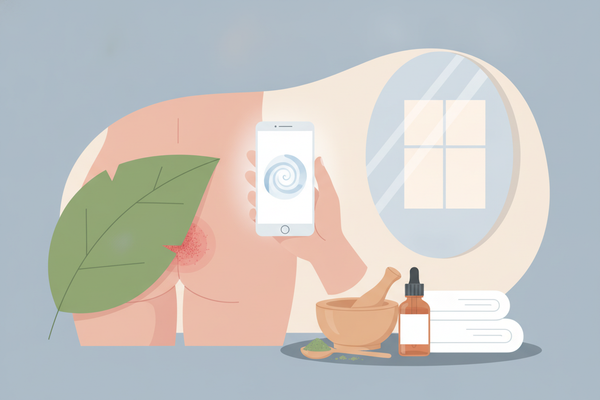
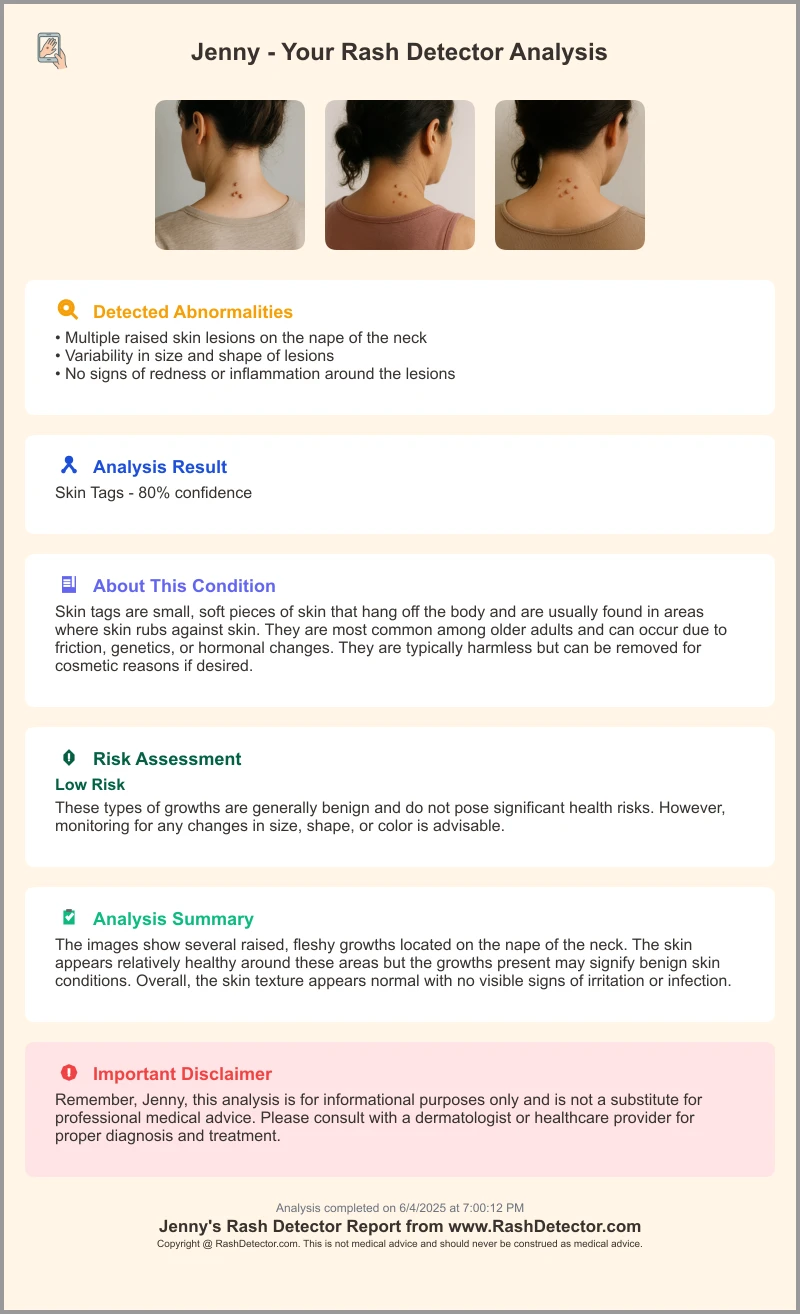
For a quick initial assessment of a suspicious rash, try the Rash Detector Skin Analysis App:
FAQ
How long do medication rashes last?
Mild rashes usually resolve in 7–14 days after stopping the drug; severe reactions may take weeks to clear.
Can I continue my medication if I have a rash?
Consult your provider. Some medications require supervised tapering, while others need abrupt cessation.
Is every rash an allergy?
No. Non-allergic mechanisms like photosensitivity can also cause rashes.
When is it safe to retry a medication?
Only after specialist evaluation—graded challenges or alternatives may be recommended.
Should I take photos of my rash?
Yes. Close-up and wide-angle images help track progression and aid diagnosis.