Medication Rash Treatment: A Complete Guide to Identifying, Managing, and Preventing Drug-Induced Rashes
Learn about medication rash treatment with our guide on identifying, managing, and preventing drug-induced rashes. Includes actionable tips and steps.
Estimated reading time: 8 minutes
Key Takeaways
- Medication-induced rashes often appear days to weeks after starting or changing a drug dose.
- Early identification of rash type and timing clues is crucial for safe management.
- Discontinue the offending drug under medical supervision and tailor treatment to severity.
- Preventive measures include clear communication, updated medication lists, and alert tools.
Table of Contents
- 1. Understanding Medication-Induced Rashes
- 2. Identifying the Rash
- 3. Diagnosis and Medical Consultation
- 4. Treatment Options
- 5. Preventive Measures
- 6. Conclusion and Final Guidance
- 7. Additional Resources
- 8. FAQ
1. Understanding Medication-Induced Rashes
A medication-induced rash is a skin eruption caused by a drug reaction, not by infection or simple irritation. Treating these rashes starts with accurate identification and prompt management.
Key differences from other rashes
- Timing: Appear days after starting or increasing a drug dose.
- Distribution: Widespread, symmetrical blotches or small bumps.
- Itching: Intense itching or burning correlating with medication changes.
Common triggers
- Antibiotics (penicillins, sulfonamides)
- Anticonvulsants (phenytoin, carbamazepine)
- Over-the-counter products (NSAIDs, pain relievers)
- Herbal supplements and topicals
Risk factors
- New medications or dose adjustments
- Polypharmacy (multiple drugs)
- History of drug allergies
- Long-term meds can provoke sudden reactions
Real-world example: A 45-year-old patient developed itchy red blotches three days after starting amoxicillin. Recognizing the timing led to quick drug discontinuation and rash resolution under antihistamine therapy.
2. Identifying the Rash
Early identification guides safe care. Look for mild signs, severe features, timing clues, and urgent warning signals.
Mild symptoms and appearance
- Itching, redness, small bumps (hives)
- Flat, red blotches that may merge (morbilliform)
- Slight swelling without pain
Severe signs
- Skin pain, blistering, or pustules
- Purple discoloration or target lesions (Stevens-Johnson syndrome)
- Facial swelling, high fever, mucosal sores
Timing clues
- Onset within 1–2 weeks of new drug vs. delayed after 4–6 weeks
- Improvement days after stopping the drug
Urgent warning signs
- Difficulty breathing or swallowing
- Fainting or dizziness
- Rapid spread of blisters or peeling
- High fever or signs of infection
Symptom diary: Keep a log with dates, photos, drug lists, and notes. This diary speeds up medical evaluation. For guidance, see How to Track Rash Progress Pictures.
3. Diagnosis and Medical Consultation
Professional evaluation ensures accurate diagnosis and safe management.
Diagnostic steps
- Full medication review: prescription, OTC, supplements.
- Allergy history: past reactions, atopy, family history.
- Temporary discontinuation of nonessential drugs.
- Substitution with a chemically unrelated drug.
- Specialized testing:
- Patch testing for delayed hypersensitivity
- Skin biopsy for unclear eruptions
- Immunologic assays for severe cases
- Referral criteria:
- Organ involvement (eyes, liver, kidneys, lungs)
- Extensive skin detachment (>30% body surface)
For more on drug-related eruptions, see Identifying Drug-Induced Rash Symptoms and Managing Drug Allergy Rash.
Expert tip: Refer to dermatology for Stevens-Johnson syndrome or toxic epidermal necrolysis to manage systemic complications.
4. Treatment Options
Core principle: discontinue the offending drug under medical supervision and tailor treatment to severity.
Mild reaction management
- Oral antihistamines (cetirizine, diphenhydramine)
- Topical corticosteroids (1% hydrocortisone)
- Supportive care:
- Cool compresses
- Fragrance-free moisturizers
Moderate to severe reactions
- Short-course oral corticosteroids (prednisone with taper)
- Systemic immunomodulators (methotrexate, cyclosporine)
- Biologics (e.g., dupilumab) for certain eruptions
Critical cases
- Hospitalization for IV corticosteroids or IVIG
- Fluid and electrolyte management
- Burn-unit–style wound care
Home symptom relief
- OTC anti-itch lotions (calamine, pramoxine)
- Loose cotton clothing
- Lukewarm oatmeal baths
Warning: Never restart a suspected medication without clinician approval.
5. Preventive Measures
Prevent future drug rashes through clear communication, careful documentation, and alert tools.
- Report all past drug rashes to every healthcare provider and pharmacist
- Maintain an up-to-date medication list
- Read drug labels and leaflets before starting new products
- Ask about alternatives if you’ve had prior reactions
- Take medications exactly as prescribed
- Monitor skin daily when starting or changing a drug
Safety tip: For severe allergies, wear a medical alert bracelet stating the offending drug and reaction type.
6. Conclusion and Final Guidance
Recap key steps in medication rash treatment:
- Recognize rash symptoms and timing clues
- Seek professional evaluation
- Discontinue the offending drug under guidance
- Tailor treatment from antihistamines to hospitalization as needed
- Implement preventive strategies and maintain clear records
Trust professional advice for any suspected medication rash. Bookmark this guide, share with loved ones, and keep your skin safe. Always carry an updated medication list and alert tools.
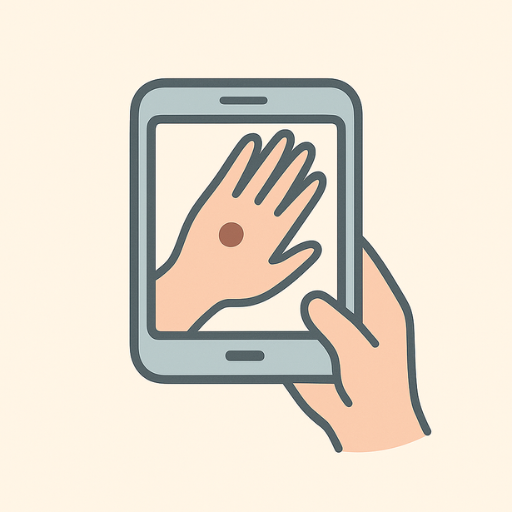
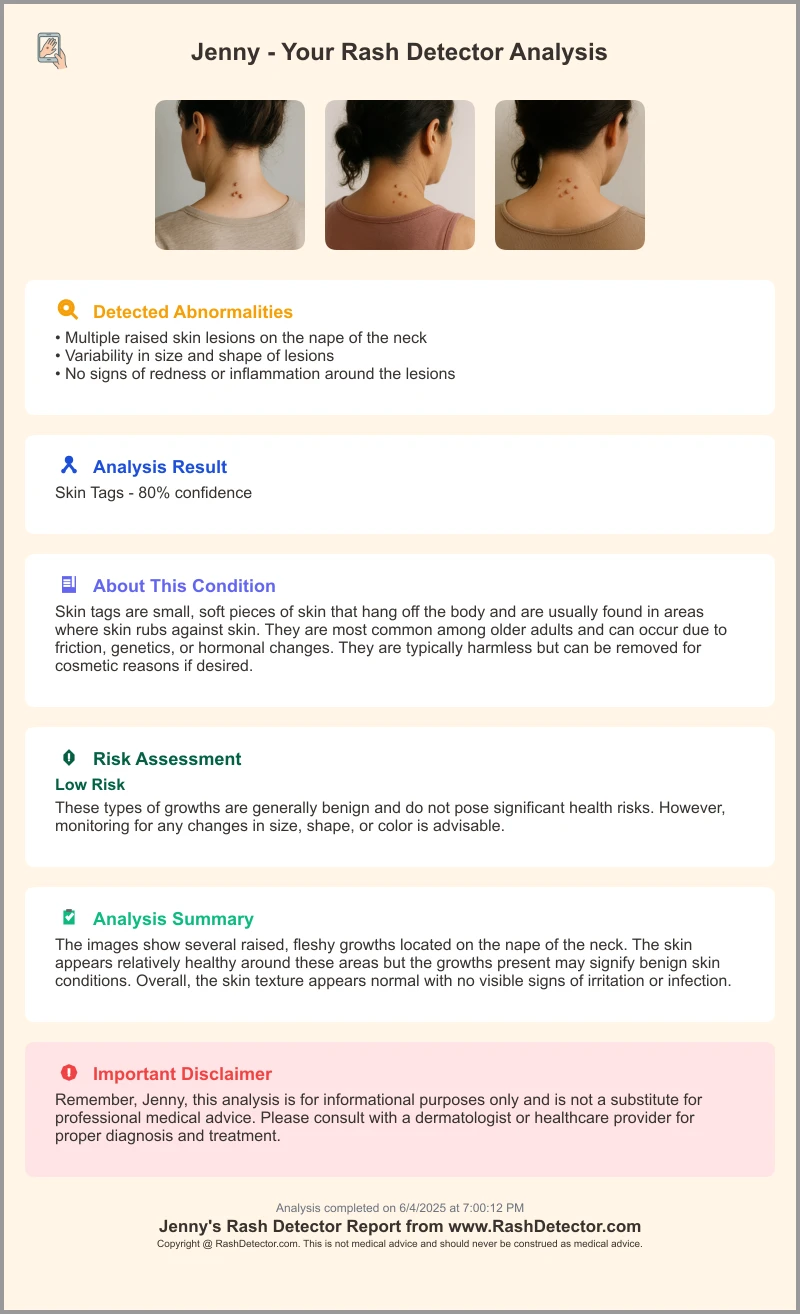
If you’re looking for an AI-assisted second opinion, try Rash Detector. Here’s a sample report to see how it works:
7. Additional Resources
- Merck Manual Consumer Version – Drug rashes overview
- Johns Hopkins Medicine – Drug rash practical guidance
- Harvard Health Blog – When a drug rash is more than just a rash
- Identifying and Managing Drug-Induced Rash Symptoms
- Managing Drug Allergy Rash: A Comprehensive Guide
- How to Track Rash Progress Pictures: A Step-by-Step Guide
FAQ
What is a medication rash?
A medication rash is a skin reaction triggered by a drug, characterized by redness, itching, blisters, or peeling. It is an immune response, not an infection.
How soon can a drug rash appear?
Rashes may appear within 1–2 weeks of starting a new drug or dose change, though some delayed reactions occur after 4–6 weeks.
When should I seek medical attention?
Consult a healthcare provider if you experience severe itching, blistering, facial swelling, fever, difficulty breathing, or rapid skin peeling.
Can medication rashes be prevented?
Yes. Maintain an accurate medication list, report past reactions, read labels carefully, and monitor your skin when beginning or changing treatments.
Are over-the-counter treatments effective?
For mild reactions, OTC antihistamines and anti-itch lotions can provide relief; however, always consult a clinician before resuming or changing any medication.