Medication Rash Treatment: Safe Identification and Management
Learn safe identification and management of medication-induced rashes with our expert guide. Discover treatment options for various rash severities.
Estimated reading time: 8 minutes
Key Takeaways
- Early recognition of medication-induced rashes can prevent complications.
- Discontinuation guidance under medical supervision is crucial before stopping any drug.
- Mild reactions often resolve with antihistamines and topical steroids.
- Severe reactions, like SJS/TEN, require urgent hospital care.
- Documentation and prevention strategies reduce the risk of future episodes.
Table of Contents
- Understanding Medication-Induced Rashes
- Identifying a Medication-Induced Rash
- Medication Rash Treatment Options
- When to Seek Professional Help
- Preventing Future Medication Rashes
- Conclusion & Additional Resources
- FAQ
Understanding Medication-Induced Rashes
Medication-induced rashes are skin reactions—immune or non-immune—to drugs. They range from mild itching to life-threatening conditions like Stevens-Johnson syndrome (SJS) or toxic epidermal necrolysis (TEN). Prompt treatment is essential to avoid serious complications.
What Are Drug Rashes?
Drug rashes occur when the body reacts to a medication. Some represent true allergic responses, while others arise through non-immune mechanisms. For detailed symptom descriptions, see Identifying Drug-Induced Rash Symptoms.
Pathophysiology of Hypersensitivity
- Type I (IgE-mediated): hives, anaphylaxis
- Type II (antibody-mediated): cell destruction
- Type III (immune complex): serum sickness
- Type IV (T-cell–mediated): contact-like dermatitis
Differentiating from Other Skin Issues
- Contact dermatitis: local rash from direct contact
- Viral exanthems: rashes with cold-like symptoms
- Irritant reactions: redness from chemicals or soaps
Common Drug Triggers
- Antibiotics: penicillins, cephalosporins, sulfonamides
- Anticonvulsants: phenytoin, carbamazepine
- NSAIDs: ibuprofen, naproxen
- Allopurinol for gout
Risk Factors
- Older adults (age >65)
- HIV infection or lupus (SLE)
- History of drug reactions or polypharmacy
- Liver or kidney dysfunction
Identifying a Medication-Induced Rash
Typical Signs and Symptoms
- Maculopapular eruptions: flat red patches with bumps
- Pruritus: widespread itching
- Urticaria (hives): raised, itchy welts
- Angioedema: swelling of lips, eyes, face
- Blisters or mucosal ulcers in mouth, eyes, genitals
- Systemic features: fever, joint aches, swollen lymph nodes
Onset and Timeline
- First exposure: rash appears 1–14 days after starting a new drug
- Re-exposure: rash may appear within hours to days
Self-Monitoring Tips
- Keep a medication diary with names, dates, and doses
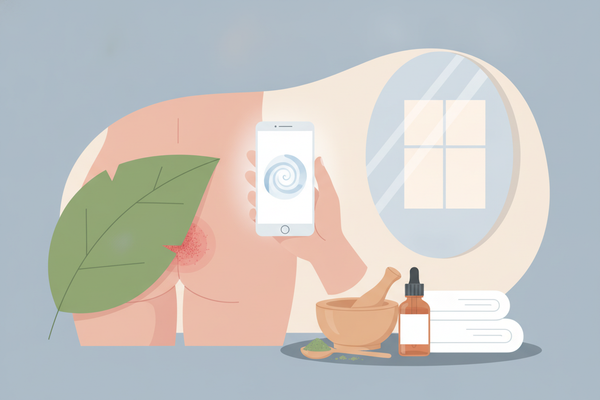
- Photograph the rash daily to track changes
- Log accompanying symptoms (fever, shortness of breath)
Track changes with tools like Track Rash Progress Pictures.
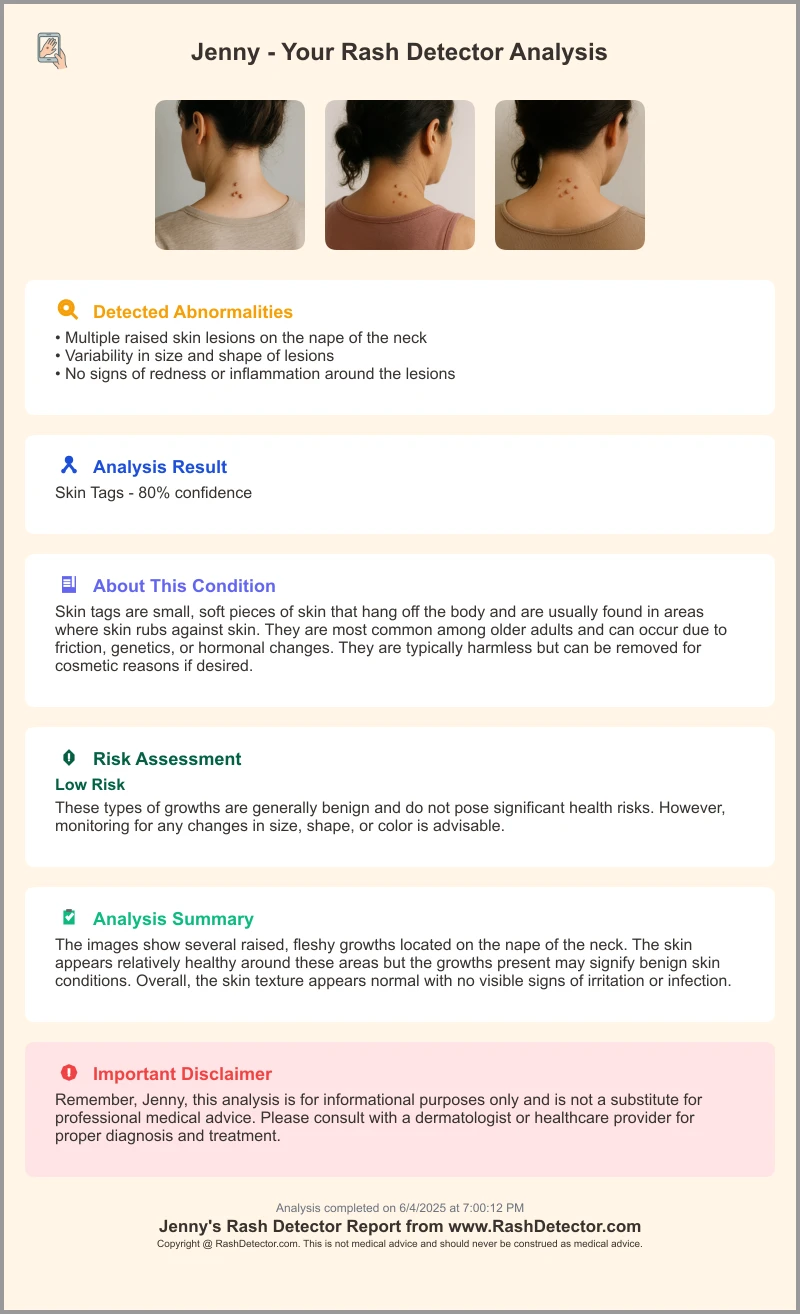
Upload photos to Rash Detector for an AI-generated sample report.
Red Flags vs. Benign Features
- Benign: mild itching, localized redness, no fever
- Red flags: blistering, rapid spread, lip/mouth ulcers, high fever
Medication Rash Treatment Options
First Step—Stop the Suspected Drug
- Consult your prescriber before stopping any critical medication.
- Early discontinuation under guidance prevents progression.
Mild Reactions—Home Care
- Oral antihistamines for pruritus:
- Cetirizine 10 mg once daily
- Diphenhydramine 25–50 mg every 6 hours
- Topical corticosteroids: Hydrocortisone 1% applied twice daily
- Soothing measures:
- Cool compresses
- Oatmeal baths
Moderate Reactions—Prescription Therapy
- Systemic corticosteroids: Prednisone 0.5–1 mg/kg/day for 5–7 days, then taper
- Avoid NSAIDs if they are the suspected cause
- Use acetaminophen for fever when needed
Severe Reactions—Urgent or Hospital Care
- Anaphylaxis: epinephrine IM 0.3–0.5 mg immediately
- SJS/TEN management:
- Hospital admission, wound care, IV fluids
- Consider IVIG or cyclosporine
- Specialist referral for allergy testing or desensitization
Recovery Timeline
- Improvement within days of stopping the drug
- Full clearance may take 1–2 weeks
- Post-inflammatory hyperpigmentation can last longer
When to Seek Professional Help
Urgent Warning Signs
- Difficulty breathing, wheezing, throat swelling
- Rapidly spreading rash, target lesions, blistering
- High fever (>38.5°C), low blood pressure, joint pain
- SJS/TEN signs: skin peeling on >10% body surface, positive Nikolsky’s sign
Action Steps
- Call emergency services or head to the nearest ER for anaphylaxis or SJS/TEN
- Bring a list of all medications taken in the past 14 days
- Show photos of the rash and your medication diary
- Do not self-administer epinephrine unless previously prescribed
Communication Tips
- Provide a clear timeline: rash onset, drug start dates, symptom progression
- Share known allergies and prior drug reactions
Preventing Future Medication Rashes
Documentation & Patient Advocacy
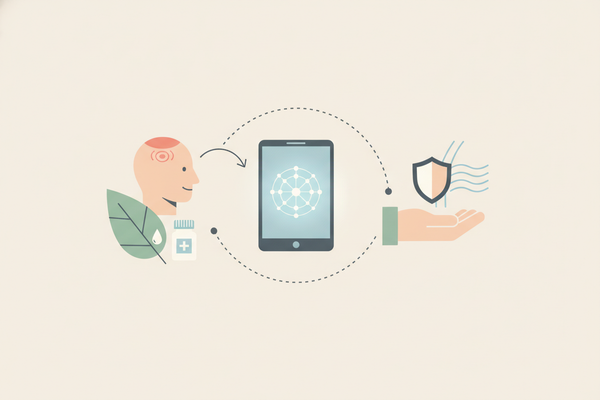
- Keep an updated allergy alert card or digital record listing culprit drugs and reactions
- Wear medical ID jewelry if you have a history of anaphylaxis or severe rashes
Pre-Treatment Strategies
- Penicillin allergy testing under allergist supervision
- Choose alternatives with low cross-reactivity (e.g., azithromycin instead of sulfa drugs)
- Desensitization protocols for essential medications in a controlled setting
Explore more in Managing Drug Allergy Rash.
Monitoring Guidelines
- Schedule follow-up visits or telehealth check-ins 1–2 weeks after starting a new drug
- Educate family members or caregivers to watch for early rash signs
Conclusion & Additional Resources
Key Takeaways
- Early recognition and documentation are vital for safe treatment.
- Mild cases: stop the drug under medical advice plus antihistamines/topical steroids.
- Severe reactions: seek urgent care—never wait.
- Never discontinue life-sustaining drugs without talking to your provider.
When to Call a Doctor—Quick Checklist
- Breathing problems or throat swelling
- Rapid rash spread, blisters, mouth ulcers
- High fever or signs of SJS/TEN
- Feeling faint or dizzy
Further Reading
- IU Health: Drug Rashes
- Merck Manuals: Drug Rashes
- Johns Hopkins Medicine: Drug Rashes
- Harvard Health Blog: When Is a Drug Rash More Than Just a Rash?
FAQ
How soon after starting a medication can a rash appear?
Rashes typically develop within 1–14 days of first exposure, but on re-exposure they may appear within hours.
Can I treat a drug rash at home?
Mild reactions often respond to oral antihistamines and topical steroids, alongside soothing measures like cool compresses.
When is a rash considered severe?
Seek urgent care if you experience blistering, rapid spread, mucosal ulcers, high fever or any anaphylaxis signs.
Should I stop my medication if I notice a rash?
Always consult your prescriber before discontinuing any medication, especially life-sustaining drugs.
How can I prevent future drug rashes?
Maintain accurate records of drug reactions, carry an allergy alert card, and undergo allergy testing or desensitization if needed.