Anti-Inflammatory Diet for Skin Rashes: Soothe Eczema Naturally
Discover how an anti-inflammatory diet for skin rashes can help soothe eczema by reducing flare-ups, redness, and itching through healthy food choices.

Estimated reading time: 8 minutes
Key Takeaways
- Inflammation drives eczema: Calming immune pathways can reduce flare-ups.
- Dietary impact: Certain nutrients modulate NF-κB, cytokines and oxidative stress.
- Gut-skin axis: Fiber and probiotics support barrier integrity and lower systemic inflammation.
- Key foods: Berries, leafy greens, fatty fish, whole grains, nuts, seeds, olive oil and spices.
- Triggers to avoid: Refined sugars, trans fats, processed meats and common allergens.
- Lifestyle synergy: Hydration, stress management, sleep and sun protection amplify benefits.
Table of Contents
- 1. Understanding the Connection Between Inflammation and Skin Rashes
- 2. Role of Diet in Managing Skin Inflammation
- 3. Key Components of an Anti-Inflammatory Diet for Skin Rashes
- 4. Foods to Avoid (Inflammatory Triggers)
- 5. Practical Dietary Strategies & Lifestyle Tips
- 6. Scientific & Research Backing
- 7. Single-Paragraph Reference to Rash Detector
- 8. Internal Resources & Further Reading
- 9. Conclusion
- 10. FAQ
1. Understanding the Connection Between Inflammation and Skin Rashes
Inflammation is the body’s immune response characterized by redness, heat, swelling and itchiness when immune cells target perceived threats. In eczema (atopic dermatitis), this response becomes chronic:
- Inflammatory mediators:
- Pro-inflammatory cytokines (TNF-α, IL-6) and oxidative stress
- Activation of the NF-κB pathway in skin cells
- Eczema (Atopic Dermatitis):
- Chronic condition with dry patches, itching and redness
- Barrier dysfunction allows allergens and microbes to penetrate
Diet influences these mechanisms: pro-inflammatory foods elevate cytokine levels, while anti-inflammatory nutrients suppress NF-κB activity and neutralize free radicals. Food sensitivities—common in eggs, dairy and nuts—can provoke immune-mediated reactions, worsening rashes.
Sources: Medical News Today, Bioderma
2. Role of Diet in Managing Skin Inflammation
Your plate can be the first line of defense against eczema. Here’s how key nutrients modulate inflammation:
Pro-inflammatory vs. Anti-inflammatory Nutrients
- Omega-6 Fats, Refined Carbs & Trans Fats:
- Spike insulin and promote IL-1, IL-6
- Activate NF-κB signaling, increasing redness and swelling
- Omega-3 Fatty Acids & Antioxidants:
- Inhibit pro-inflammatory eicosanoids (leukotrienes, prostaglandins)
- Reduce TNF-α and IL-8 expression in skin cells
Mechanisms of Action
- NF-κB Modulation: Omega-3s and polyphenols block NF-κB translocation, cutting cytokine production.
- Cytokine Reduction: Curcumin (turmeric) and gingerols down-regulate IL-6 and TNF-α, lessening itch and redness.
- Antioxidant Scavenging: Vitamins C and E neutralize free radicals, preventing oxidative damage to skin lipids.
Gut-Skin Axis
Fiber-rich foods feed beneficial gut bacteria, boosting short-chain fatty acids (SCFAs) like butyrate. SCFAs strengthen the gut lining, reduce leakiness and indirectly calm skin immunity. A balanced microbiome lowers systemic inflammation and improves eczema outcomes.
Source: Medical News Today
3. Key Components of an Anti-Inflammatory Diet for Skin Rashes
This section breaks down the must-have foods and nutrients to soothe eczema flare-ups.
Fruits & Vegetables
High in antioxidants (vitamins C, E, polyphenols) and phytochemicals that neutralize free radicals.
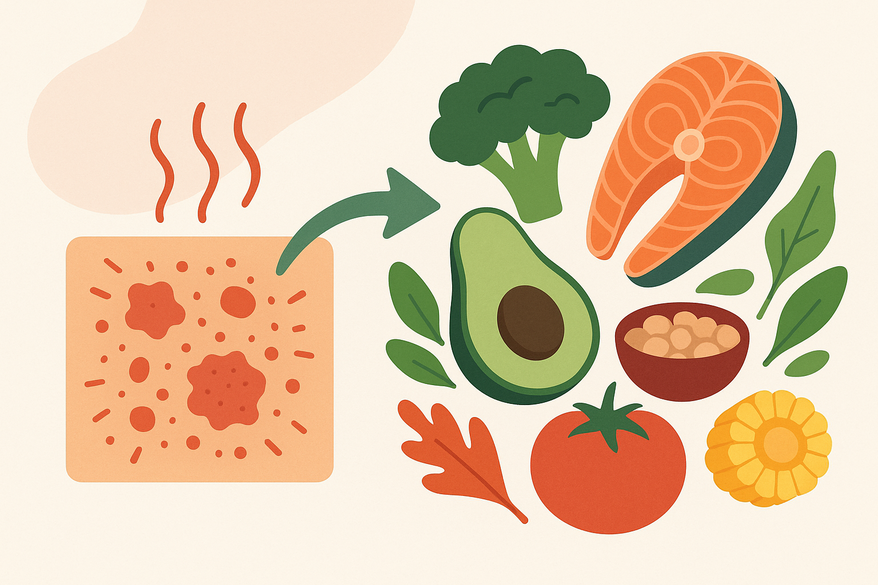
- Examples: Berries (blueberries, raspberries), leafy greens (kale, spinach), tomatoes
- Benefits: Lower oxidative stress; support collagen formation for barrier repair
Omega-3 Fatty Acids
- Sources: Fatty fish (salmon, sardines), chia seeds, flaxseed, walnuts
- Benefits: Reduce TNF-α and IL-1β; improve skin hydration and elasticity
Whole Grains & Fiber
- Examples: Quinoa, brown rice, oats
- Benefits: Feed SCFA-producing bacteria; stabilize blood sugar
Nuts, Legumes & Seeds
- Examples: Almonds, walnuts, lentils, chickpeas
- Micronutrients: Selenium, magnesium, zinc for immune balance
- Benefits: Provide sustained energy and anti-inflammatory minerals
Healthy Oils & Spices
- Olive Oil & Avocado Oil: Monounsaturated fats and polyphenols inhibit NF-κB
- Turmeric & Ginger: Curcumin and gingerols lower IL-6 and TNF-α
Antioxidants & Vitamins
Vitamin E (nuts, seeds, spinach); Vitamin C (bell peppers, citrus fruits); Selenium (brazil nuts, seafood); Polyphenols (green tea, dark chocolate).
Practical Meal Examples
- Breakfast: Oatmeal with berries, chia seeds and walnuts
- Lunch: Spinach-tomato lentil salad with olive oil vinaigrette
- Dinner: Grilled salmon, quinoa and steamed broccoli
- Snacks: Fresh apple slices or raw almonds
4. Foods to Avoid (Inflammatory Triggers)
Eliminating these items can lower systemic inflammation and reduce eczema severity.
- Refined Sugars & Grains: Pastries, sweetened drinks, white bread spike insulin and cytokines.
- Ultra-Processed & Trans Fats: Margarine, fast food and snacks raise CRP levels.
- Red & Processed Meats: Heme iron and saturated fat linked to elevated IL-6.
- Dairy (for Sensitive Individuals): Casein and whey may trigger eczema in intolerant people.
- Common Allergens: Eggs, soy, wheat, peanuts, tree nuts, fish and shellfish; identify personal triggers.
5. Practical Dietary Strategies & Lifestyle Tips
Implementing an anti-inflammatory diet for skin rashes requires planning, consistency and complementary habits.
Sample 1-Week Meal Plan
| Day | Breakfast | Lunch | Snack | Dinner |
|---|---|---|---|---|
| Mon | Overnight oats with berries | Quinoa-chickpea bowl | Apple + almond butter | Baked salmon, sweet potato |
| Tue | Green smoothie with spinach | Grilled turkey salad | Carrot sticks + hummus | Stir-fry tofu + brown rice |
| Wed | Chia pudding with mango | Lentil soup + whole-grain bread | Handful walnuts | Grilled sardines + zucchini |
| Thu | Scrambled eggs + avocado | Kale-tomato salad | Greek yogurt (dairy-free)* | Quinoa bowl + roasted veggies |
| Fri | Buckwheat pancakes + berries | Sardine sandwich on rye | Pear slices | Salmon sushi bowl |
| Sat | Fruit smoothie bowl | Veggie burger on whole grain bun | Trail mix | Stir-fried shrimp + quinoa |
| Sun | Oatmeal + flaxseed | Chicken + spinach wrap | Mixed berries | Grilled fish + broccoli |
*Dairy-free for sensitive individuals.
Grocery Shopping Tips
- Choose fresh, seasonal produce
- Buy whole grains in bulk (quinoa, oats, brown rice)
- Select cold-pressed oils (extra virgin olive oil, avocado oil)
- Purchase raw, unsalted nuts and seeds
Meal-Prep Tips
- Batch-cook grains and legumes on weekends
- Pre-wash and chop vegetables for grab-and-go snacks
- Make spice blends with turmeric, ginger and garlic powder
- Prepare dressings in mason jars for easy use
Complementary Lifestyle Practices
- Hydration: Aim for eight 8-ounce glasses of water per day.
- Stress Management: Meditation, yoga and deep-breathing exercises
- Sleep Hygiene: 7–9 hours per night to regulate cortisol and immune function
- Sun Protection: Broad-spectrum SPF 30+ to maintain skin barrier integrity
6. Scientific & Research Backing
Evidence supports plant-rich, Mediterranean-style patterns for eczema relief:
- Reduced Severity: Diets high in fruits, vegetables, whole grains and healthy fats correlate with fewer and milder flare-ups.
- Expert Consensus: No dietary cure exists, but anti-inflammatory foods can mitigate symptoms and decrease topical steroid use.
- Personalized Needs: Individual responses vary; elimination diets and sensitivity testing help identify triggers.
Sources: Healthline, Cleveland Clinic
7. Single-Paragraph Reference to Rash Detector
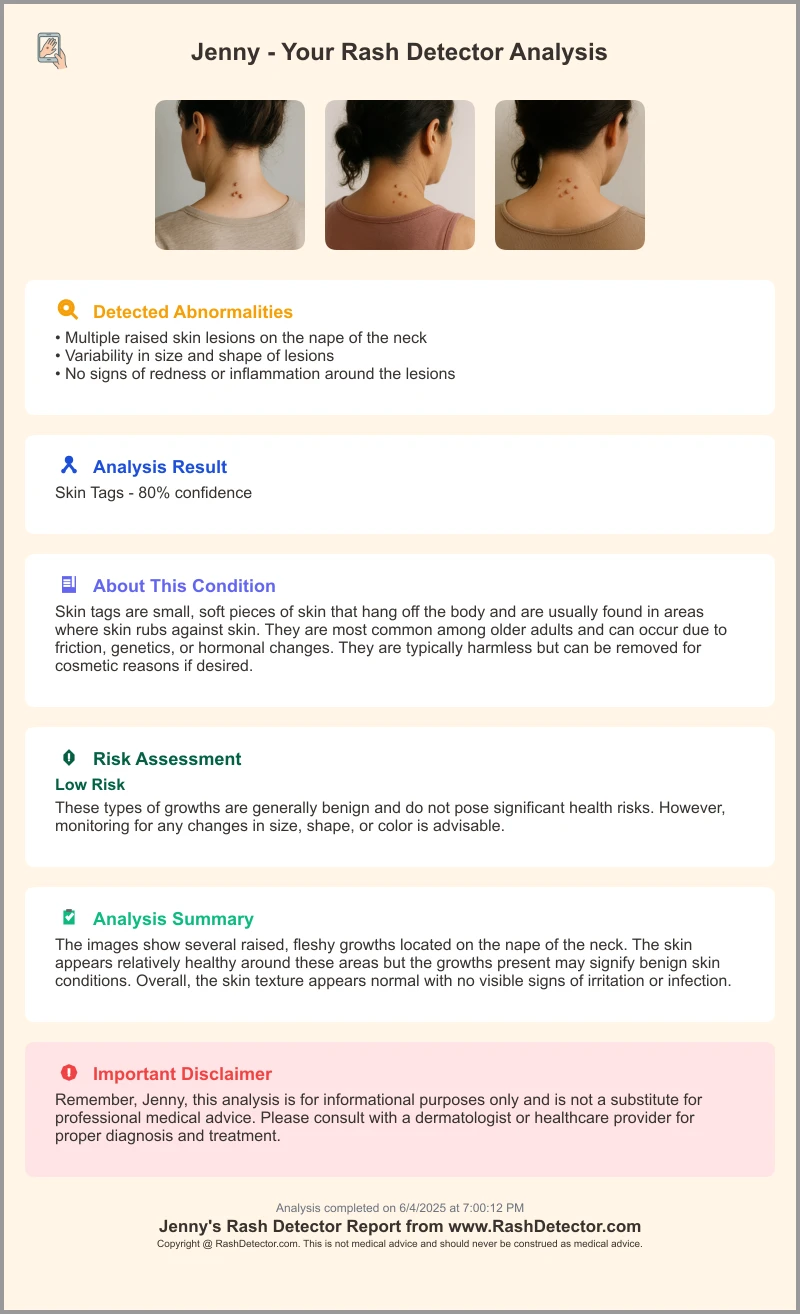
For a quick check on flare-up severity or to identify potential food-related triggers, try the Rash Detector Skin Analysis App. It uses AI to analyze images and deliver an instant sample report that can help you track improvements as you stick to your anti-inflammatory diet.
8. Internal Resources & Further Reading
- Learn more in Diet for Eczema Relief: How to Soothe Your Skin with Anti-Inflammatory Foods.
- Discover proven foods in Foods That Reduce Skin Inflammation: An Evidence-Based Guide for Eczema.
9. Conclusion
An anti-inflammatory diet for skin rashes can be a powerful tool in calming eczema flare-ups, reducing redness and itching, and fortifying the skin’s barrier. By focusing on nutrient-dense fruits, vegetables, whole grains, healthy fats and antioxidants—while limiting refined sugars, trans fats and common allergens—you address inflammation at its source. Pair dietary changes with hydration, stress management, quality sleep and sun protection for a holistic approach. Always consult a dermatologist or registered dietitian to design a plan tailored to your triggers and nutritional needs. Take control of your skin health—start your anti-inflammatory diet for skin rashes today.
10. FAQ
- What is an anti-inflammatory diet?
An anti-inflammatory diet emphasizes foods rich in omega-3s, antioxidants and fiber—such as berries, leafy greens, fatty fish and whole grains—while minimizing refined sugars, trans fats and common allergens. - How soon can I expect improvement?
Many people notice reduced itching and redness within 2–4 weeks of consistent dietary changes, though individual responses vary. - Can this diet replace my eczema medications?
Dietary changes complement but do not replace prescribed treatments; always follow your healthcare provider’s recommendations. - Is the anti-inflammatory diet safe for children?
Yes, with guidance from a pediatrician or registered dietitian to ensure balanced nutrition and accommodate allergies.